
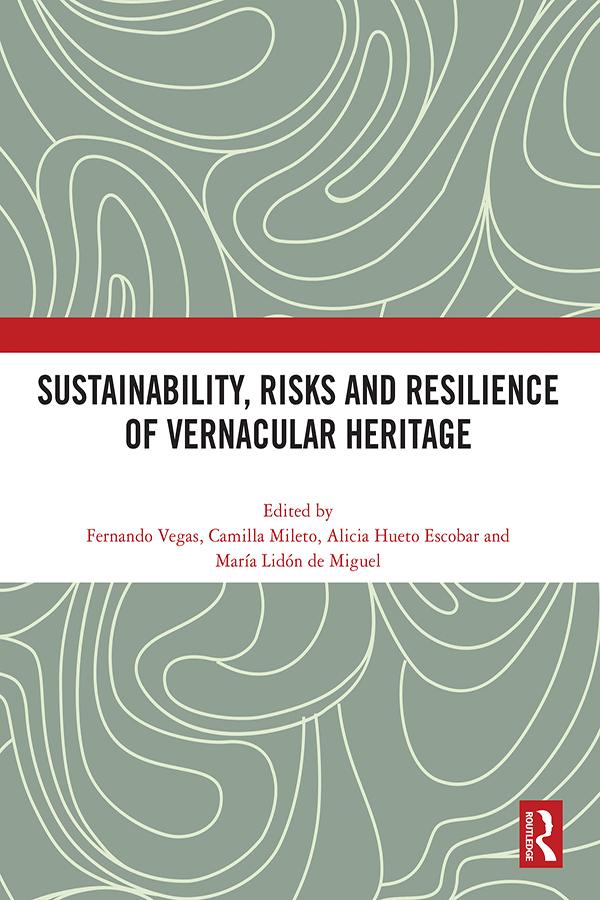
This book offers a variety of analyses, methodologies, and reflections on the behaviour of vernacular architecture in the face of natural hazards, with an emphasis on the strategies that can be used to cope with them.
The different examples of vernacular architecture studied in this book highlight the cultural wealth of this type of heritage, which has not only adapted to locally available resources and the needs of individual populations but has also successfully responded to the natural risks it encountered. As regards the types of risks analysed, the chapters focus on the impact of natural events on this type of heritage, proposing different methodologies for the analysis of vulnerability and any possible damage caused.
In general, the contributions included offer an interesting analysis of the behaviour of vernacular architecture in the face of natural hazards and the different scales or approaches that can be employed to cope with them. This book will be of particular interest to specialists and those interested in the fields of architecture, history, structures and risk management. It was originally published as a special issue of the International Journal of Architectural Heritage.
Maksa helposti kortilla, Klarnalla, Apple Paylla tai Google Paylla. Etkö ole tyytyväinen? Sinulla on aina 14 päivän palautusoikeus. Lue lisää ehdoistamme. Jos sinulla on kysyttävää, lähetä meille sähköpostia osoitteeseen hello@memmo.org.
Memmo tekee opiskelusta helpompaa – missä päin maailmaa ikinä oletkin. Meillä yhdistät kurssikirjat ja fiksut opiskelutyökalut yhteen paikkaan: tiivistelmät, visat, podcastit ja muistikortit. Ja sitten Ted, opiskelukaverisi, joka vastaa kaikkeen, mitä ikinä mietitkin. Yli 50 000 opiskelijaa opiskelee jo täällä – rakennettu auttamaan sinua oppimaan nopeammin ja stressaamaan vähemmän.