
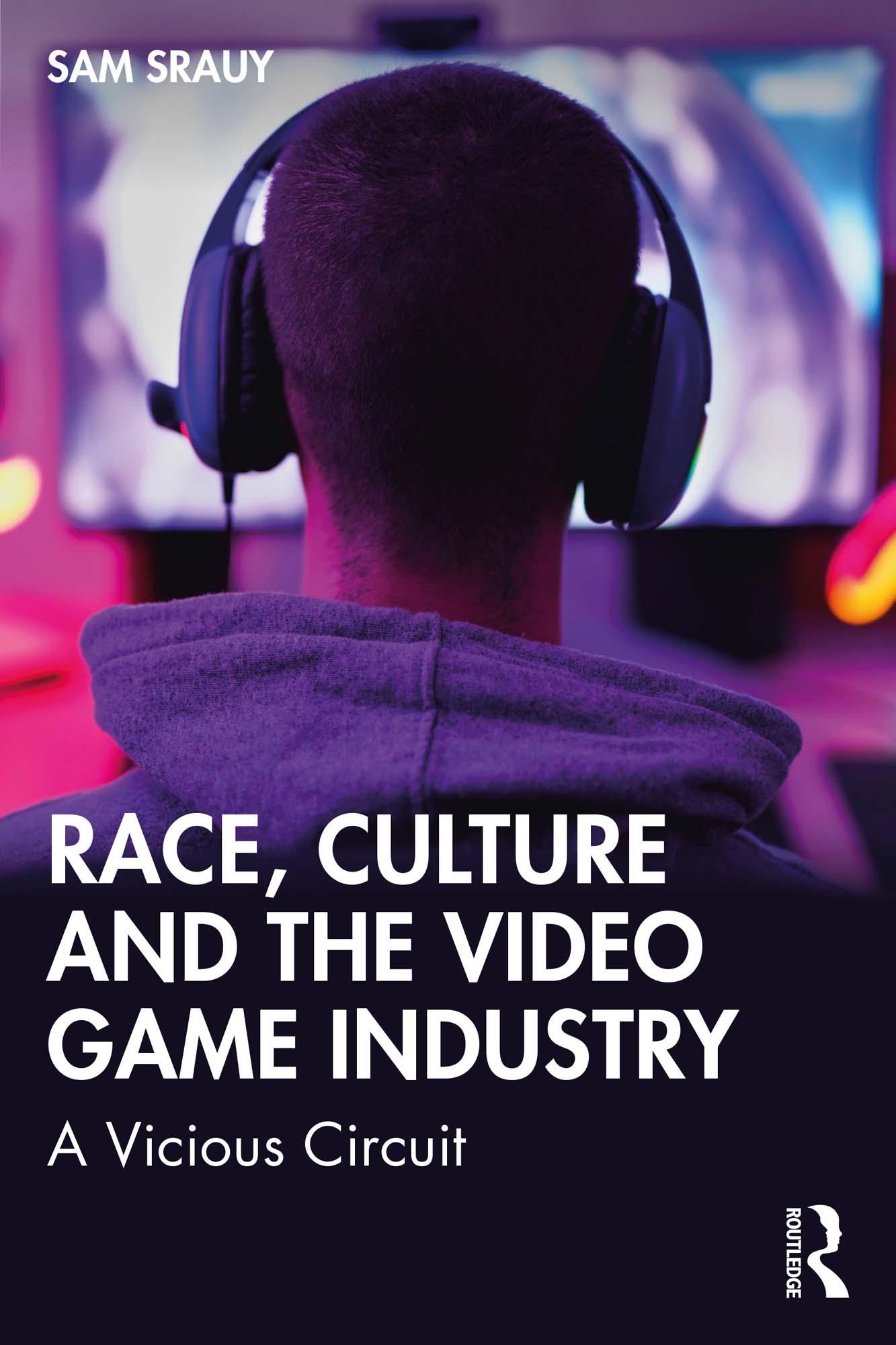
A detailed and much needed examination of how systemic racism in the US shaped the culture, market logic, and production practices of video game developers from the 1970s until the 2010s.
Offering historical analysis of the video game industries (console, PC, and indie) from a critical, political economic lens, this book specifically examines the history of how such practices created, enabled, and maintained racism through the imagined ‘gamer.’ The book explores how the cultural and economic landscape of the United States developed from the 1970s through the 2000s and explains how racist attitudes are reflected and maintained in the practices of video games production. These practices constitute a 'Vicious Circuit' that normalizes racism and the centrality of an imagined gamer identity. It also explores how the industry, from indie game developers to larger profit-driven companies, responded to changing attitudes in the 2010s, where racism and lack of diversity in games was frequently being noted. The book concludes by offering potential solutions to combat this ‘Vicious Circuit’.
A vital contribution to the study of video games that will be welcomed by students and scholars in the fields of media studies, cultural studies, game studies, critical race studies, and beyond.
Maksa helposti kortilla, Klarnalla, Apple Paylla tai Google Paylla. Etkö ole tyytyväinen? Sinulla on aina 14 päivän palautusoikeus. Lue lisää ehdoistamme. Jos sinulla on kysyttävää, lähetä meille sähköpostia osoitteeseen hello@memmo.org.
Memmo tekee opiskelusta helpompaa – missä päin maailmaa ikinä oletkin. Meillä yhdistät kurssikirjat ja fiksut opiskelutyökalut yhteen paikkaan: tiivistelmät, visat, podcastit ja muistikortit. Ja sitten Ted, opiskelukaverisi, joka vastaa kaikkeen, mitä ikinä mietitkin. Yli 50 000 opiskelijaa opiskelee jo täällä – rakennettu auttamaan sinua oppimaan nopeammin ja stressaamaan vähemmän.