
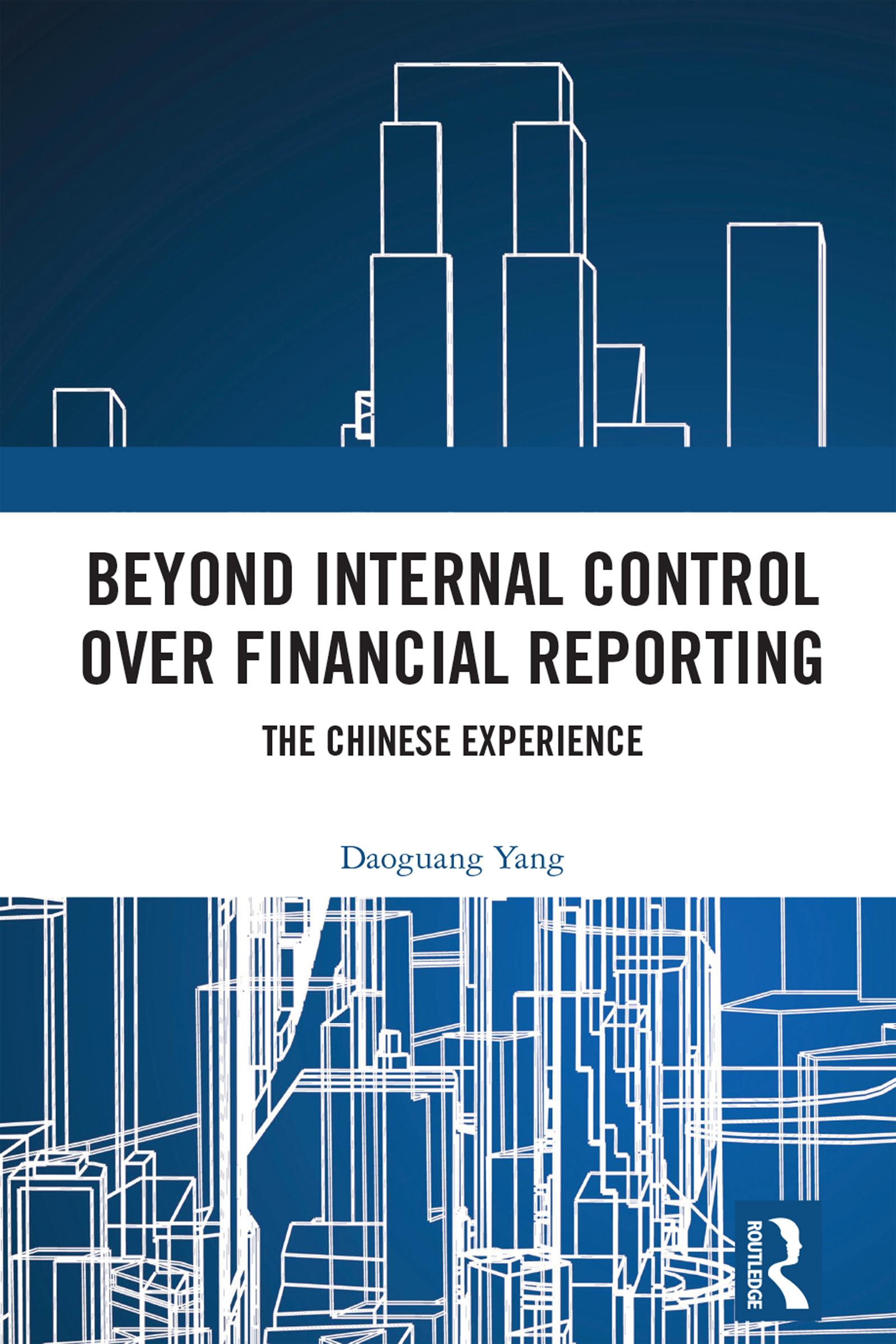
By examining two different modes of internal control and the fundamentals of risk management, this book analyses the role of internal control in financing, investment, profit distribution, and corporate strategies through China's experience. In doing so, it confirms the effectiveness and superiority of internal control over operation and management.
The book compares the various internal control methods used in China and the USA, namely, operation and management-oriented versus financial reporting-oriented approaches. It also discusses the differences in corporate risk attitudes and behaviours under the two approaches. The author then proposes the hyper-correction hypothesis and the trimming hypothesis. Empirical findings regarding corporate cash policy, mergers and acquisitions, tax avoidance, and diversification strategy reveal that internal control in China does not result in undue risk aversion but instead manages enterprise risk within a reasonable capacity. These results support the trimming hypothesis and demonstrate that internal control is a useful risk management tool.
The title will appeal to students, academics, and accounting professionals interested in internal control (risk management), accounting, auditing and corporate finance, regulation and governance.
Maksa helposti kortilla, Klarnalla, Apple Paylla tai Google Paylla. Etkö ole tyytyväinen? Sinulla on aina 14 päivän palautusoikeus. Lue lisää ehdoistamme. Jos sinulla on kysyttävää, lähetä meille sähköpostia osoitteeseen hello@memmo.org.
Memmo tekee opiskelusta helpompaa – missä päin maailmaa ikinä oletkin. Meillä yhdistät kurssikirjat ja fiksut opiskelutyökalut yhteen paikkaan: tiivistelmät, visat, podcastit ja muistikortit. Ja sitten Ted, opiskelukaverisi, joka vastaa kaikkeen, mitä ikinä mietitkin. Yli 50 000 opiskelijaa opiskelee jo täällä – rakennettu auttamaan sinua oppimaan nopeammin ja stressaamaan vähemmän.