
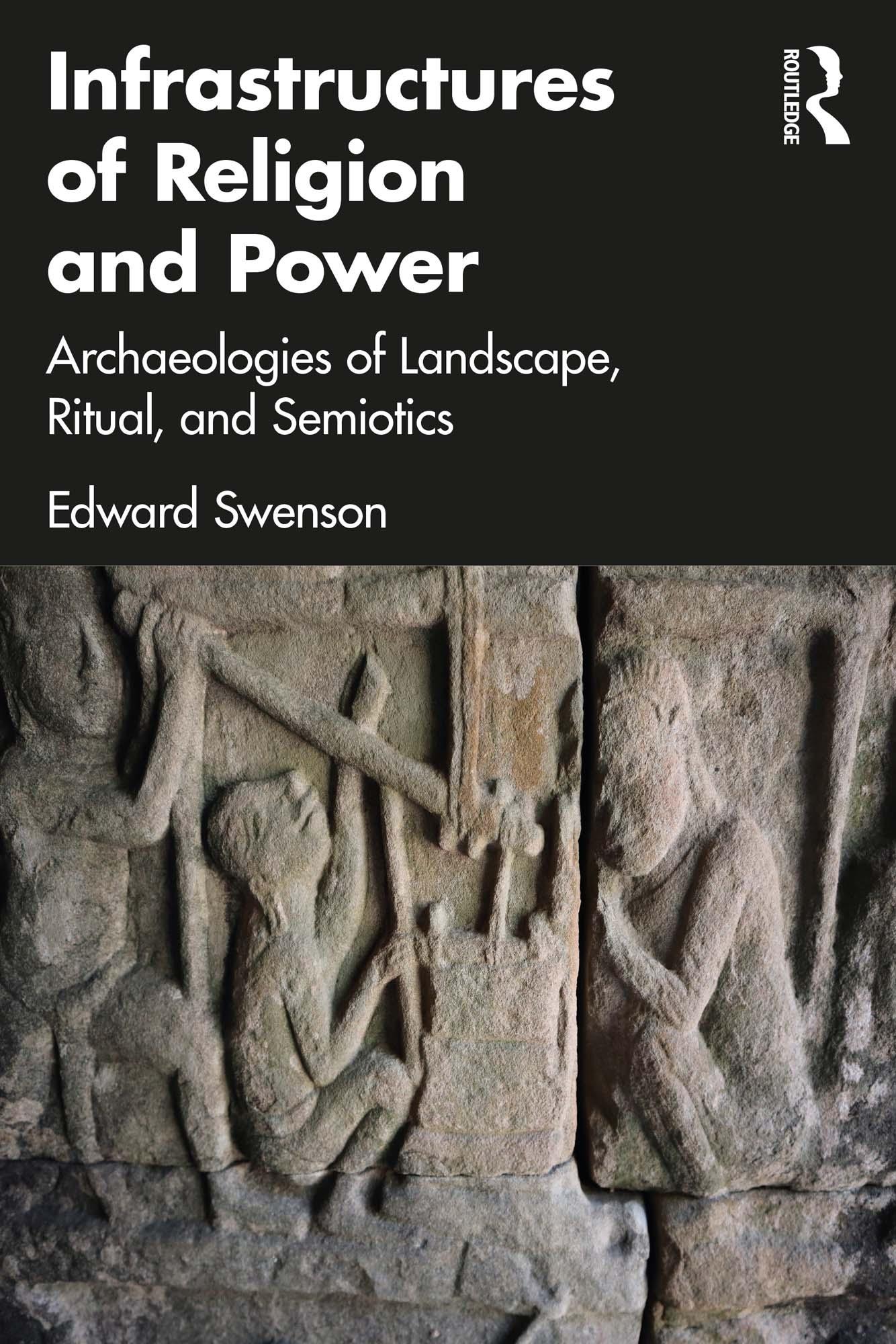
This book explores the central role of religion in place-making and infrastructural projects in ancient polities.
It presents a trilectic approach to archaeological study of religious landscapes that combines Indigenous philosophies with the spatial and semiotic thinking of Lefebvre, Peirce, and proponents of assemblage theories. Case studies from ancient Angkor and the Andes reveal how rituals of place-making activated processes of territorialization and semiosis fundamental to the experience of political worlds that shaped power relations in past societies. The perspectives developed in the book permit a reconstruction of how landscapes were variably conceived, perceived, and lived in the spirit of Henri Lefebvre, and how these registers may have aligned or clashed. In the end, the examination of built environments, infrastructures, and rituals staged within specialized buildings demonstrates how archaeologists can better infer past ontologies, cosmologies, ideologies of time and place, and historically specific political struggles.
The study will appeal to students and researchers interested in ritual, infrastructures, landscape, archaeological theory, political institutions, semiotics, human geography, and the civilizations of the ancient Andes and Angkor.
Maksa helposti kortilla, Klarnalla, Apple Paylla tai Google Paylla. Etkö ole tyytyväinen? Sinulla on aina 14 päivän palautusoikeus. Lue lisää ehdoistamme. Jos sinulla on kysyttävää, lähetä meille sähköpostia osoitteeseen hello@memmo.org.
Memmo tekee opiskelusta helpompaa – missä päin maailmaa ikinä oletkin. Meillä yhdistät kurssikirjat ja fiksut opiskelutyökalut yhteen paikkaan: tiivistelmät, visat, podcastit ja muistikortit. Ja sitten Ted, opiskelukaverisi, joka vastaa kaikkeen, mitä ikinä mietitkin. Yli 50 000 opiskelijaa opiskelee jo täällä – rakennettu auttamaan sinua oppimaan nopeammin ja stressaamaan vähemmän.