
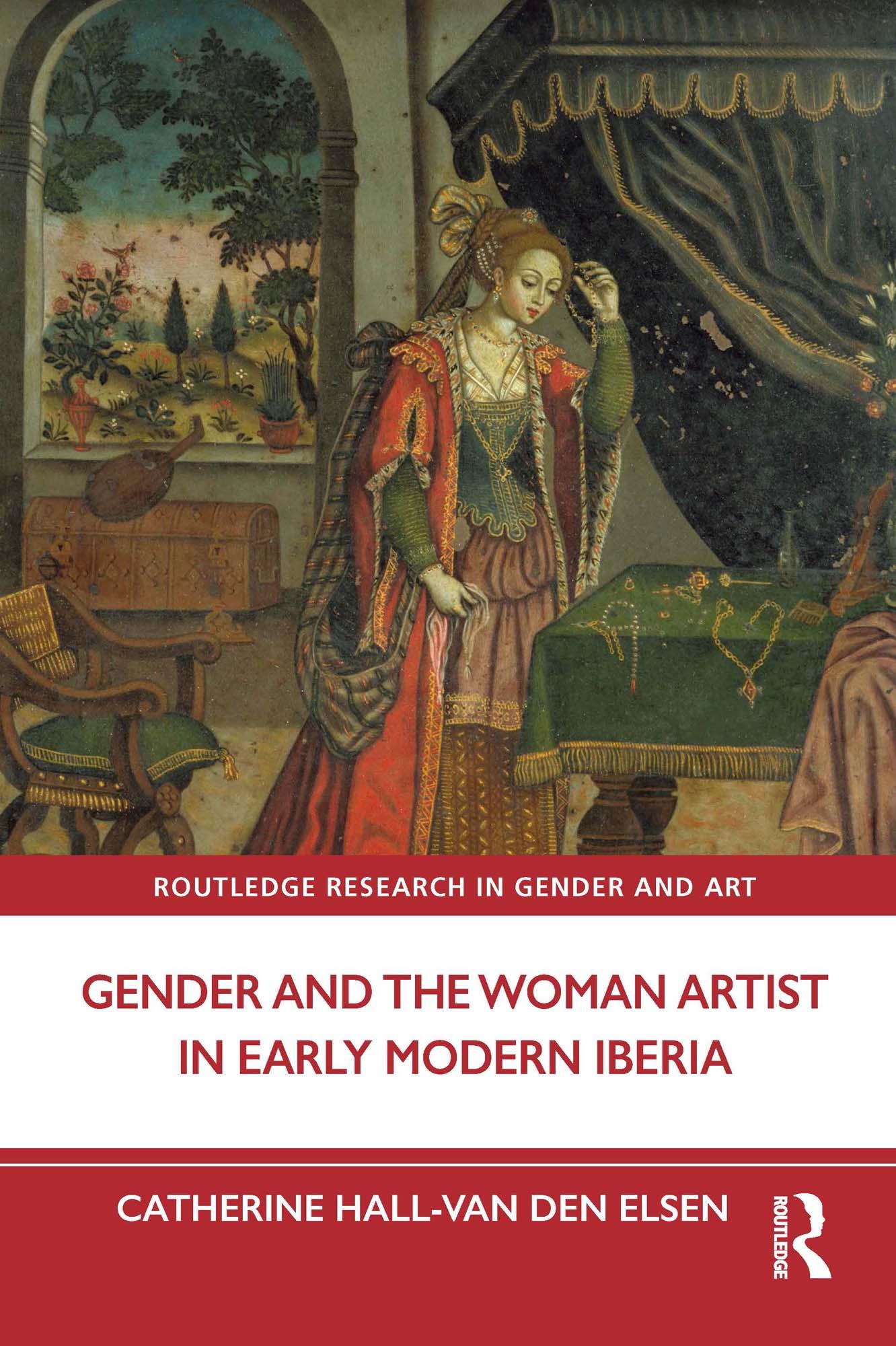
This monograph explores the social constructs surrounding artistic production in early modern Iberia through the lenses of gender and class by examining the rarely considered contribution of creative women in Spain and Portugal between 1550 and 1700.
Using the life-stage framework popular in texts of the period and drawing on a broad spectrum of materials including conduct guidebooks, treatises and conventual rules, this book examines the constraints imposed by gender-related social structures through microhistories of nuns, married, and unmarried women. The text spans class boundaries in its analysis of the work of painters, engravers, and sculptors, many of whom have until now eluded scholarly attention in English-language publications. An extensive bibliography promotes new avenues of inquiry into women’s contributions to the visual arts of the period.
This book will be of interest to scholars working in art history, gender studies, women’s history, early modern Iberian studies, and Renaissance studies.
Maksa helposti kortilla, Klarnalla, Apple Paylla tai Google Paylla. Etkö ole tyytyväinen? Sinulla on aina 14 päivän palautusoikeus. Lue lisää ehdoistamme. Jos sinulla on kysyttävää, lähetä meille sähköpostia osoitteeseen hello@memmo.org.
Memmo tekee opiskelusta helpompaa – missä päin maailmaa ikinä oletkin. Meillä yhdistät kurssikirjat ja fiksut opiskelutyökalut yhteen paikkaan: tiivistelmät, visat, podcastit ja muistikortit. Ja sitten Ted, opiskelukaverisi, joka vastaa kaikkeen, mitä ikinä mietitkin. Yli 50 000 opiskelijaa opiskelee jo täällä – rakennettu auttamaan sinua oppimaan nopeammin ja stressaamaan vähemmän.