
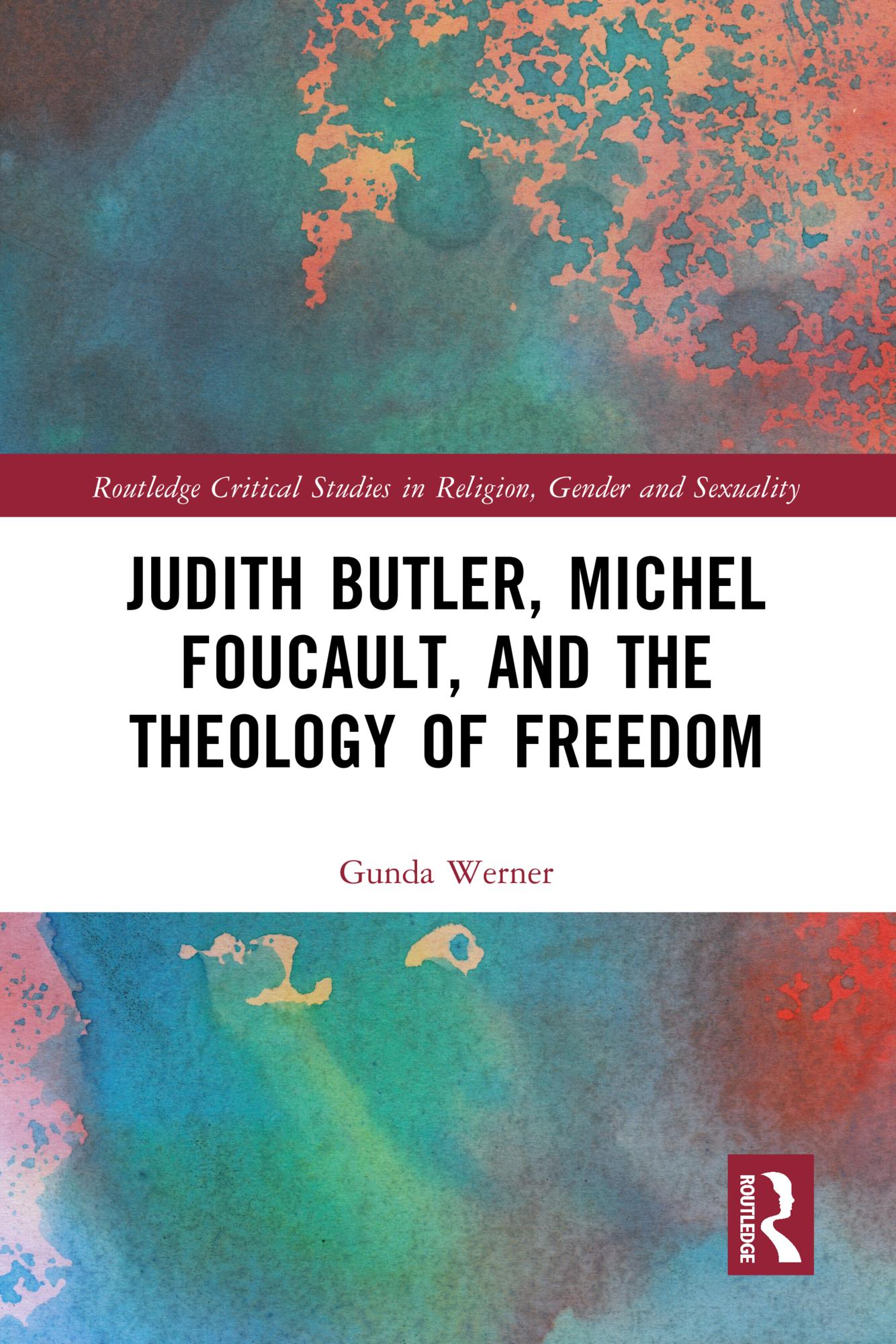
This book explores how Judith Butler’s work on gender and the shaping of the human subject and Michel Foucault's notion of parrhesia, ‘speaking the truth’, can be made fruitful for a theology of freedom. The volume illustrates the importance of three concepts - freedom, gender (body) and power (critique) - and how this triad provides the foundational categories and structural elements of a theology of freedom. By starting from an analysis of power and the performative potential of gendered embodiment, freedom can be thought of as the basis of creative and critical human action and thereby implemented in theology. The chapters feature several theological-historical case studies that are representative of topics that continue to shape contemporary Catholic norms and thought. In particular, the author reflects on the 13th century with the idea of personal sin and confession, and the 19th century with a gender ideology that has led to the marginalization of difference and dissent. The book shows how Butler and Foucault can provide essential insights for Catholic theology and is valuable reading for scholars of religion, philosophy, and gender and sexuality studies.
Maksa helposti kortilla, Klarnalla, Apple Paylla tai Google Paylla. Etkö ole tyytyväinen? Sinulla on aina 14 päivän palautusoikeus. Lue lisää ehdoistamme. Jos sinulla on kysyttävää, lähetä meille sähköpostia osoitteeseen hello@memmo.org.
Memmo tekee opiskelusta helpompaa – missä päin maailmaa ikinä oletkin. Meillä yhdistät kurssikirjat ja fiksut opiskelutyökalut yhteen paikkaan: tiivistelmät, visat, podcastit ja muistikortit. Ja sitten Ted, opiskelukaverisi, joka vastaa kaikkeen, mitä ikinä mietitkin. Yli 50 000 opiskelijaa opiskelee jo täällä – rakennettu auttamaan sinua oppimaan nopeammin ja stressaamaan vähemmän.