
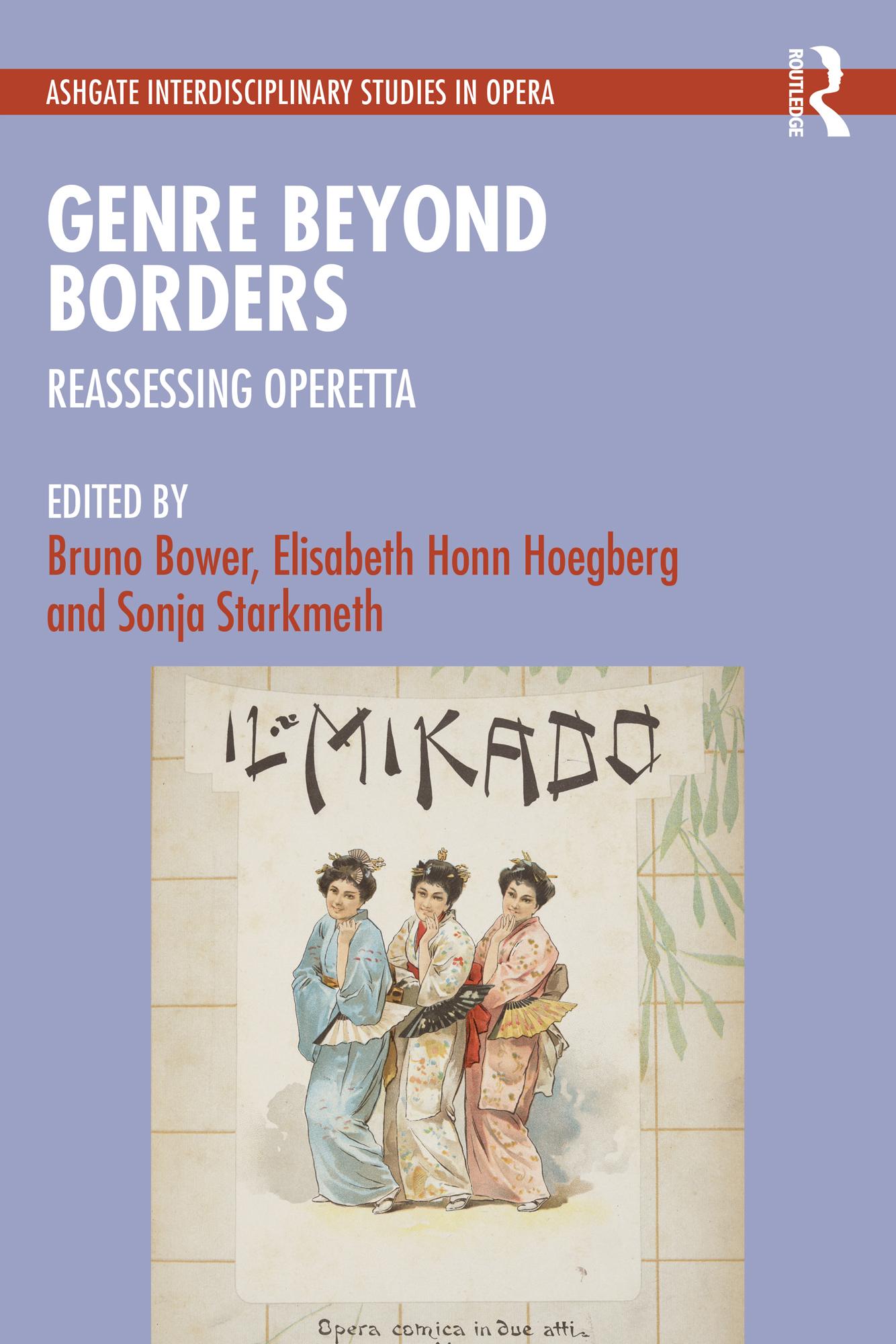
This book offers an innovative approach to understanding operetta, drawing attention to its malleability and resistance to boundaries. These shows have traversed (and continue to traverse) with ease the national borders which might superficially define them, or draw on features from many other genres without fundamentally changing in tone or approach. The chapters move from nineteenth-century London and Paris to twentieth-century North America, South America and Europe to present-day Australia. Some offer fresh understandings of familiar composers, such as Johann Strauss or Gilbert and Sullivan, while others examine works or composers that are less well-known. The chapter on Socialist operetta in Czechoslovakia in particular will almost certainly be a revelation to anyone from Western Europe or the US, where operetta is often understood to be a bourgeois phenomenon. As a summary of the current state of the field, this collection showcases the many possible pathways for future scholars who wish to explore it.
Maksa helposti kortilla, Klarnalla, Apple Paylla tai Google Paylla. Etkö ole tyytyväinen? Sinulla on aina 14 päivän palautusoikeus. Lue lisää ehdoistamme. Jos sinulla on kysyttävää, lähetä meille sähköpostia osoitteeseen hello@memmo.org.
Memmo tekee opiskelusta helpompaa – missä päin maailmaa ikinä oletkin. Meillä yhdistät kurssikirjat ja fiksut opiskelutyökalut yhteen paikkaan: tiivistelmät, visat, podcastit ja muistikortit. Ja sitten Ted, opiskelukaverisi, joka vastaa kaikkeen, mitä ikinä mietitkin. Yli 50 000 opiskelijaa opiskelee jo täällä – rakennettu auttamaan sinua oppimaan nopeammin ja stressaamaan vähemmän.