
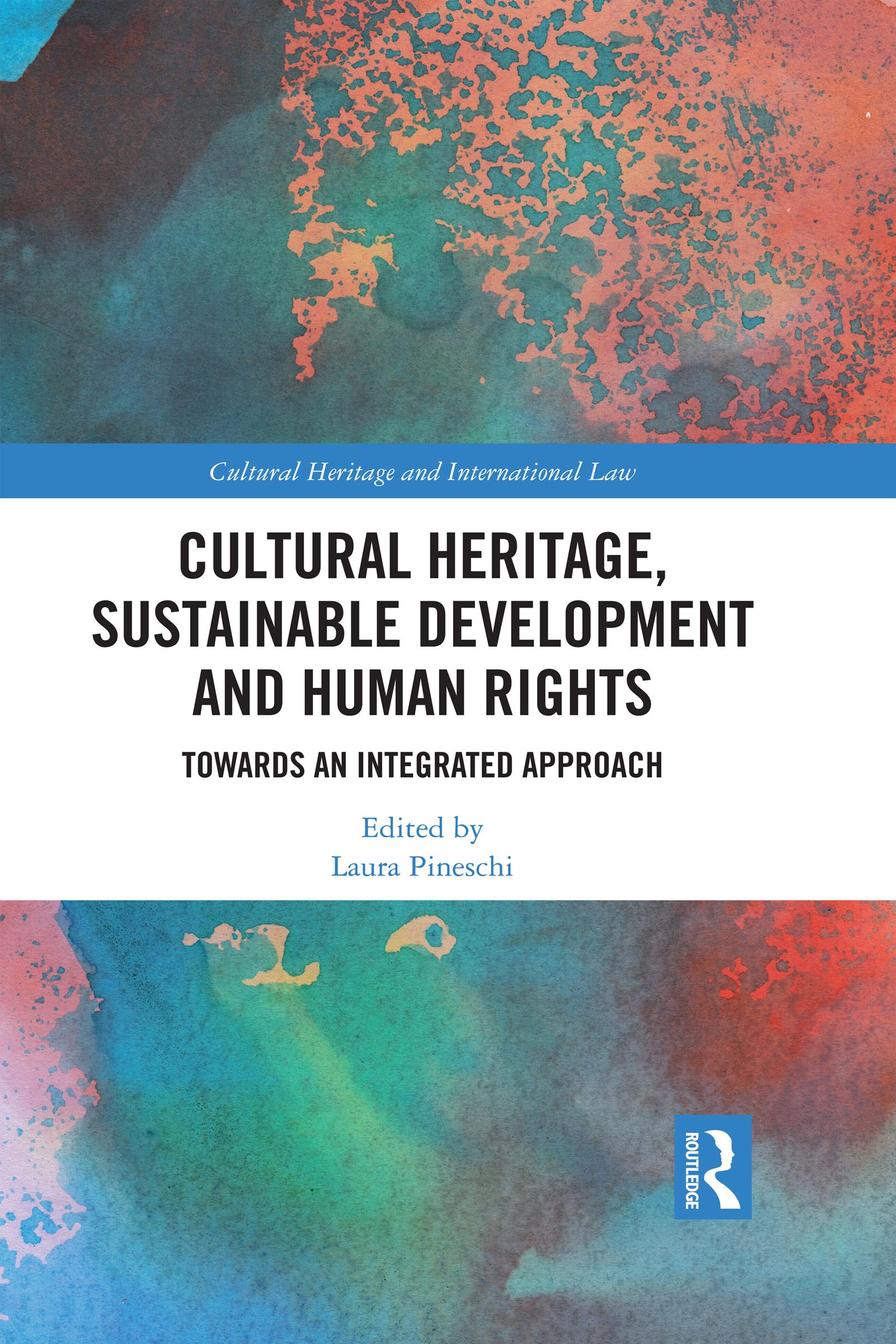
The importance of cultural heritage - in both its tangible and intangible forms - to sustainable development and its economic, social and environmental components is increasingly evident in the recent practice of intergovernmental and non-governmental organizations at the universal and regional level.
Due consideration for the integration of the cultural dimension in the implementation of Agenda 2030 has begun to grow in various international fora, including initiatives to emphasize the role and contribution of tangible and intangible heritage as drivers and enablers of sustainable development. It has also been recognized that the inherent links between cultural heritage and sustainable development cannot be correctly addressed without taking into account their various implications for the effective enjoyment of all human rights, including cultural rights.
This book offers a thorough academic investigation on the importance of cultural heritage to sustainable development and cultural rights from an international law perspective. Providing an in-depth review of the possible intersections between cultural heritage, sustainable development and cultural rights and the limits of the current legal and institutional framework, it will be of interest to researchers and scholars of international law, cultural heritage law, environmental law and human rights law.
Maksa helposti kortilla, Klarnalla, Apple Paylla tai Google Paylla. Etkö ole tyytyväinen? Sinulla on aina 14 päivän palautusoikeus. Lue lisää ehdoistamme. Jos sinulla on kysyttävää, lähetä meille sähköpostia osoitteeseen hello@memmo.org.
Memmo tekee opiskelusta helpompaa – missä päin maailmaa ikinä oletkin. Meillä yhdistät kurssikirjat ja fiksut opiskelutyökalut yhteen paikkaan: tiivistelmät, visat, podcastit ja muistikortit. Ja sitten Ted, opiskelukaverisi, joka vastaa kaikkeen, mitä ikinä mietitkin. Yli 50 000 opiskelijaa opiskelee jo täällä – rakennettu auttamaan sinua oppimaan nopeammin ja stressaamaan vähemmän.