
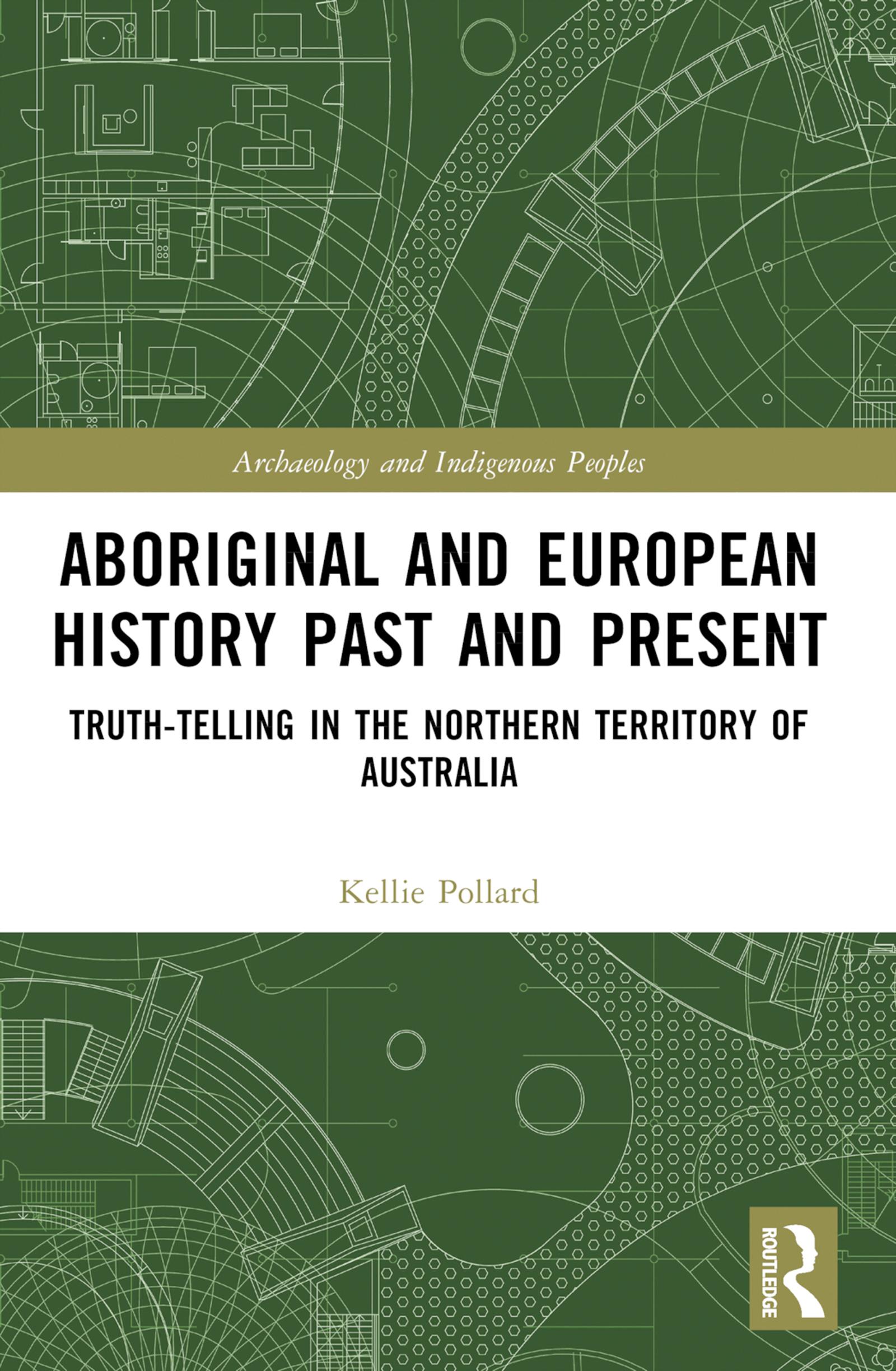
This book analyses the 150-year history of continuous contact between Aboriginal people and non-Aboriginal people in the Darwin region of the Northern Territory of Australia after the European invasion in 1869 to the present day.
It explores the role Aboriginal fringe camps served, and still do, as places of interface between Aboriginal people and non-Aboriginal people in the context of ongoing colonialism after colonisation. The book argues that Aboriginal fringe camps provide much potential for elucidating aspects of Aboriginal responses to the European invasion and, in a contemporary context, bear distinct evidence of a cultural nature that associates their origins, use, purpose, and functions predominantly with Aboriginal people. It contributes a new and innovative theoretical model that will enable readers to conceive how insights about Aboriginal behaviour in the context of Aboriginal fringe camps were achieved. The model is informed by the frameworks of colonialism and, innovatively, philosophy.
Contributing new theoretical knowledge to contact histories and relations between Europeans and Indigenous peoples, the book will be important to researchers in the archaeology of Australia and those concerned with Indigenous Studies.
Maksa helposti kortilla, Klarnalla, Apple Paylla tai Google Paylla. Etkö ole tyytyväinen? Sinulla on aina 14 päivän palautusoikeus. Lue lisää ehdoistamme. Jos sinulla on kysyttävää, lähetä meille sähköpostia osoitteeseen hello@memmo.org.
Memmo tekee opiskelusta helpompaa – missä päin maailmaa ikinä oletkin. Meillä yhdistät kurssikirjat ja fiksut opiskelutyökalut yhteen paikkaan: tiivistelmät, visat, podcastit ja muistikortit. Ja sitten Ted, opiskelukaverisi, joka vastaa kaikkeen, mitä ikinä mietitkin. Yli 50 000 opiskelijaa opiskelee jo täällä – rakennettu auttamaan sinua oppimaan nopeammin ja stressaamaan vähemmän.