
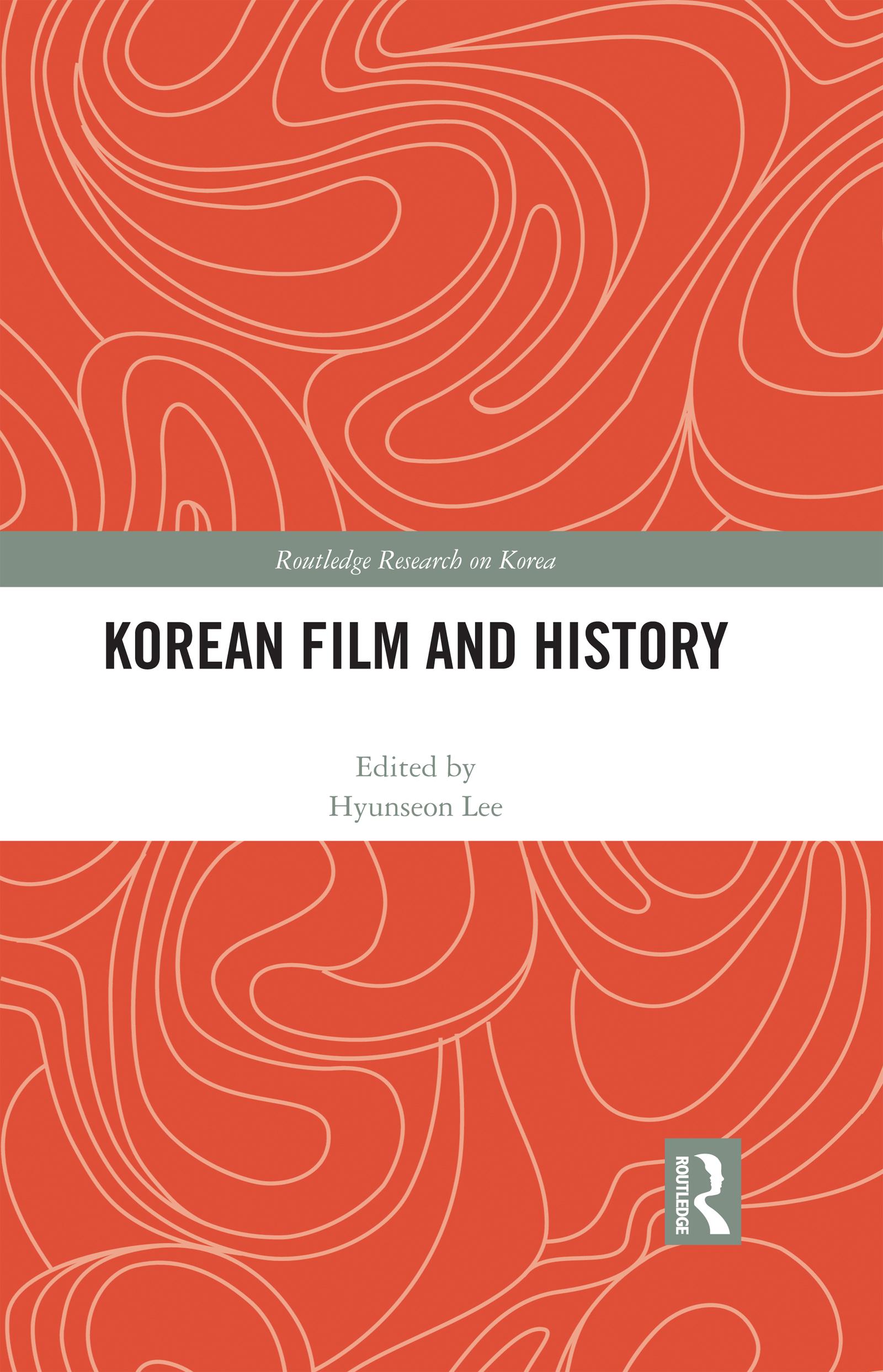
Cinema has become a battleground upon which history is made—a major mass medium of the twentieth century dealing with history. The re-enactments of historical events in film straddle reality and fantasy, documentary and fiction, representation and performance, entertainment and education. This interdisciplinary book examines the relationship between film and history and the links between historical research and filmic (re-)presentations of history with special reference to South Korean cinema.
As with all national film industries, Korean cinema functions as a medium of inventing national history and identity, and also establishing their legitimacy—in both forgetting the past and remembering history. Korean films also play a part in forging cultural collective memory. Korea as a colonised and divided nation clearly adopted different approaches to the filmic depiction of history compared to colonial powers such as Western or Japanese cinema. The Colonial Period (1910–1945) and Korean War (1950–1953) draw particular attention as they have been major topics shaping the narrative of nation in North and South Korean films.
Exploring the changing modes, impacts and functions of screen images dealing with history in Korean cinema, this book will be of huge interest to students and scholars of Korean history, film, media and cultural studies.
Maksa helposti kortilla, Klarnalla, Apple Paylla tai Google Paylla. Etkö ole tyytyväinen? Sinulla on aina 14 päivän palautusoikeus. Lue lisää ehdoistamme. Jos sinulla on kysyttävää, lähetä meille sähköpostia osoitteeseen hello@memmo.org.
Memmo tekee opiskelusta helpompaa – missä päin maailmaa ikinä oletkin. Meillä yhdistät kurssikirjat ja fiksut opiskelutyökalut yhteen paikkaan: tiivistelmät, visat, podcastit ja muistikortit. Ja sitten Ted, opiskelukaverisi, joka vastaa kaikkeen, mitä ikinä mietitkin. Yli 50 000 opiskelijaa opiskelee jo täällä – rakennettu auttamaan sinua oppimaan nopeammin ja stressaamaan vähemmän.