
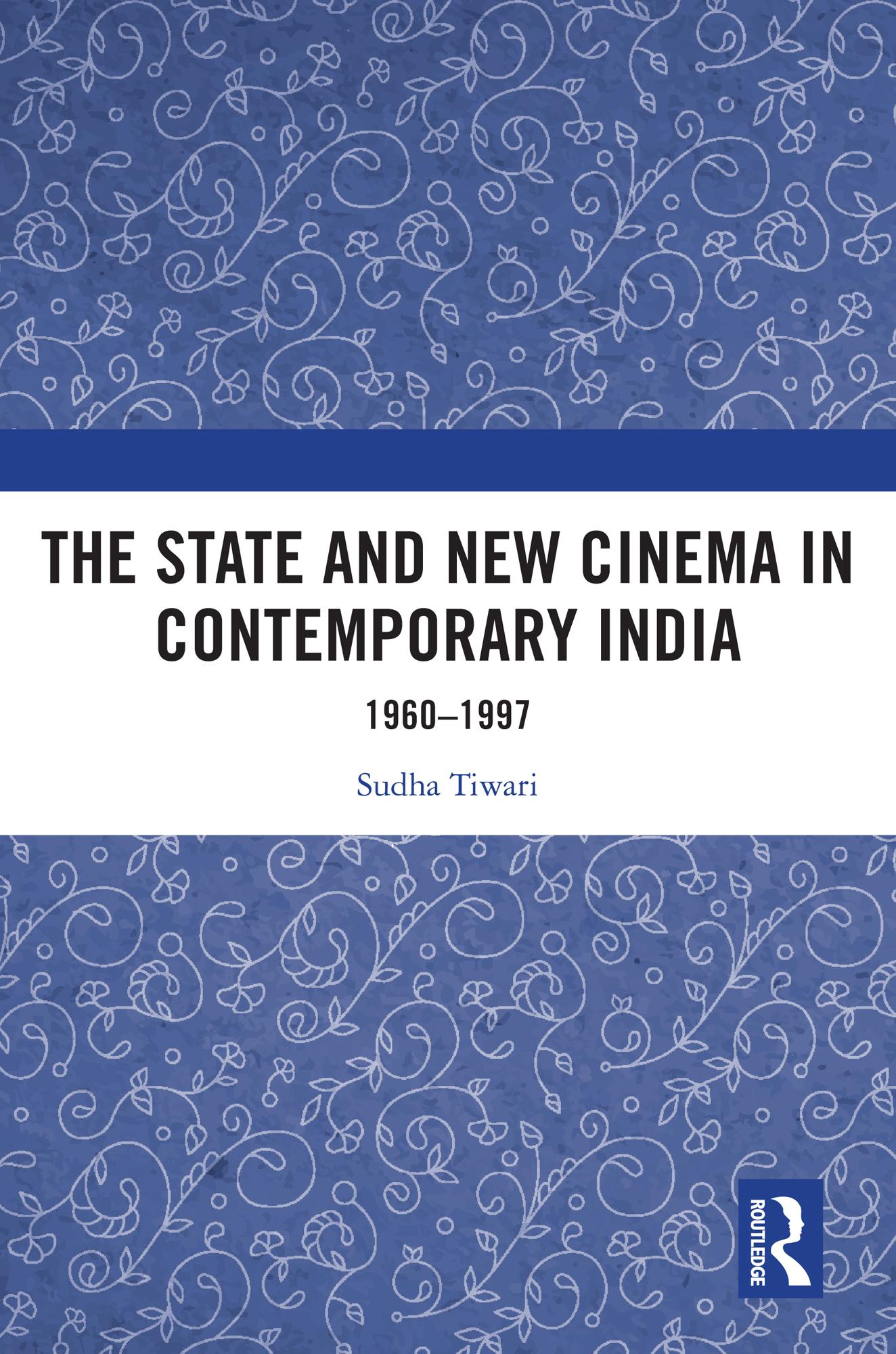
This book examines the relationship between the newly independent Indian state and its New Cinema movement. It looks at state formative practices articulating themselves as cultural policy. It presents an institutional history of the Film Finance Corporation (FFC), later the National Film Development Corporation (NFDC), and their patronage of the New Cinema in India, from the 1960s to the 1990s, bringing into focus an extraordinary but neglected cultural moment in Indian film history and in the history of contemporary India.
The chapters not only document the artistic pursuit of cinema, but also the emergence of a larger field where the market, political inclinations of the Indian state, and the more complex determinants of culture intersect — how the New Cinema movement faced external challenges from the industrial lobby and politicians, as well as experienced deep rifts from within. It also shows how the Emergency, the Janata Party regime, economic liberalization, and the opening of airwaves all left their impact on the New Cinema.
The volume will be of great interest to scholars and researchers of film studies, politics and public policy, especially cultural policy, media and culture studies, and South Asian studies.
Maksa helposti kortilla, Klarnalla, Apple Paylla tai Google Paylla. Etkö ole tyytyväinen? Sinulla on aina 14 päivän palautusoikeus. Lue lisää ehdoistamme. Jos sinulla on kysyttävää, lähetä meille sähköpostia osoitteeseen hello@memmo.org.
Memmo tekee opiskelusta helpompaa – missä päin maailmaa ikinä oletkin. Meillä yhdistät kurssikirjat ja fiksut opiskelutyökalut yhteen paikkaan: tiivistelmät, visat, podcastit ja muistikortit. Ja sitten Ted, opiskelukaverisi, joka vastaa kaikkeen, mitä ikinä mietitkin. Yli 50 000 opiskelijaa opiskelee jo täällä – rakennettu auttamaan sinua oppimaan nopeammin ja stressaamaan vähemmän.