
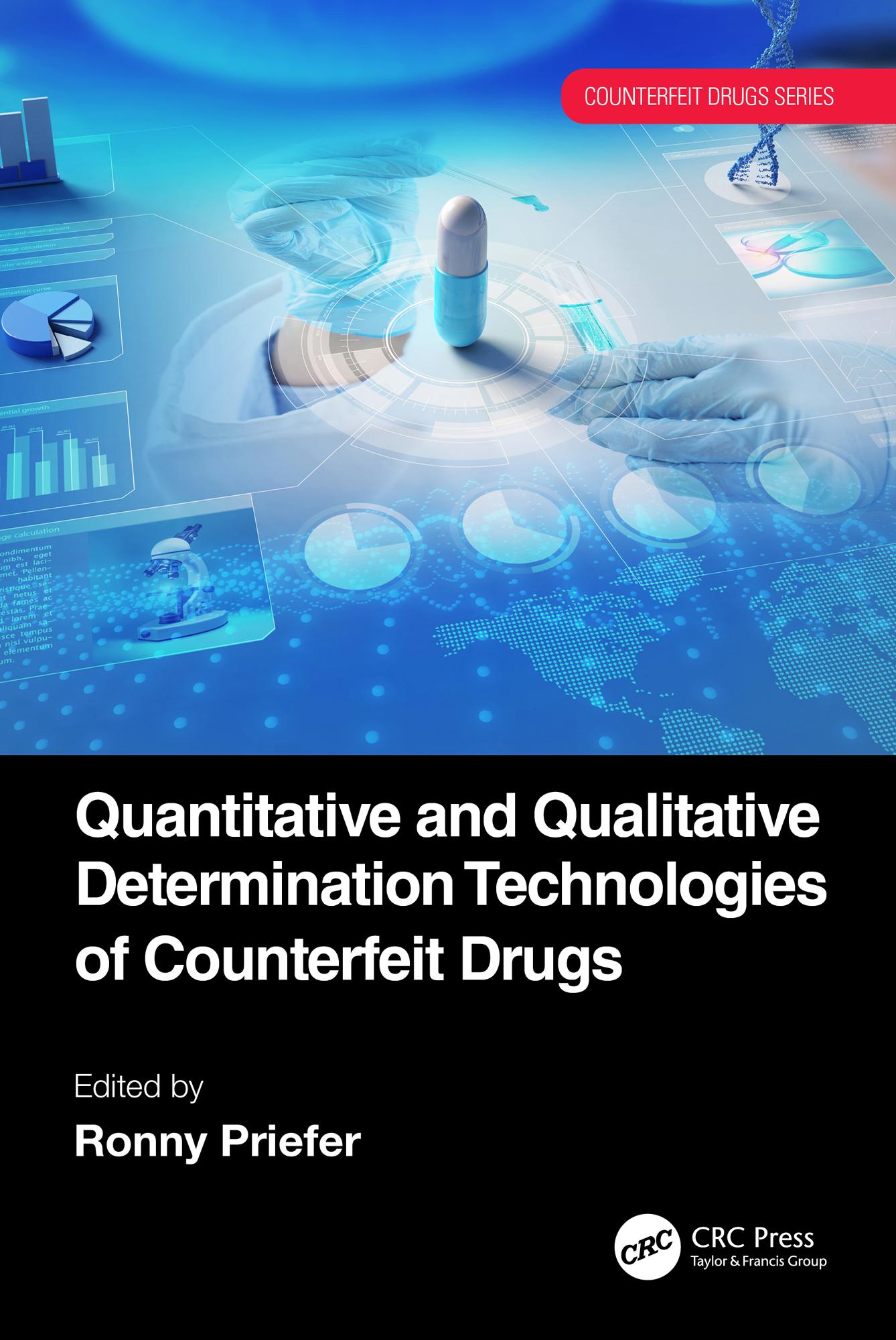
Drugs are often counterfeited to reduce manufacture costs, while still marketing it at as an authentic product. Increased incidence of drug counterfeiting is most noticeable in developing countries, which may not have the resources to supply counterfeit detection devices on a large scale. It is important to consider the problems caused and to propose options for controlling and reducing the prevalence of counterfeit medications. Various technologies are needed to identify the chemical properties of a questioned medicinal product, which can then be used to determine its authenticity. This volume focuses on current technological approaches that are able to detect counterfeited pharmaceuticals.
Features
- Focuses on current technological approaches that are able to detect counterfeited pharmaceuticals
- Assesses the chemical methods of identifying counterfeit medicinal products and explains the theoretical underpinnings of the methods
- Provides case study type examples of the application for analysis of suspected counterfeit pharmaceuticals
- Discusses the detection and analysis of counterfeit drugs, and appropriate tools for combating this issue
- The editor draws on his experience as a respected chemist and prolific author in the field to provide this unique text on drug counterfeiting detection
Maksa helposti kortilla, Klarnalla, Apple Paylla tai Google Paylla. Etkö ole tyytyväinen? Sinulla on aina 14 päivän palautusoikeus. Lue lisää ehdoistamme. Jos sinulla on kysyttävää, lähetä meille sähköpostia osoitteeseen hello@memmo.org.
Memmo tekee opiskelusta helpompaa – missä päin maailmaa ikinä oletkin. Meillä yhdistät kurssikirjat ja fiksut opiskelutyökalut yhteen paikkaan: tiivistelmät, visat, podcastit ja muistikortit. Ja sitten Ted, opiskelukaverisi, joka vastaa kaikkeen, mitä ikinä mietitkin. Yli 50 000 opiskelijaa opiskelee jo täällä – rakennettu auttamaan sinua oppimaan nopeammin ja stressaamaan vähemmän.