
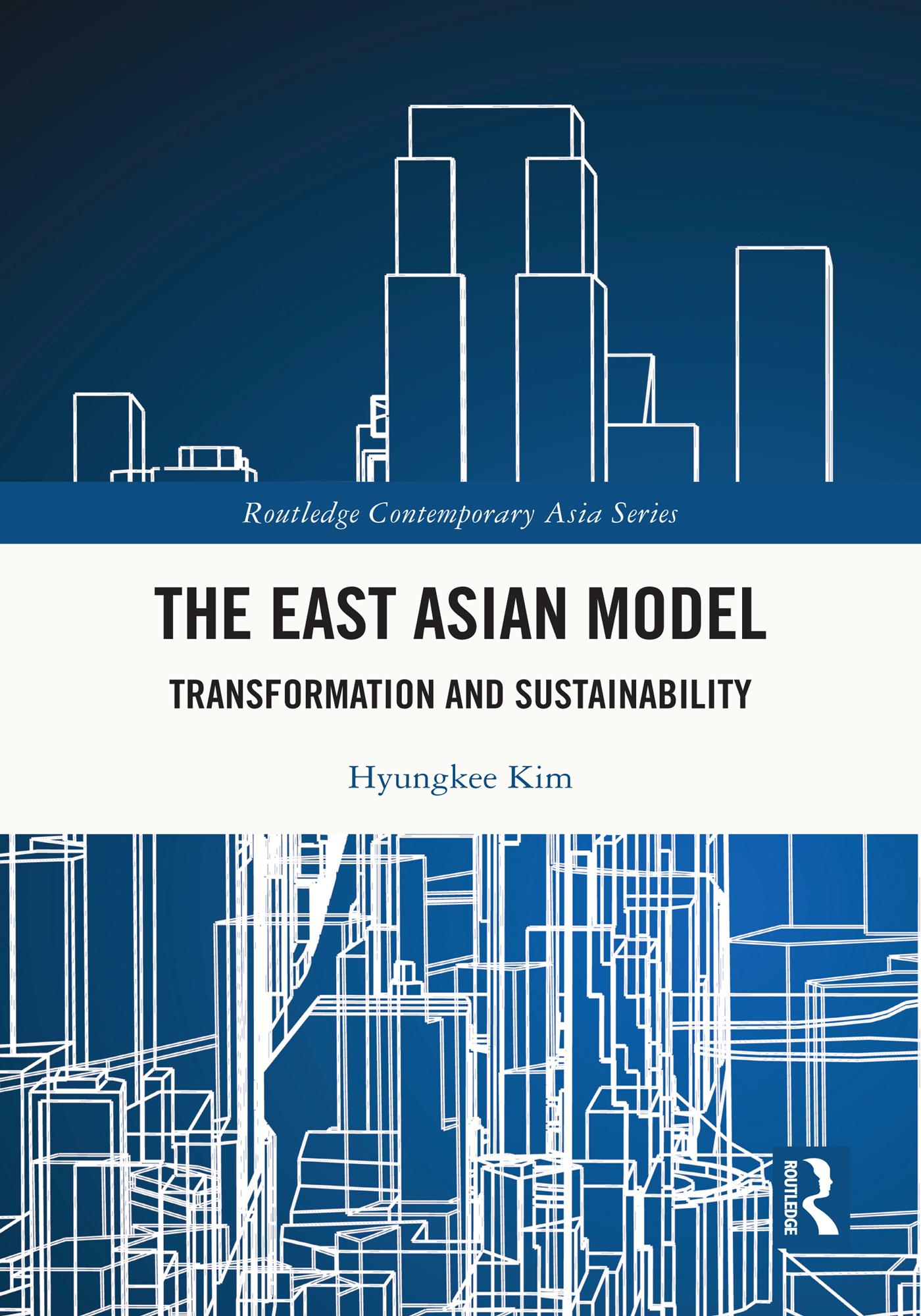
Hyungkee Kim analyses the model of East Asian development as it existed during periods of high growth and how it was transformed by pressures from both the Washington consensus and its own internal contradictions.
Many have discussed the successes and failures of the East Asian model, but Kim is concerned rather with the story of its transformation, and its long-term sustainability. He uses a Five Sector Model, which focuses on the, state, corporate, financial, labour, and foreign sectors to identify the core of East Asian model and examine the variants in Korea, Japan and China. He also outlines the distinctions between the East Asian model and Western development models including the Anglo-American, Rhine, and Nordic models. He analyses in detail the institutional changes such as marketization, privatization, liberalization, and flexibilization that have transformed the East Asian model. Highlighting the major problems that emerged from the transformation of the East Asian model, Kim assesses its prospects for economic, social and ecological sustainability and proposes an agenda for institutional reforms.
An essential reading for scholars of East Asian political economy.
Maksa helposti kortilla, Klarnalla, Apple Paylla tai Google Paylla. Etkö ole tyytyväinen? Sinulla on aina 14 päivän palautusoikeus. Lue lisää ehdoistamme. Jos sinulla on kysyttävää, lähetä meille sähköpostia osoitteeseen hello@memmo.org.
Memmo tekee opiskelusta helpompaa – missä päin maailmaa ikinä oletkin. Meillä yhdistät kurssikirjat ja fiksut opiskelutyökalut yhteen paikkaan: tiivistelmät, visat, podcastit ja muistikortit. Ja sitten Ted, opiskelukaverisi, joka vastaa kaikkeen, mitä ikinä mietitkin. Yli 50 000 opiskelijaa opiskelee jo täällä – rakennettu auttamaan sinua oppimaan nopeammin ja stressaamaan vähemmän.