
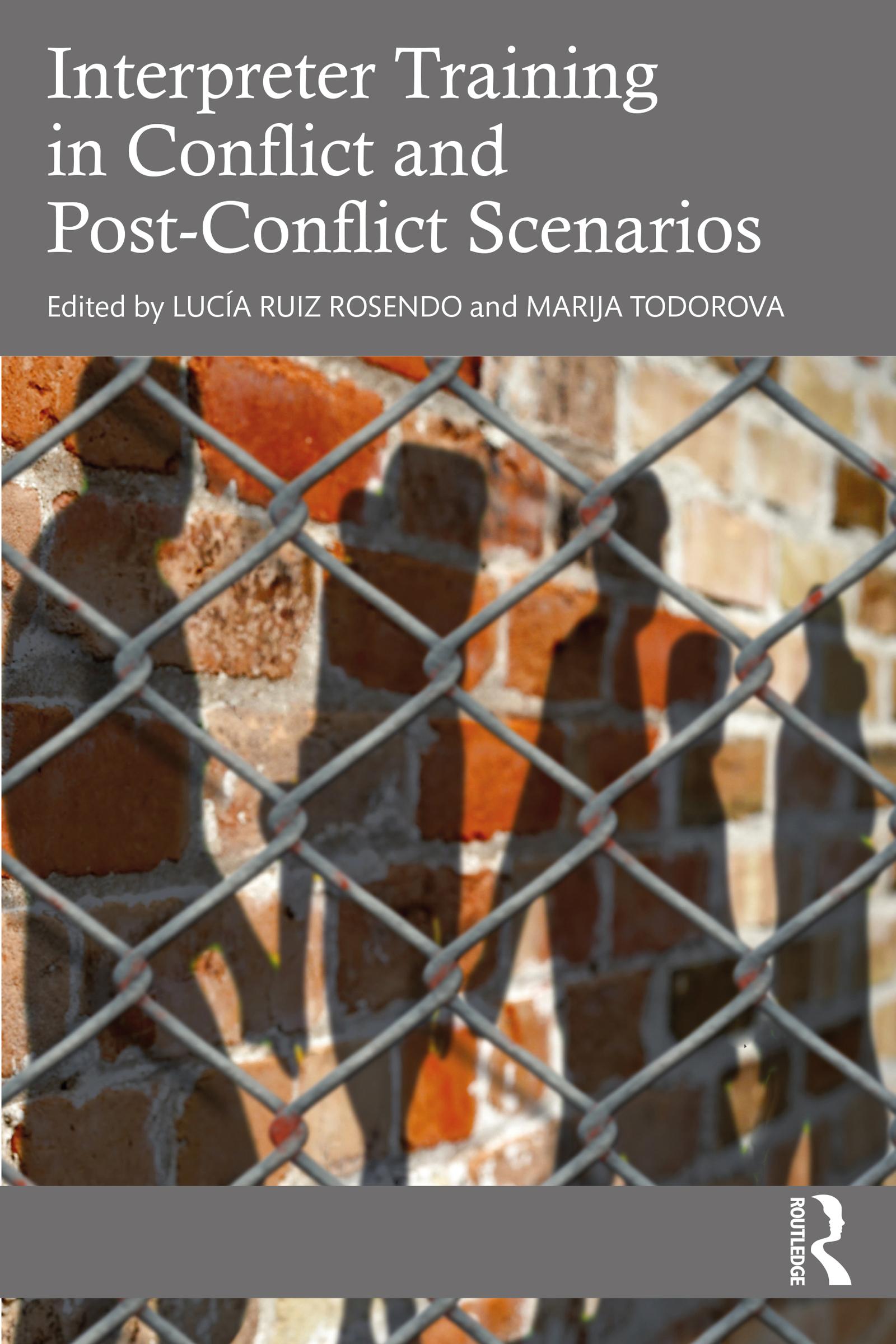
The role of interpreters in conflict situations is of increasing real world importance. There are ethical, cultural, and professional issues that have yet to be explored, and there is a need for specialised training that addresses the specific contexts in which interpreters perform their duties, considering the situated nature of interpreting in these contexts.
This volume is structured around interpreter training in different contexts of conflict and post-conflict, from military operations and international tribunals to asylum-seeking and refugee, humanitarian, and human rights missions. Themes covered include risk management and communication, ethics and professional demeanour, language technology and its use, intercultural mediation, training in specific contexts, such as conflict resolution and negotiation, and working with trauma. Chapters are authored by experts from around the world with a range of different profiles: military personnel, scholars, the staff of international organisations, and representatives from refugee and asylum-seeker-assisting institutions.
Interpreter Training in Conflict and Post-Conflict Scenarios is key reading both for students and scholars researching interpreting in conflict zones and conflict-related scenarios and for practising and trainee interpreters and mediators working for international organisations and the military.
Maksa helposti kortilla, Klarnalla, Apple Paylla tai Google Paylla. Etkö ole tyytyväinen? Sinulla on aina 14 päivän palautusoikeus. Lue lisää ehdoistamme. Jos sinulla on kysyttävää, lähetä meille sähköpostia osoitteeseen hello@memmo.org.
Memmo tekee opiskelusta helpompaa – missä päin maailmaa ikinä oletkin. Meillä yhdistät kurssikirjat ja fiksut opiskelutyökalut yhteen paikkaan: tiivistelmät, visat, podcastit ja muistikortit. Ja sitten Ted, opiskelukaverisi, joka vastaa kaikkeen, mitä ikinä mietitkin. Yli 50 000 opiskelijaa opiskelee jo täällä – rakennettu auttamaan sinua oppimaan nopeammin ja stressaamaan vähemmän.