
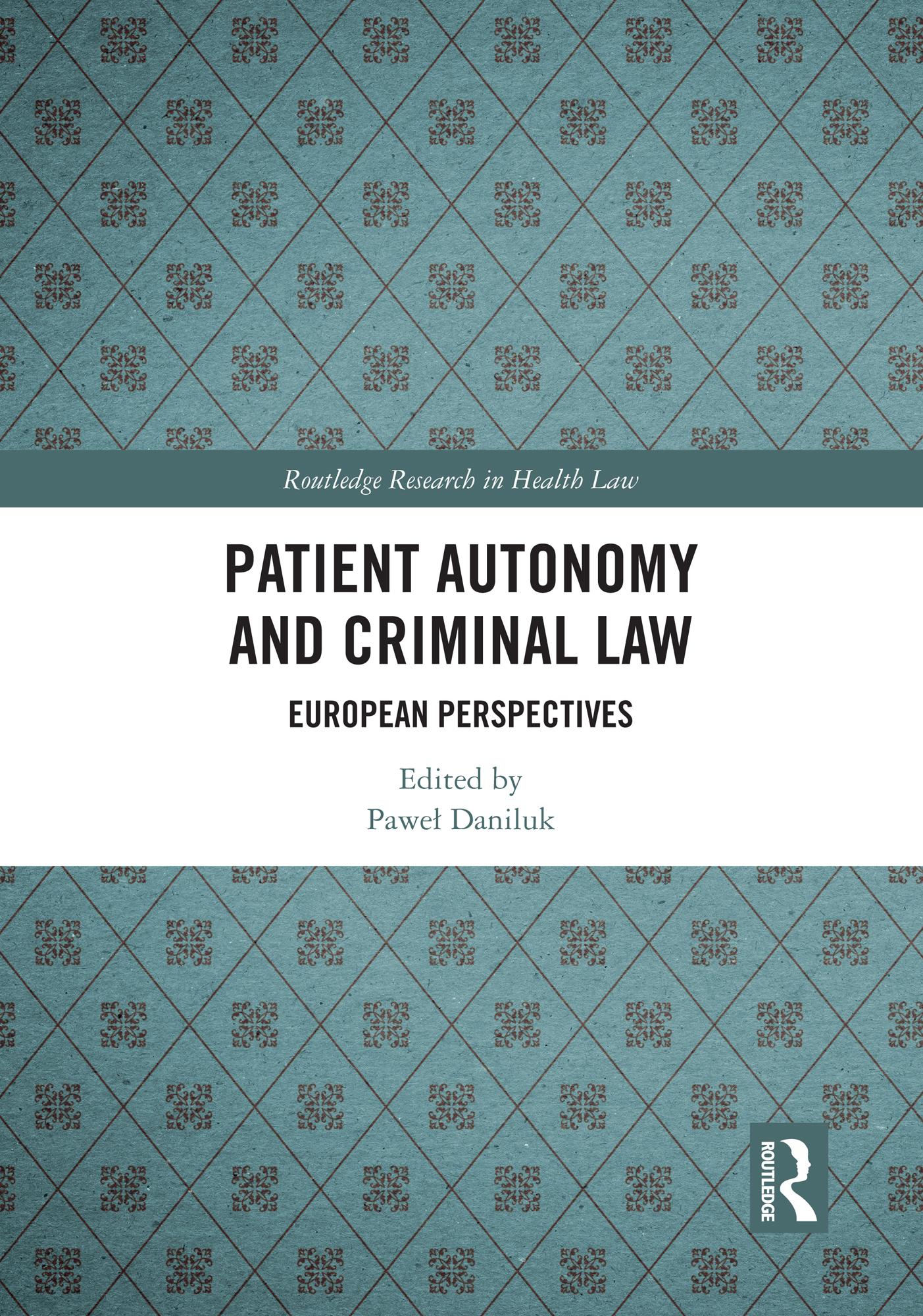
This book shows how the legal systems of individual European countries protect patient autonomy. In particular, it explains the role of criminal law, that is, what criminal law protection of patient autonomy looks like on a European scale in both legal and social dimensions. Despite EU integration processes, the work illustrates that the legal orders of individual European countries are far from uniform in this area. The concept of patient autonomy here is generally in the context of the patient's freedom from unwanted medical activities: the so-called negative freedom. At the same time, in countries where there are no regulations clearly criminalising the performance of a therapeutic activity without the patient's consent, the so-called positive freedom is also discussed. The book will be a valuable reference work for academics, researchers and policy-makers working in Health Law, Medical Ethics, Applied Ethics and Criminal Law.
Maksa helposti kortilla, Klarnalla, Apple Paylla tai Google Paylla. Etkö ole tyytyväinen? Sinulla on aina 14 päivän palautusoikeus. Lue lisää ehdoistamme. Jos sinulla on kysyttävää, lähetä meille sähköpostia osoitteeseen hello@memmo.org.
Memmo tekee opiskelusta helpompaa – missä päin maailmaa ikinä oletkin. Meillä yhdistät kurssikirjat ja fiksut opiskelutyökalut yhteen paikkaan: tiivistelmät, visat, podcastit ja muistikortit. Ja sitten Ted, opiskelukaverisi, joka vastaa kaikkeen, mitä ikinä mietitkin. Yli 50 000 opiskelijaa opiskelee jo täällä – rakennettu auttamaan sinua oppimaan nopeammin ja stressaamaan vähemmän.
Saatat pitää myös näistä
Osta kirja0