
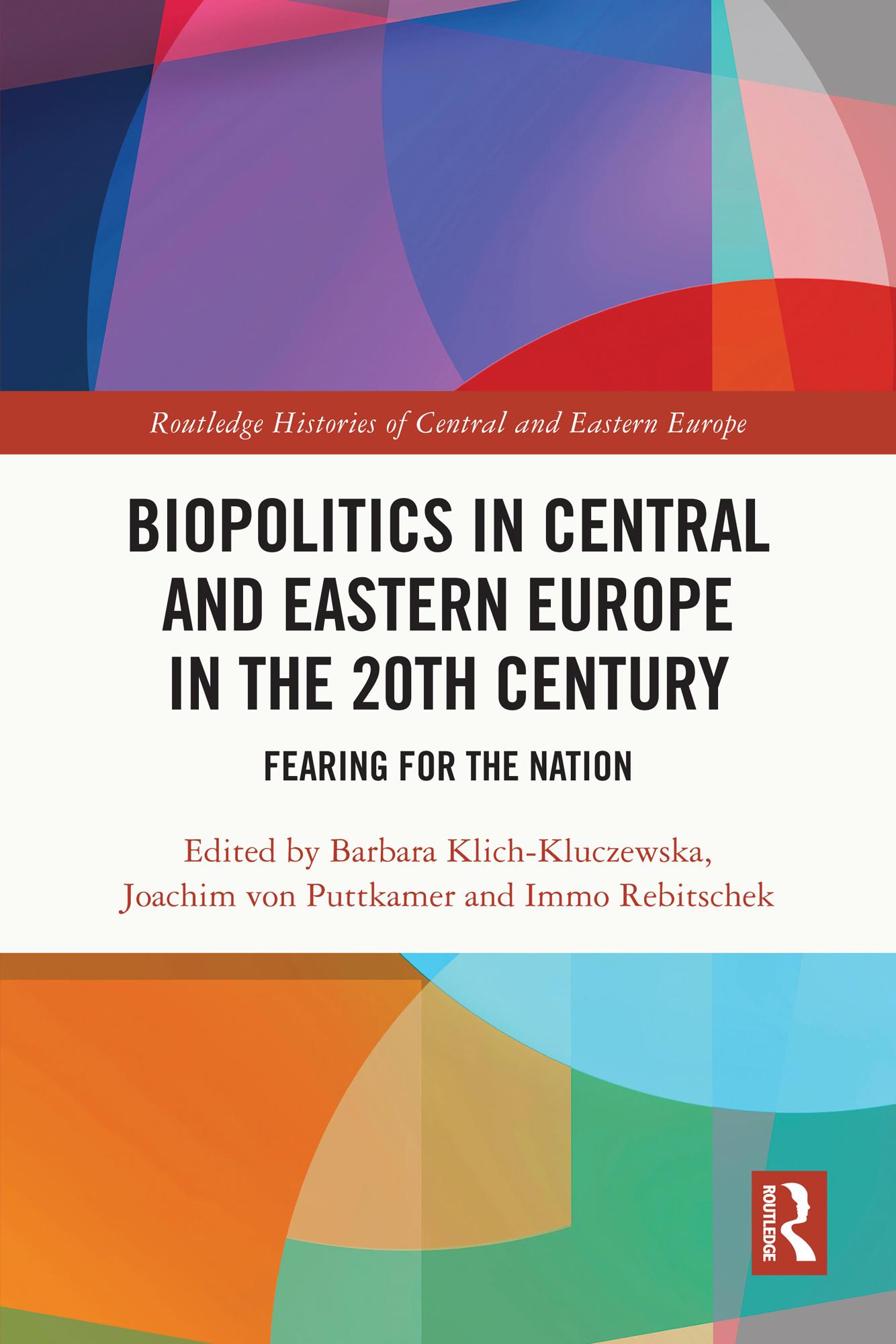
The field of biopolitics encompasses issues from health and hygiene, birth rates, fertility and sexuality, life expectancy and demography to eugenics and racial regimes. This book is the first to provide a comprehensive view on these issues for Central and Eastern Europe in the twentieth century.
The cataclysms of imperial collapse, World War(s) and the Holocaust but also the rise of state socialism after 1945 provided extraordinary and distinct conditions for the governing of life and death. The volume collects the latest research and empirical studies from the region to showcase the diversity of biopolitical regimes in their regional and global context – from hunger relief for Hungarian children after the First World War to abortion legislation in communist Poland. It underlines the similarities as well, demonstrating how biopolitical strategies in this area often revolved around the notion of an endangered nation; and how ideological schemes and post-imperial experiences in Eastern Europe further complicate a 'western' understanding of democratic participatory and authoritarian repressive biopolitics.
The new geographical focus invites scholars and students of social and human sciences to reconsider established perspectives on the history of population management and the history of Europe.
Maksa helposti kortilla, Klarnalla, Apple Paylla tai Google Paylla. Etkö ole tyytyväinen? Sinulla on aina 14 päivän palautusoikeus. Lue lisää ehdoistamme. Jos sinulla on kysyttävää, lähetä meille sähköpostia osoitteeseen hello@memmo.org.
Memmo tekee opiskelusta helpompaa – missä päin maailmaa ikinä oletkin. Meillä yhdistät kurssikirjat ja fiksut opiskelutyökalut yhteen paikkaan: tiivistelmät, visat, podcastit ja muistikortit. Ja sitten Ted, opiskelukaverisi, joka vastaa kaikkeen, mitä ikinä mietitkin. Yli 50 000 opiskelijaa opiskelee jo täällä – rakennettu auttamaan sinua oppimaan nopeammin ja stressaamaan vähemmän.