
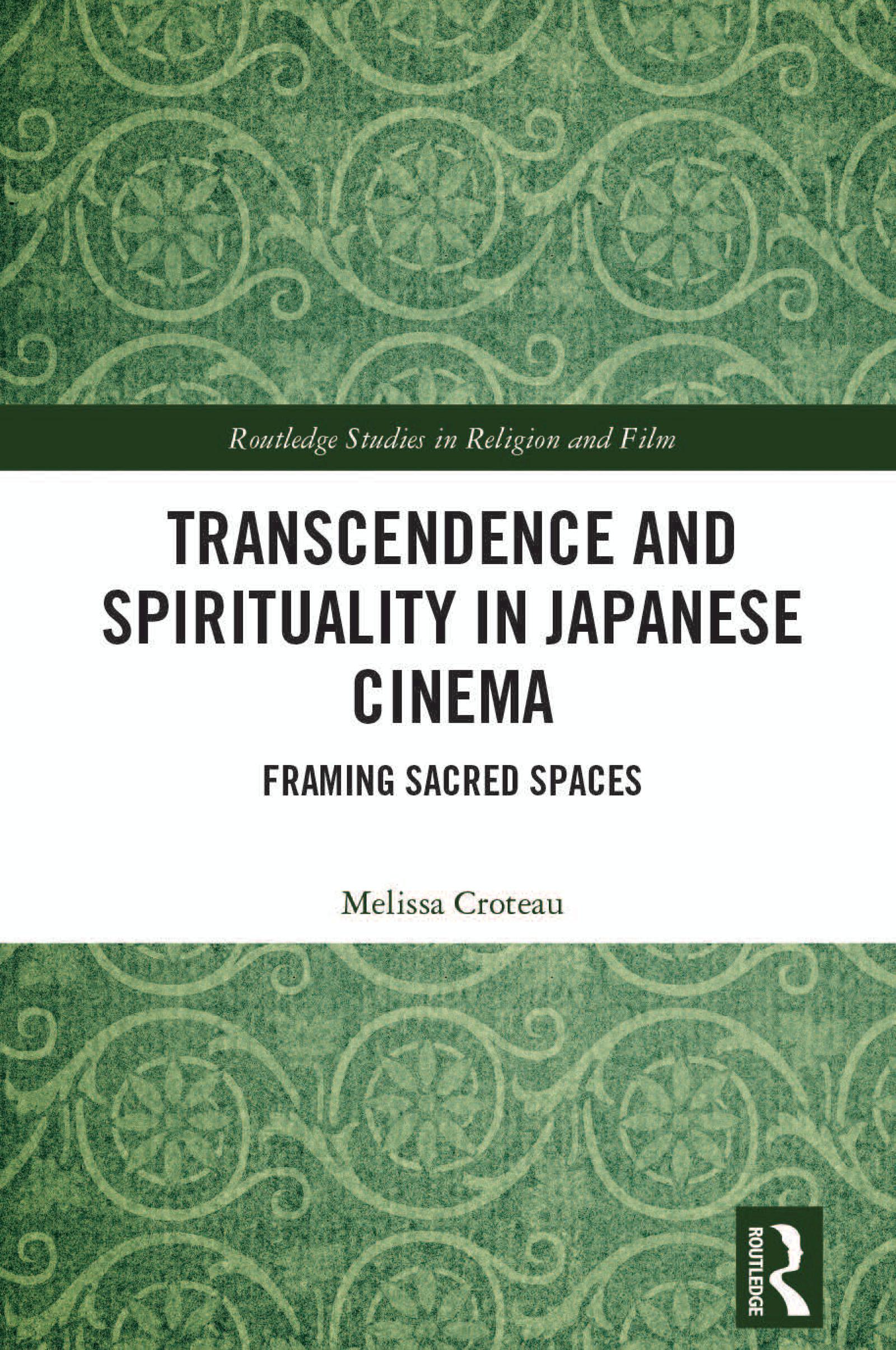
This book explores significant representations of Shinto and Buddhist sacred space, spiritual symbols, and religious concepts that are embedded in the secular framework of Japanese films aimed at general audiences in Japan and globally. These cinematic masterpieces by directors Akira Kurosawa, Hayao Miyazaki, Hirokazu Kore-eda, and Makoto Shinkai operate as expressions of and, potentially, catalysts for transcendence of various kinds, particularly during the Heisei era (1989–2019), when Japan experienced severe economic hardship and devastating natural disasters. The book’s approach to aesthetics and religion employs the multifaceted concepts of ma (structuring intervals, liminal space-time), kū (emptiness, sky), mono no aware (compassionate sensibility, resigned sadness), and musubi (generative interconnection), examining the dynamic, evolving nature of these ancient principles that are at once spiritual, aesthetic, and philosophical. Scholars and enthusiasts of Japanese cinema (live action and anime), religion and film, cinematic aesthetics, and the relationship between East Asian religions and the arts will find fresh perspectives on these in this book, which moves beyond conventional notions of transcendental style and essentialized approaches to the multivalent richness of Japanese aesthetics.
Maksa helposti kortilla, Klarnalla, Apple Paylla tai Google Paylla. Etkö ole tyytyväinen? Sinulla on aina 14 päivän palautusoikeus. Lue lisää ehdoistamme. Jos sinulla on kysyttävää, lähetä meille sähköpostia osoitteeseen hello@memmo.org.
Memmo tekee opiskelusta helpompaa – missä päin maailmaa ikinä oletkin. Meillä yhdistät kurssikirjat ja fiksut opiskelutyökalut yhteen paikkaan: tiivistelmät, visat, podcastit ja muistikortit. Ja sitten Ted, opiskelukaverisi, joka vastaa kaikkeen, mitä ikinä mietitkin. Yli 50 000 opiskelijaa opiskelee jo täällä – rakennettu auttamaan sinua oppimaan nopeammin ja stressaamaan vähemmän.