
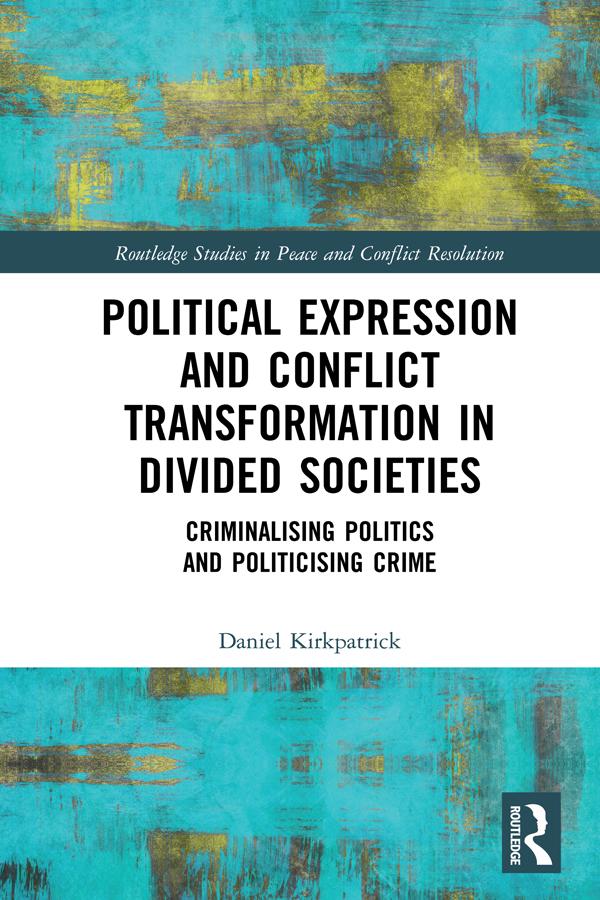
This book considers how the social construction of crime and the criminalising of political expression impact upon different stages in a violent political conflict.
The freedom to express our political opinions is regarded as an essential human right throughout most of the world, and yet, in defence of our security, governments often place various restrictions on it. This book directly considers what these restrictions are in the context of deeply divided societies to understand how they impact upon intergroup relations in four different contexts: nonviolent movements, counter-insurgency, peace negotiations, and post-settlement peacebuilding. Drawing on an extensive body of original interviews and archival material, the volume analyses this relationship through an in-depth consideration of Northern Ireland and South Africa, followed by a wider analysis of Turkey, Sri Lanka, Belgium, and Canada. The overarching argument is that the implications of criminalising political expression depend on both its ‘target’ and the wider social reality it contributes towards.
This book will be of much interest to students of conflict resolution, transitional justice, law, and International Relations.
Maksa helposti kortilla, Klarnalla, Apple Paylla tai Google Paylla. Etkö ole tyytyväinen? Sinulla on aina 14 päivän palautusoikeus. Lue lisää ehdoistamme. Jos sinulla on kysyttävää, lähetä meille sähköpostia osoitteeseen hello@memmo.org.
Memmo tekee opiskelusta helpompaa – missä päin maailmaa ikinä oletkin. Meillä yhdistät kurssikirjat ja fiksut opiskelutyökalut yhteen paikkaan: tiivistelmät, visat, podcastit ja muistikortit. Ja sitten Ted, opiskelukaverisi, joka vastaa kaikkeen, mitä ikinä mietitkin. Yli 50 000 opiskelijaa opiskelee jo täällä – rakennettu auttamaan sinua oppimaan nopeammin ja stressaamaan vähemmän.