
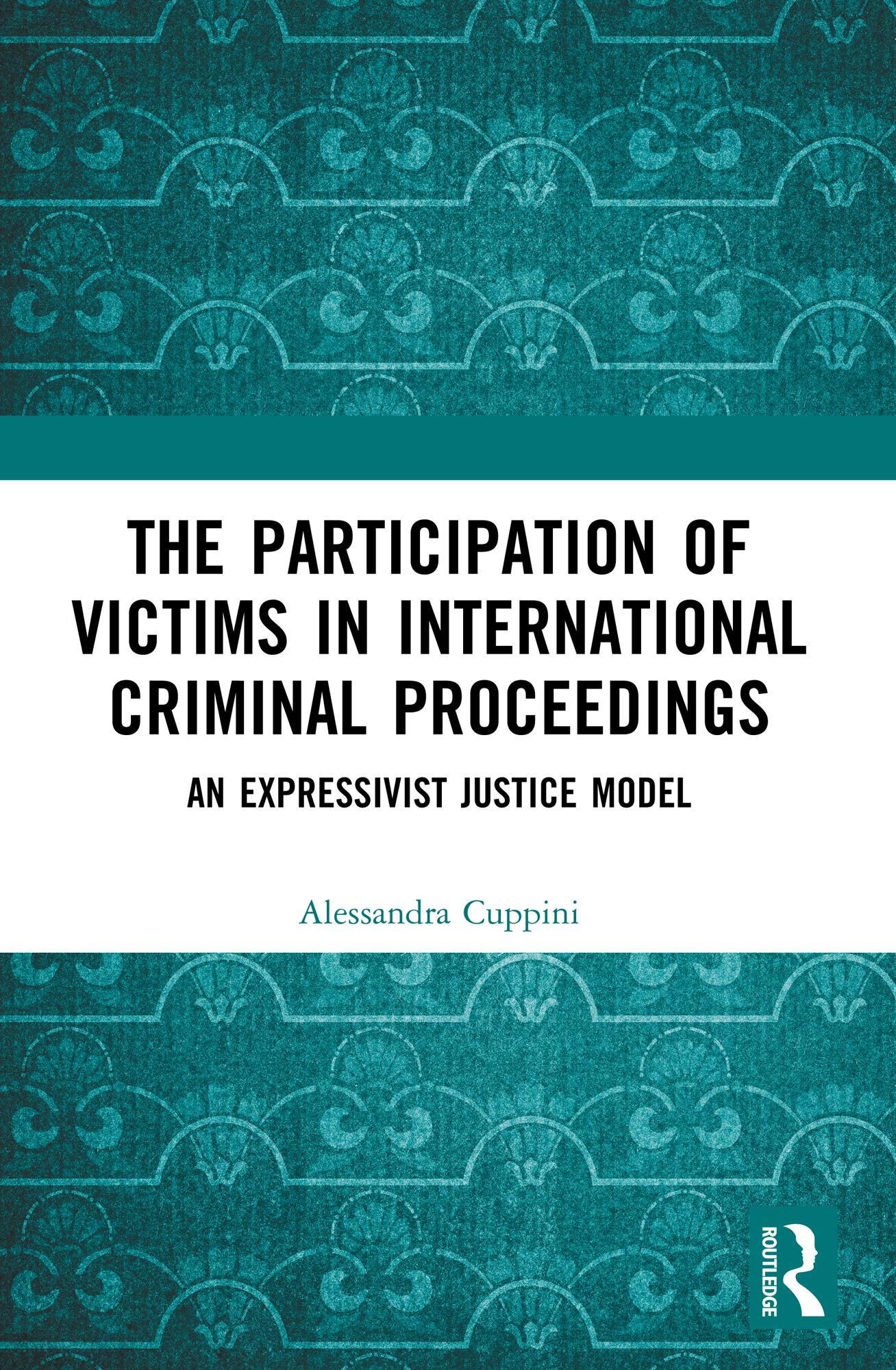
This book argues that the expressivist justice model provides a meaningful foundation for the participation of victims in international criminal proceedings.
Traditional criminal justice theories have tended to marginalise the role afforded to victims while informing the criminal procedures utilised by international criminal courts. As a result, giving content to, shaping, and enhancing victims’ participatory rights have been some of the most debated issues in international criminal justice. This book contributes to this debate by advancing expressivism, which has the capacity to create a historical narrative of gross human rights violations, as a core of international criminal justice able to provide a worthwhile basis for the participation of victims in proceedings and clarifying the scope and content of their participatory rights. The work provides an in-depth discussion on issues related to victims’ participatory rights from the perspective of international human rights law, victimology, and the philosophical foundation of international criminal justice.
The book will be a valuable resource for researchers, academics, and policymakers working in the areas of international criminal justice, international human rights law, transitional justice, and conflict studies.
Maksa helposti kortilla, Klarnalla, Apple Paylla tai Google Paylla. Etkö ole tyytyväinen? Sinulla on aina 14 päivän palautusoikeus. Lue lisää ehdoistamme. Jos sinulla on kysyttävää, lähetä meille sähköpostia osoitteeseen hello@memmo.org.
Memmo tekee opiskelusta helpompaa – missä päin maailmaa ikinä oletkin. Meillä yhdistät kurssikirjat ja fiksut opiskelutyökalut yhteen paikkaan: tiivistelmät, visat, podcastit ja muistikortit. Ja sitten Ted, opiskelukaverisi, joka vastaa kaikkeen, mitä ikinä mietitkin. Yli 50 000 opiskelijaa opiskelee jo täällä – rakennettu auttamaan sinua oppimaan nopeammin ja stressaamaan vähemmän.