
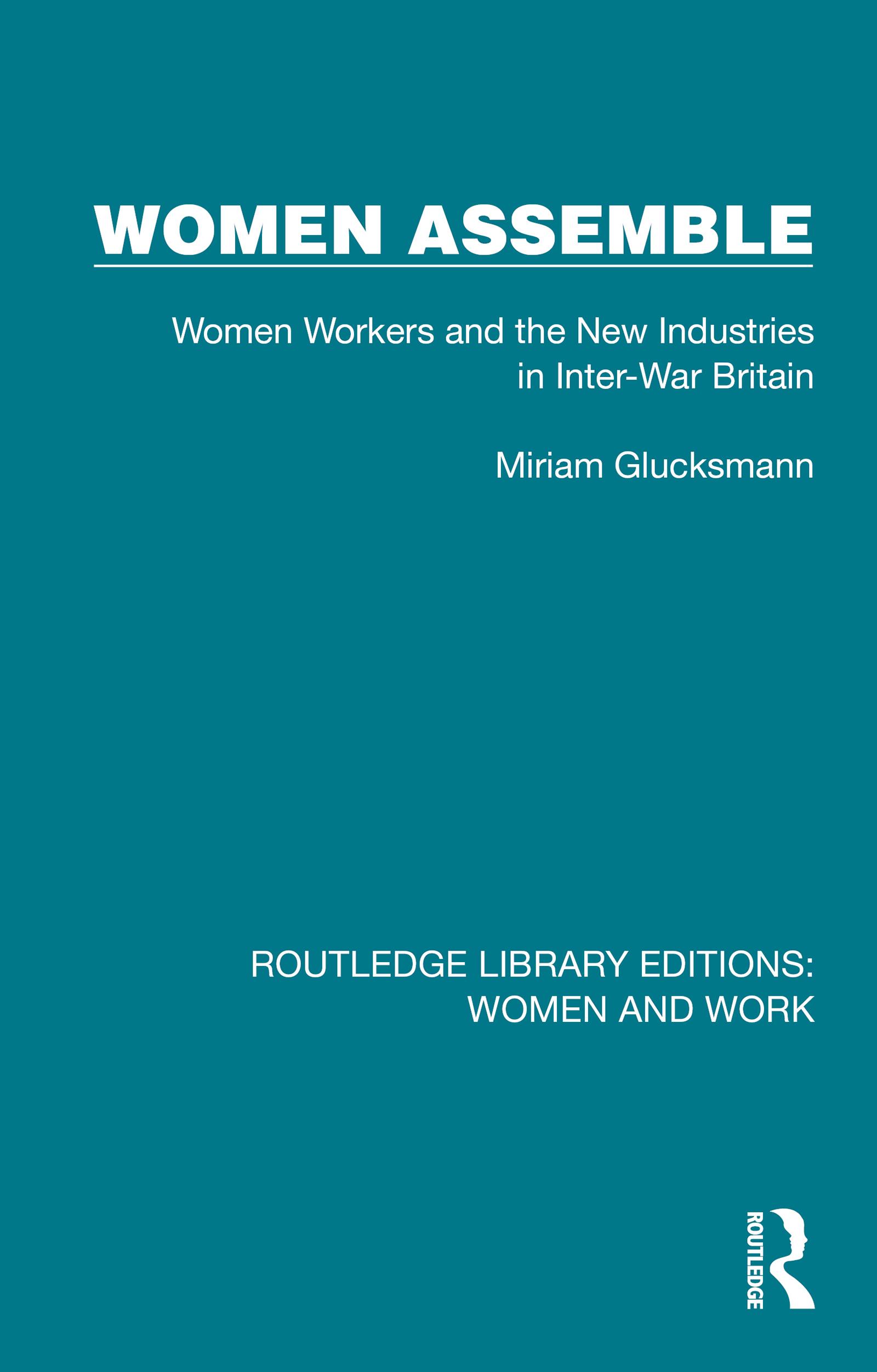
Why did working-class women become the central labour force on assembly lines in the new consumer goods’ industries of the inter-war period? What was the long-term significance of this for the pattern of women’s work, both in paid employment and in the home?
Originally published in 1990, Women Assemble fills a major gap in the history of women and work, and develops a theory of women’s class relations, and of course gender and class more generally, by means of an original case-study. Taken from a wide variety of sources, it uses a multidisciplinary approach and is brought to life by interviews with people who worked in assembly-line industries during the inter-war period.
This extremely readable study is important to feminists, historians, and sociologists, as well as to all those concerned with issues of gender, class, and the labour process.
Maksa helposti kortilla, Klarnalla, Apple Paylla tai Google Paylla. Etkö ole tyytyväinen? Sinulla on aina 14 päivän palautusoikeus. Lue lisää ehdoistamme. Jos sinulla on kysyttävää, lähetä meille sähköpostia osoitteeseen hello@memmo.org.
Memmo tekee opiskelusta helpompaa – missä päin maailmaa ikinä oletkin. Meillä yhdistät kurssikirjat ja fiksut opiskelutyökalut yhteen paikkaan: tiivistelmät, visat, podcastit ja muistikortit. Ja sitten Ted, opiskelukaverisi, joka vastaa kaikkeen, mitä ikinä mietitkin. Yli 50 000 opiskelijaa opiskelee jo täällä – rakennettu auttamaan sinua oppimaan nopeammin ja stressaamaan vähemmän.