
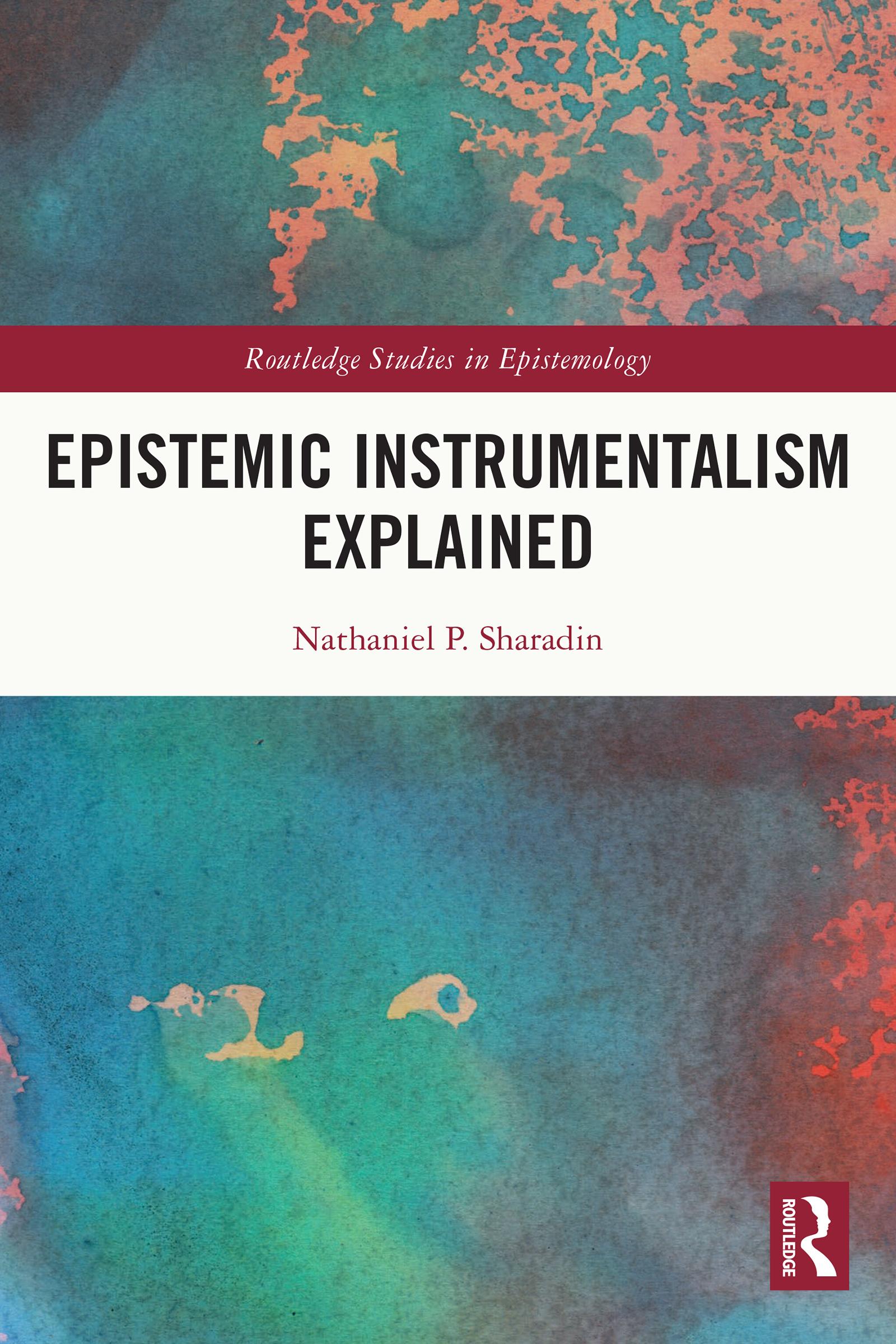
Do epistemic requirements vary along with facts about what promotes agents' well-being? Epistemic instrumentalists say 'yes', and thereby earn a lot of contempt. This contempt is a mistake on two counts. First, it is incorrectly based: the reasons typically given for it are misguided. Second, it fails to distinguish between first- and second-order epistemic instrumentalism; and, it happens, only the former is contemptible.
In this book, Nathaniel P. Sharadin argues for rejecting epistemic instrumentalism as a first-order view not because it suffers extensional failures, but because it suffers explanatory ones. By contrast, he argues that epistemic instrumentalism offers a natural, straightforward explanation of why being epistemically correct matters. What emerges is a second-order instrumentalist explanation for epistemic authority that is neutral between competing first-order epistemic theories. This neutrality is an advantage. But, drawing on work from cognitive science and psychology, Sharadin argues that instrumentalists can abandon that neutrality in order to adopt a view he calls epistemic ecologism.
Epistemic Instrumentalism Explained will be of interest to researchers and advanced students working in epistemology, ethics, and philosophy of mind.
Maksa helposti kortilla, Klarnalla, Apple Paylla tai Google Paylla. Etkö ole tyytyväinen? Sinulla on aina 14 päivän palautusoikeus. Lue lisää ehdoistamme. Jos sinulla on kysyttävää, lähetä meille sähköpostia osoitteeseen hello@memmo.org.
Memmo tekee opiskelusta helpompaa – missä päin maailmaa ikinä oletkin. Meillä yhdistät kurssikirjat ja fiksut opiskelutyökalut yhteen paikkaan: tiivistelmät, visat, podcastit ja muistikortit. Ja sitten Ted, opiskelukaverisi, joka vastaa kaikkeen, mitä ikinä mietitkin. Yli 50 000 opiskelijaa opiskelee jo täällä – rakennettu auttamaan sinua oppimaan nopeammin ja stressaamaan vähemmän.