
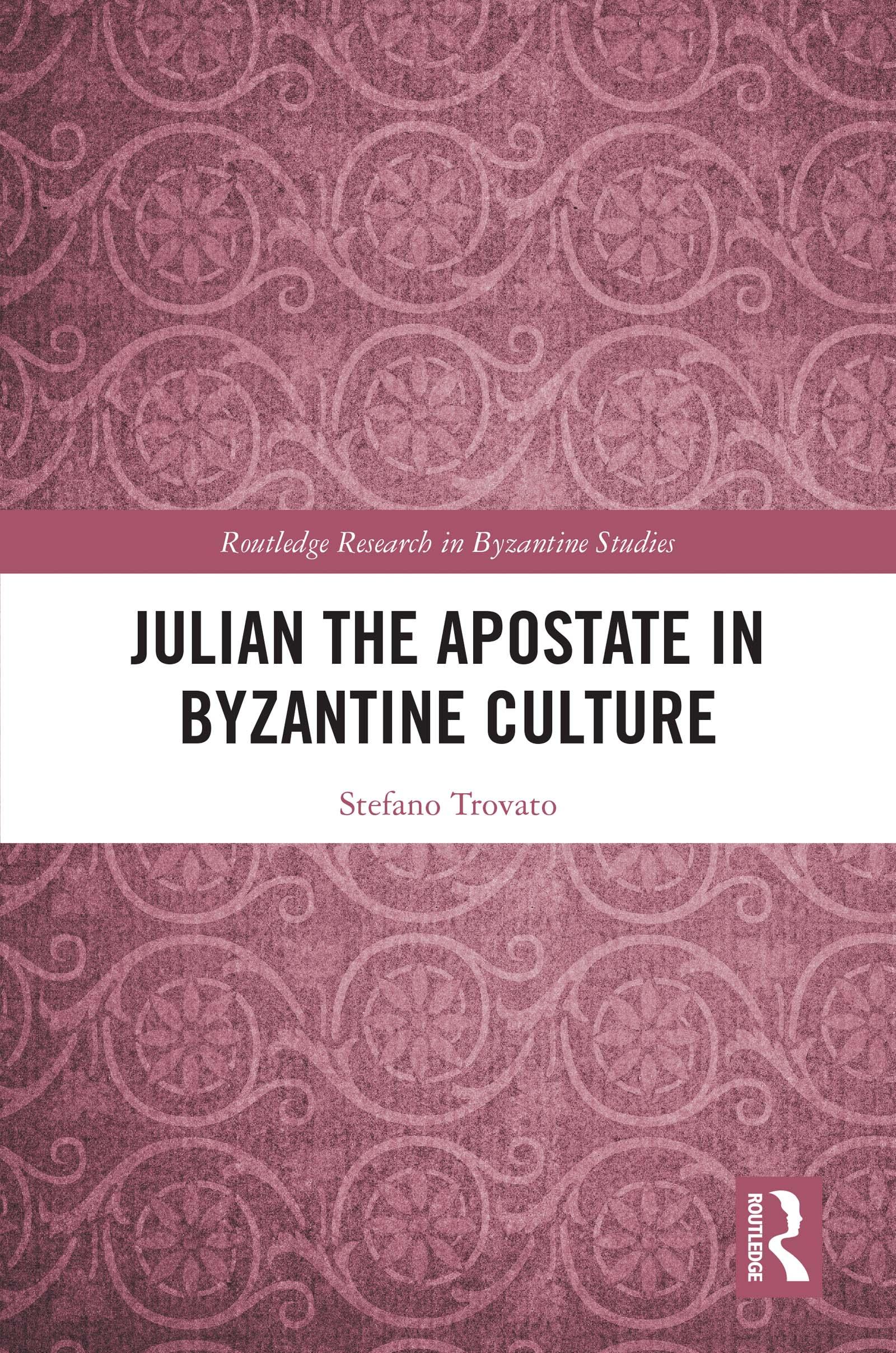
Julian, the last pagan emperor of the Roman empire, died in war in 363. In the Byzantine (that is, the Eastern Roman) empire, the figure of Julian aroused conflicting reactions: antipathy towards his apostasy but also admiration for his accomplishments, particularly as an author writing in Greek. Julian died young, and his attempt to reinstate paganism was a failure, but, paradoxically, his brief and unsuccessful policy resonated for centuries.
This book analyses Julian from the perspectives of Byzantine Culture. The history of his posthumous reputation reveals differences in cultural perspectives and it is most intriguing with regard to the Eastern Roman empire which survived for almost a millennium after the fall of the Western empire. Byzantine culture viewed Julian in multiple ways, first as the legitimate emperor of the enduring Roman empire; second as the author of works written in Greek and handed down for generations in the language that scholars, the Church, and the state administration all continued to use; and third as an open enemy of Christianity.
Julian the Apostate in Byzantine Culture will appeal to both researchers and students of Byzantine perspectives on Julian, Greco-Roman Paganism, and the Later Roman Empire, as well as those interested in Byzantine Historiography.
Maksa helposti kortilla, Klarnalla, Apple Paylla tai Google Paylla. Etkö ole tyytyväinen? Sinulla on aina 14 päivän palautusoikeus. Lue lisää ehdoistamme. Jos sinulla on kysyttävää, lähetä meille sähköpostia osoitteeseen hello@memmo.org.
Memmo tekee opiskelusta helpompaa – missä päin maailmaa ikinä oletkin. Meillä yhdistät kurssikirjat ja fiksut opiskelutyökalut yhteen paikkaan: tiivistelmät, visat, podcastit ja muistikortit. Ja sitten Ted, opiskelukaverisi, joka vastaa kaikkeen, mitä ikinä mietitkin. Yli 50 000 opiskelijaa opiskelee jo täällä – rakennettu auttamaan sinua oppimaan nopeammin ja stressaamaan vähemmän.