
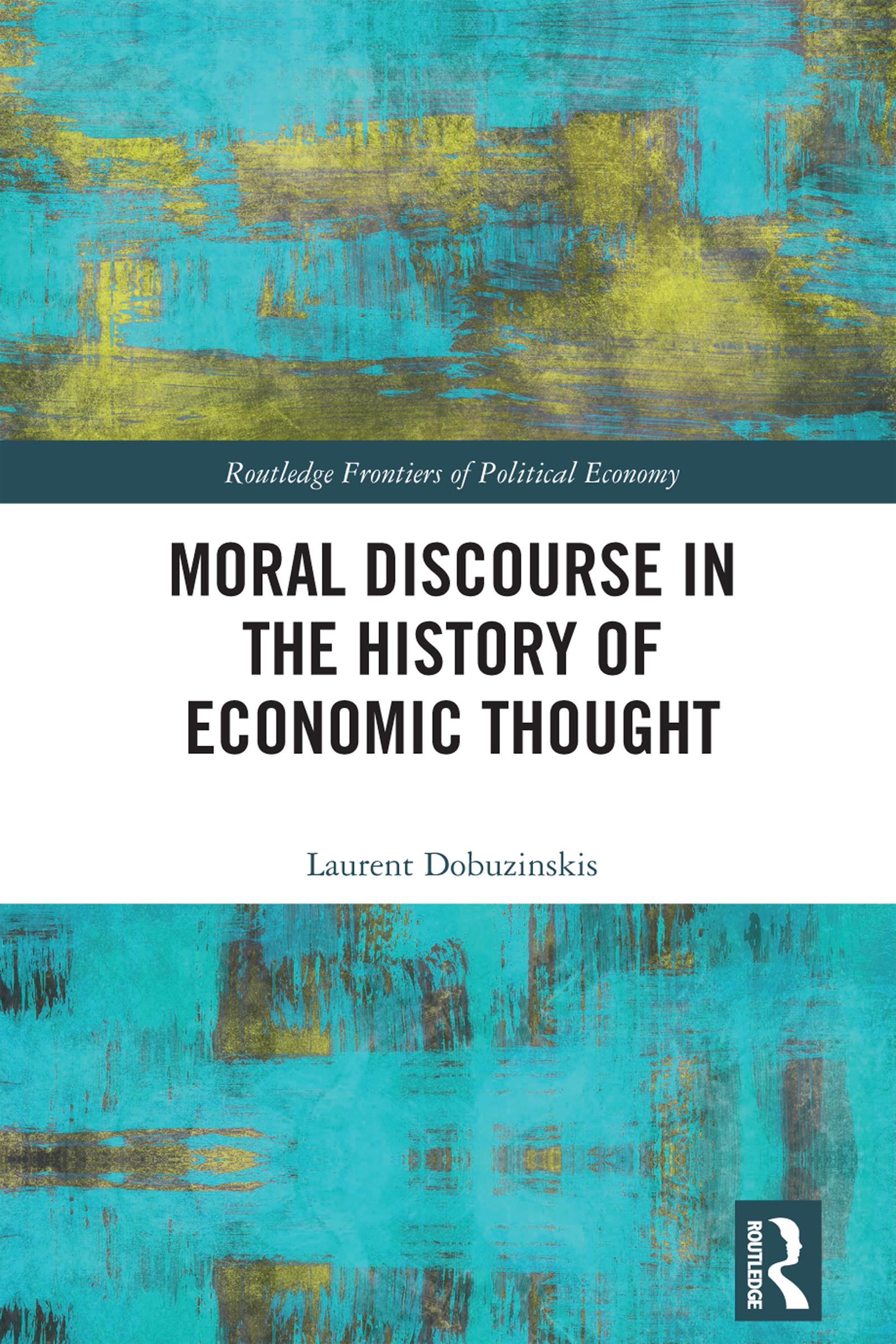
Providing an account of the development of economic thought, this book explores the extent to which economic ideas are rooted in moral values.
Adopting an approach rooted in ‘pragmatism’, the work explores key questions which have been considered by economists since the classical political economists. These include: what degree of priority ought to be granted to property rights among all individual liberties; whether uncertainties in economic life justify investing political authorities with the power to stabilize business cycles; whether it is better to trust entrepreneurial initiatives to resolve societal dilemmas or to centralize policy-making in the hands of a benevolent government. The chapters argue that economic thought has evolved from an emphasis on "sympathy" (as defined by Adam Smith) and that there has more recently been a rediscovery of the significance of sympathy reinvented as "fair reciprocity" in the wake of the emergence of behavioural economics and its connection to evolutionary psychology.
This key book is of great interest to readers in the history of ideas, political and moral philosophy, and political economy.
Maksa helposti kortilla, Klarnalla, Apple Paylla tai Google Paylla. Etkö ole tyytyväinen? Sinulla on aina 14 päivän palautusoikeus. Lue lisää ehdoistamme. Jos sinulla on kysyttävää, lähetä meille sähköpostia osoitteeseen hello@memmo.org.
Memmo tekee opiskelusta helpompaa – missä päin maailmaa ikinä oletkin. Meillä yhdistät kurssikirjat ja fiksut opiskelutyökalut yhteen paikkaan: tiivistelmät, visat, podcastit ja muistikortit. Ja sitten Ted, opiskelukaverisi, joka vastaa kaikkeen, mitä ikinä mietitkin. Yli 50 000 opiskelijaa opiskelee jo täällä – rakennettu auttamaan sinua oppimaan nopeammin ja stressaamaan vähemmän.