
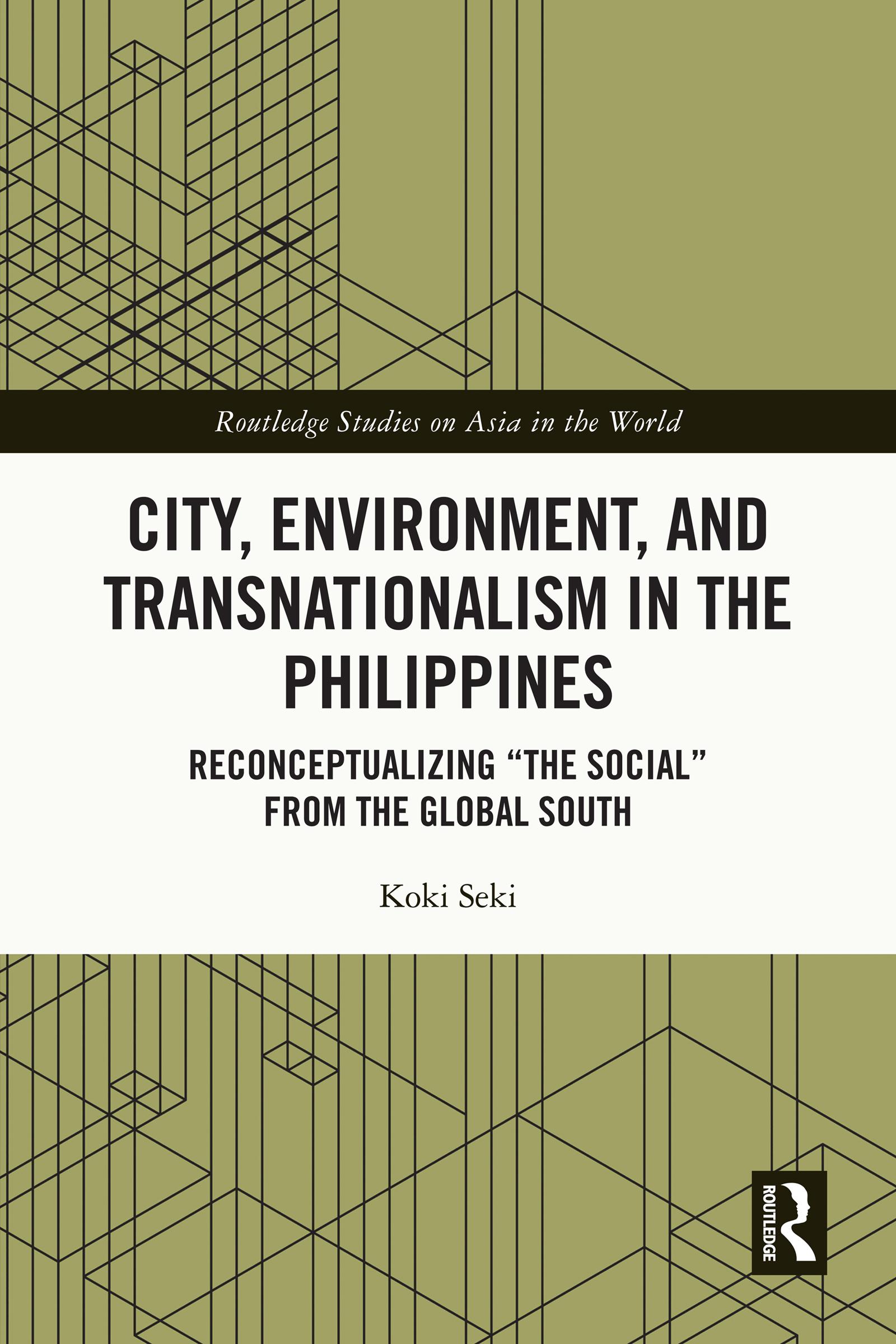
Seki presents an ethnography of uncertainty and precarity experienced by people in urban, rural, and transnational, communities in the Philippines as a case study of social protection without the possibility of a robust welfare state.
He deals with topics including urban poverty, environmental degradation, and transnational migration. Throughout these chapters, Seki elaborates on the modes of security and protection that people living at the margins of global capitalism create through mobilizing their sociality and networks. He traces the emerging configuration of "the social," a collectivity and connectedness that ensures a sense of security in life among people. The social can be defined as an idea or institution, which had enabled formal and impersonal solidarity such as that which provided the underpinnings of the modern welfare states of the West during the mid-20th century. In the twenty-first century the social in this context is experiencing a fundamental reconfiguration as it faces deepening insecurity, risk, and the precariousness of the post-Welfare State or post-Fordist regime. What are the contours of the social emerging in an "unlikely place" of the Philippines amid contemporary insecurity and precariousness?
A vital resource for scholars of the Philippines, and of anthropology and social policy in the Global South more widely.
Maksa helposti kortilla, Klarnalla, Apple Paylla tai Google Paylla. Etkö ole tyytyväinen? Sinulla on aina 14 päivän palautusoikeus. Lue lisää ehdoistamme. Jos sinulla on kysyttävää, lähetä meille sähköpostia osoitteeseen hello@memmo.org.
Memmo tekee opiskelusta helpompaa – missä päin maailmaa ikinä oletkin. Meillä yhdistät kurssikirjat ja fiksut opiskelutyökalut yhteen paikkaan: tiivistelmät, visat, podcastit ja muistikortit. Ja sitten Ted, opiskelukaverisi, joka vastaa kaikkeen, mitä ikinä mietitkin. Yli 50 000 opiskelijaa opiskelee jo täällä – rakennettu auttamaan sinua oppimaan nopeammin ja stressaamaan vähemmän.