
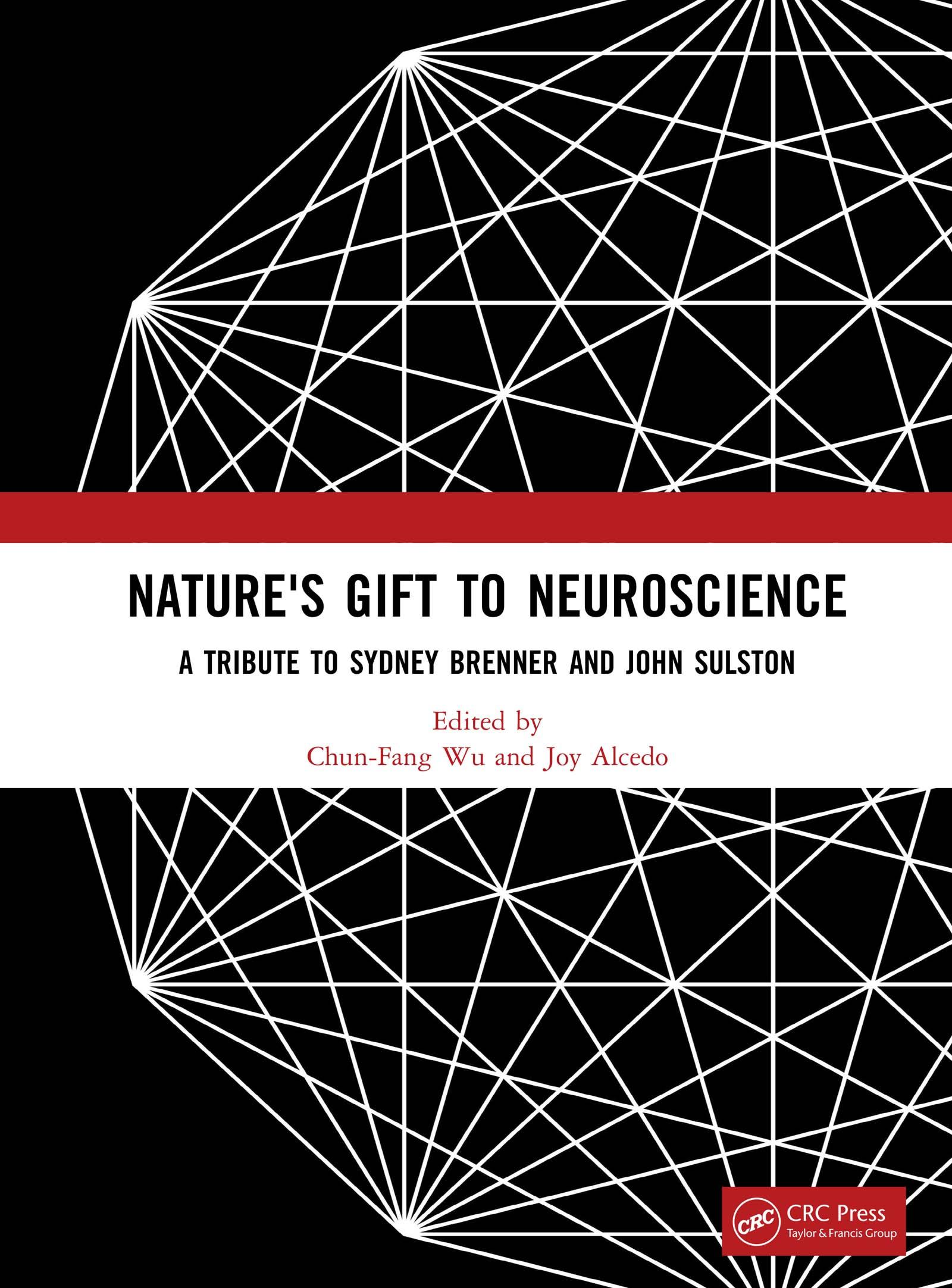
In the 1960s, Sydney Brenner proposed to use the nematode worm Caenorhabditis elegans to discover the control mechanisms of animal development and to reveal how a small number of neurons generate different behaviours, giving birth to a vibrant community that uses this animal model for their studies. Brenner was aided in his aim by John Sulston, who mapped the C. elegans cell lineages – from a single cell to the multicellular adult – which transformed the field of developmental biology.
As a tribute to these two men, this book captures the perspectives of some of the early pioneers of the worm community, from Martin Chalfie, Robert Waterston and Donald Moerman to Catherine Rankin, Antony Stretton and John White. It also includes contributions from subsequent generations of the community, who explore the development and function of the C. elegans nervous system. This book features how this animal has become one of the best models for elucidating the biology of different sensory modalities and their complex behavioural outputs, or how this animal’s survival strategies have contributed to our understanding of ageing and neurodegeneration. Thus, this volume documents the development of the C. elegans neuroscience field, from infancy to maturity.
The chapters in this book were originally published as a special issue of the Journal of Neurogenetics.
Maksa helposti kortilla, Klarnalla, Apple Paylla tai Google Paylla. Etkö ole tyytyväinen? Sinulla on aina 14 päivän palautusoikeus. Lue lisää ehdoistamme. Jos sinulla on kysyttävää, lähetä meille sähköpostia osoitteeseen hello@memmo.org.
Memmo tekee opiskelusta helpompaa – missä päin maailmaa ikinä oletkin. Meillä yhdistät kurssikirjat ja fiksut opiskelutyökalut yhteen paikkaan: tiivistelmät, visat, podcastit ja muistikortit. Ja sitten Ted, opiskelukaverisi, joka vastaa kaikkeen, mitä ikinä mietitkin. Yli 50 000 opiskelijaa opiskelee jo täällä – rakennettu auttamaan sinua oppimaan nopeammin ja stressaamaan vähemmän.