
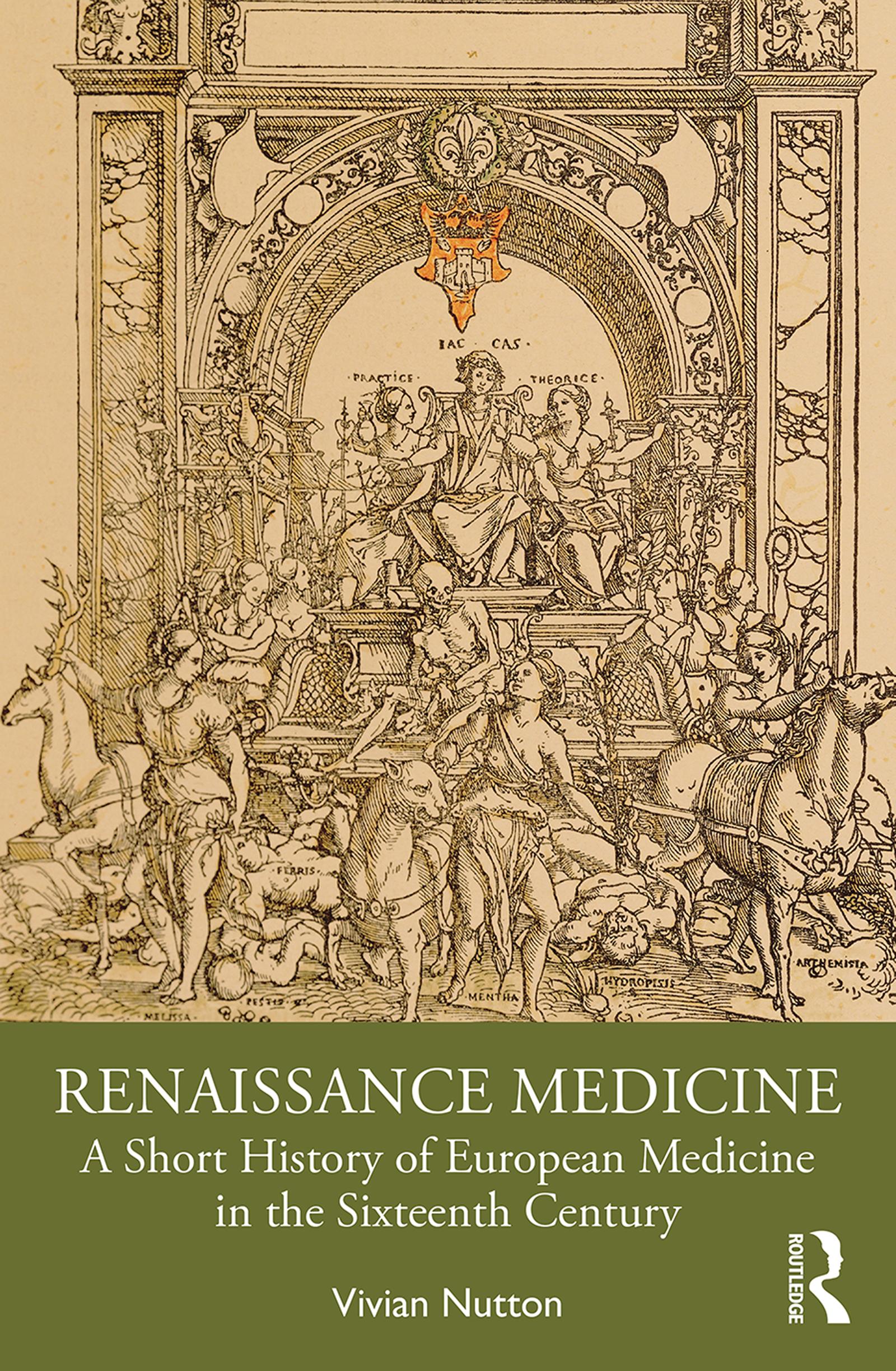
This volume offers a comprehensive historical survey of medicine in sixteenth-century Europe and examines both medical theories and practices within their intellectual and social context.
Nutton investigates the changes brought about in medicine by the opening-up of the European world to new drugs and new diseases, such as syphilis and the Sweat, and by the development of printing and more efficient means of communication. Chapters examine how civic institutions such as Health Boards, hospitals, town doctors and healers became more significant in the fight against epidemic disease, and special attention is given to the role of women and domestic medicine. The final section, on beliefs, explores the revised Galenism of academic medicine, including a new emphasis on anatomy and its most vocal antagonists, Paracelsians. The volume concludes by considering the effect of religious changes on medicine, including the marginalisation, and often expulsion, of non-Christian practitioners.
Based on a wide reading of primary sources from literature and art across Europe, Renaissance Medicine is an invaluable resource for students and scholars of the history of medicine and disease in the sixteenth century.
Maksa helposti kortilla, Klarnalla, Apple Paylla tai Google Paylla. Etkö ole tyytyväinen? Sinulla on aina 14 päivän palautusoikeus. Lue lisää ehdoistamme. Jos sinulla on kysyttävää, lähetä meille sähköpostia osoitteeseen hello@memmo.org.
Memmo tekee opiskelusta helpompaa – missä päin maailmaa ikinä oletkin. Meillä yhdistät kurssikirjat ja fiksut opiskelutyökalut yhteen paikkaan: tiivistelmät, visat, podcastit ja muistikortit. Ja sitten Ted, opiskelukaverisi, joka vastaa kaikkeen, mitä ikinä mietitkin. Yli 50 000 opiskelijaa opiskelee jo täällä – rakennettu auttamaan sinua oppimaan nopeammin ja stressaamaan vähemmän.