
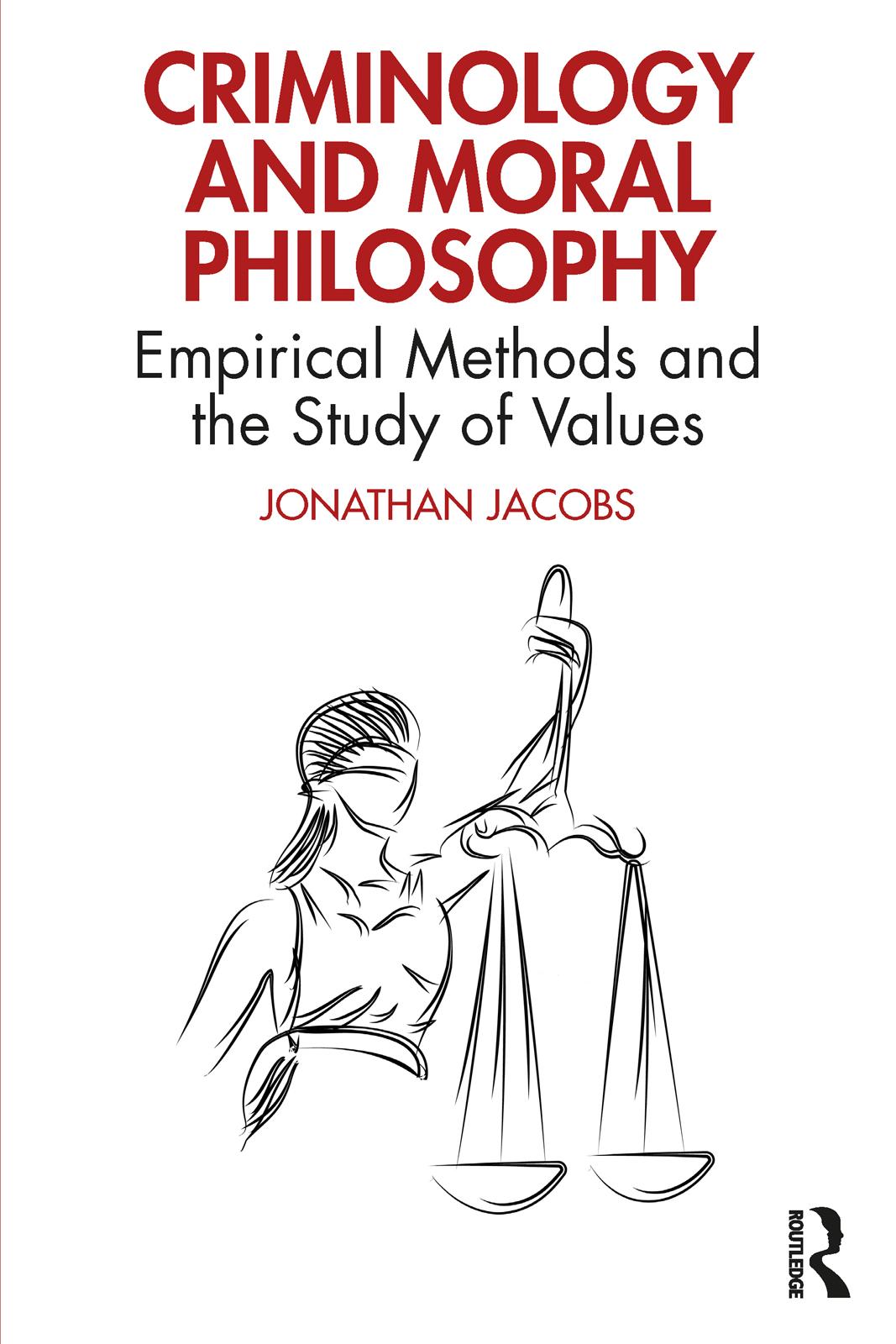
The book examines some of the most important forms of normativity and the relation between facts and values in the context of criminological investigation. In recent decades numerous criminologists have argued that criminology needs to be more explicitly concerned with normative considerations and with morality and this book explains the plausibility of that view and of empirically rigorous non-positivist study of moral values. Hume is often regarded as a key figure in separating facts from values and he was a formidable opponent of moral rationalism. Yet, in his own moral philosophy he sought to explicate the genuineness and authority of moral considerations without endorsing some implausible positivist interpretations of a putative fact/value distinction. The significance of Hume’s view and its implications for the empirical study of morality are explored.
The book discusses several layers of normativity explored by criminological investigation including:
- The relation between law and morality
- the concept of the Rule of Law
- the normativity of the notion of criminality
- the justification of sanction
- the presence and significance of moral considerations
This book will be of interest to students taking upper-level courses on criminal justice ethics, punishment, political theory, jurisprudence, and social philosophy.
Maksa helposti kortilla, Klarnalla, Apple Paylla tai Google Paylla. Etkö ole tyytyväinen? Sinulla on aina 14 päivän palautusoikeus. Lue lisää ehdoistamme. Jos sinulla on kysyttävää, lähetä meille sähköpostia osoitteeseen hello@memmo.org.
Memmo tekee opiskelusta helpompaa – missä päin maailmaa ikinä oletkin. Meillä yhdistät kurssikirjat ja fiksut opiskelutyökalut yhteen paikkaan: tiivistelmät, visat, podcastit ja muistikortit. Ja sitten Ted, opiskelukaverisi, joka vastaa kaikkeen, mitä ikinä mietitkin. Yli 50 000 opiskelijaa opiskelee jo täällä – rakennettu auttamaan sinua oppimaan nopeammin ja stressaamaan vähemmän.