
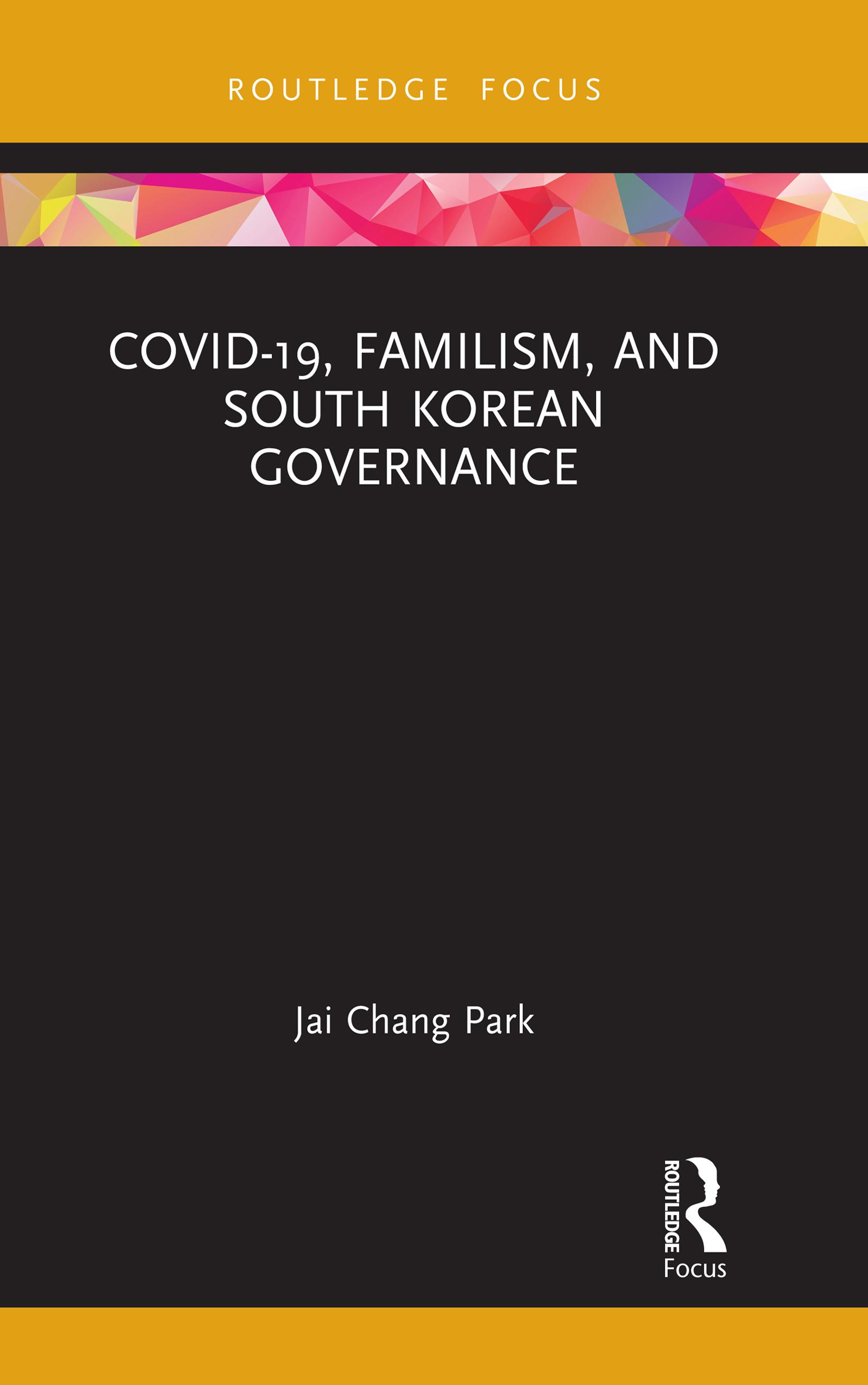
This book traces the factors that contributed to the success in controlling the COVID-19 pandemic in South Korea and identifies the concept of familism as a major environmental factor.
The government of South Korea has achieved remarkable outcomes in its COVID-19 response, despite the fact that South Korea usually promotes a family-focused investment of resources at the expense of broader social goals. The author eschews these western cultural biases in theories of crisis management and suggests that the key component of South Korea’s success is not self-centered egotism of individuals but a focus on family and familism, which projects state as an extension of family. He argues that while the success in managing the COVID-19 epidemic is due to a combination of factors, familism has been a key force in driving this successful response to the COVID-19 outbreak.
The book will be of interest to scholars and students of governance, crisis management, civil society, and citizen’s participation in public administration, international relations, Asian studies, and cultural studies and Confucianism.
Maksa helposti kortilla, Klarnalla, Apple Paylla tai Google Paylla. Etkö ole tyytyväinen? Sinulla on aina 14 päivän palautusoikeus. Lue lisää ehdoistamme. Jos sinulla on kysyttävää, lähetä meille sähköpostia osoitteeseen hello@memmo.org.
Memmo tekee opiskelusta helpompaa – missä päin maailmaa ikinä oletkin. Meillä yhdistät kurssikirjat ja fiksut opiskelutyökalut yhteen paikkaan: tiivistelmät, visat, podcastit ja muistikortit. Ja sitten Ted, opiskelukaverisi, joka vastaa kaikkeen, mitä ikinä mietitkin. Yli 50 000 opiskelijaa opiskelee jo täällä – rakennettu auttamaan sinua oppimaan nopeammin ja stressaamaan vähemmän.