
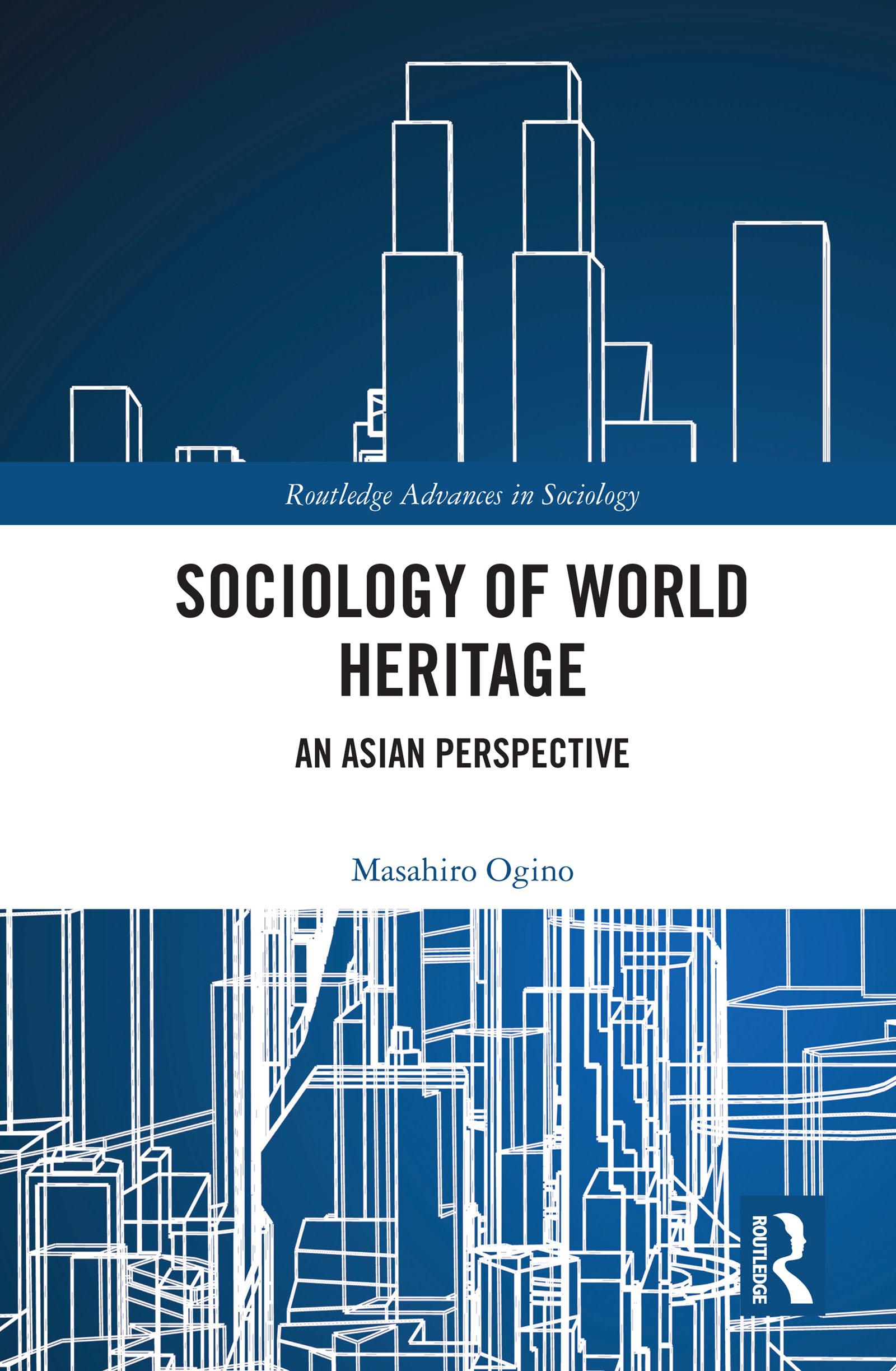
Taking mainly Japanese and other Asian case studies as examples, Ogino examines the motivations behind the preservation of objects and sites considered to be of cultural significance.
Using mainly the perspectives of Japanese approaches to cultural heritage, the book critiques the European logic of cultural heritage enshrined by UNESCO. It contrasts a Western emphasis on monuments and sites, with an Asian emphasis on more intangible forms of heritage, which place less emphasis on a linear view of time. More practically, the authors also analyse the positive and negative impacts that UNESCO-listed status has had on sites in Asia, including Angkor Wat, Nagasaki, and Lijiang. Finally, they address fundamental questions about who gets to decide what counts as cultural heritage, and what the underlying rationale is for actively preserving heritage in the first place.
This books is a thoughtful and provocative analysis of issues that will be of interest to sociologists, as well as scholars and students of cultural heritage.
Maksa helposti kortilla, Klarnalla, Apple Paylla tai Google Paylla. Etkö ole tyytyväinen? Sinulla on aina 14 päivän palautusoikeus. Lue lisää ehdoistamme. Jos sinulla on kysyttävää, lähetä meille sähköpostia osoitteeseen hello@memmo.org.
Memmo tekee opiskelusta helpompaa – missä päin maailmaa ikinä oletkin. Meillä yhdistät kurssikirjat ja fiksut opiskelutyökalut yhteen paikkaan: tiivistelmät, visat, podcastit ja muistikortit. Ja sitten Ted, opiskelukaverisi, joka vastaa kaikkeen, mitä ikinä mietitkin. Yli 50 000 opiskelijaa opiskelee jo täällä – rakennettu auttamaan sinua oppimaan nopeammin ja stressaamaan vähemmän.