
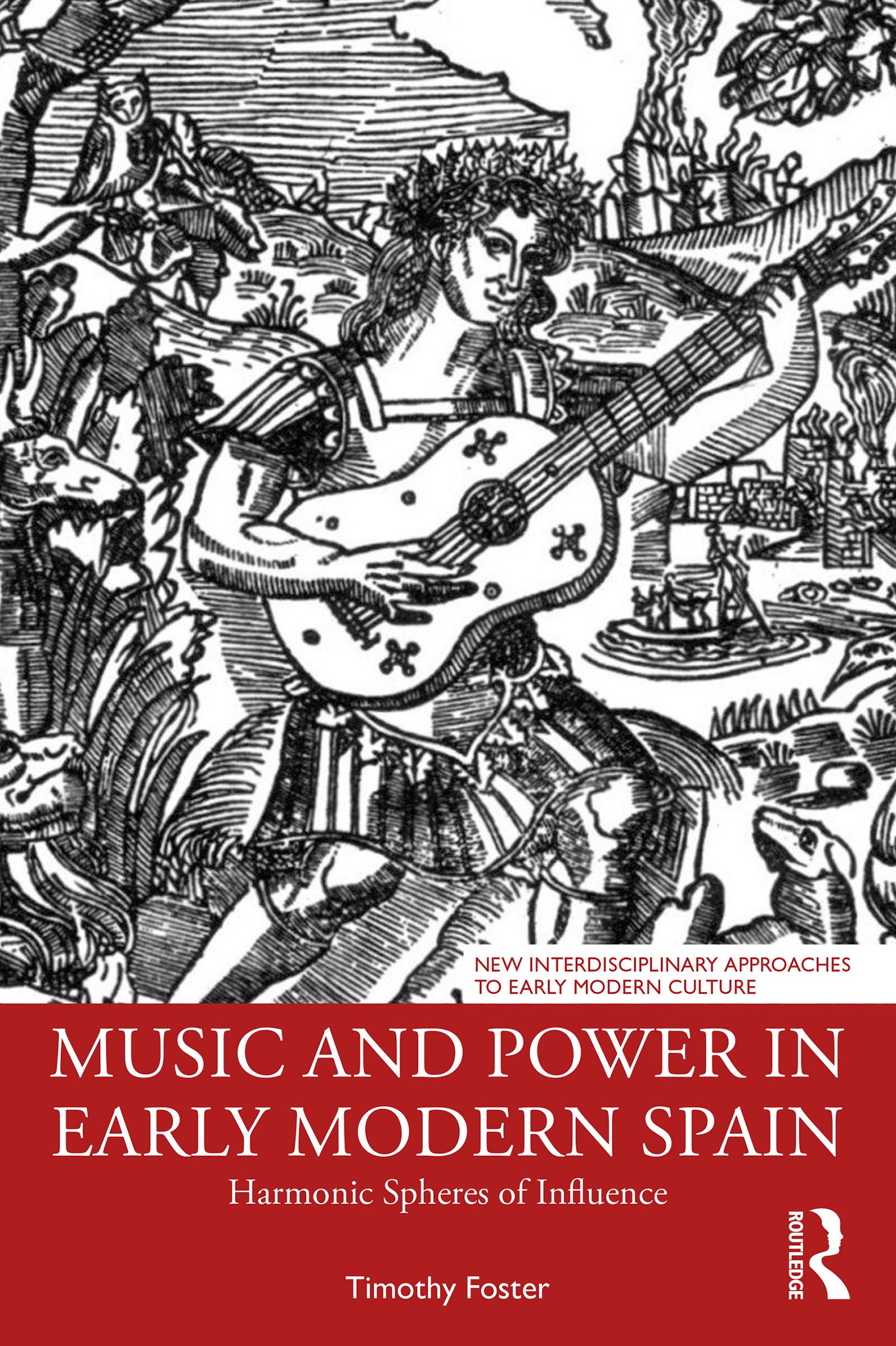
This book explores the representation of music in early modern Spanish literature and reveals how music was understood within the framework of the Harmony of the Spheres, emanating from cosmic harmony as directed by the creator.
The Harmony of Spheres was not ideologically neutral but rather tied to the earthly power structures of the Church, Crown, and nobility. Music could be "true," taking the listener closer to the divine, or "false," leading the listener astray. As such, music was increasingly seen as a potent weapon to be wielded in service of earthly centers of power, which can be observed in works such as vihuela songbooks, the colonial chronicle of the Inca Garcilaso de la Vega, and in the palace theater of Pedro Calderón de la Barca. While music could be a powerful metaphor mapping onto ideological currents of imperial Spain, this volume shows that it also became a contested site where diverse stakeholders challenged the Harmonic Spheres of Influence.
Music and Power in Early Modern Spain is a useful tool for upper-level undergraduates, postgraduates, and scholars interested in musicology, music history, Spanish literature, cultural studies, and transatlantic studies in the early modern period.
Maksa helposti kortilla, Klarnalla, Apple Paylla tai Google Paylla. Etkö ole tyytyväinen? Sinulla on aina 14 päivän palautusoikeus. Lue lisää ehdoistamme. Jos sinulla on kysyttävää, lähetä meille sähköpostia osoitteeseen hello@memmo.org.
Memmo tekee opiskelusta helpompaa – missä päin maailmaa ikinä oletkin. Meillä yhdistät kurssikirjat ja fiksut opiskelutyökalut yhteen paikkaan: tiivistelmät, visat, podcastit ja muistikortit. Ja sitten Ted, opiskelukaverisi, joka vastaa kaikkeen, mitä ikinä mietitkin. Yli 50 000 opiskelijaa opiskelee jo täällä – rakennettu auttamaan sinua oppimaan nopeammin ja stressaamaan vähemmän.