
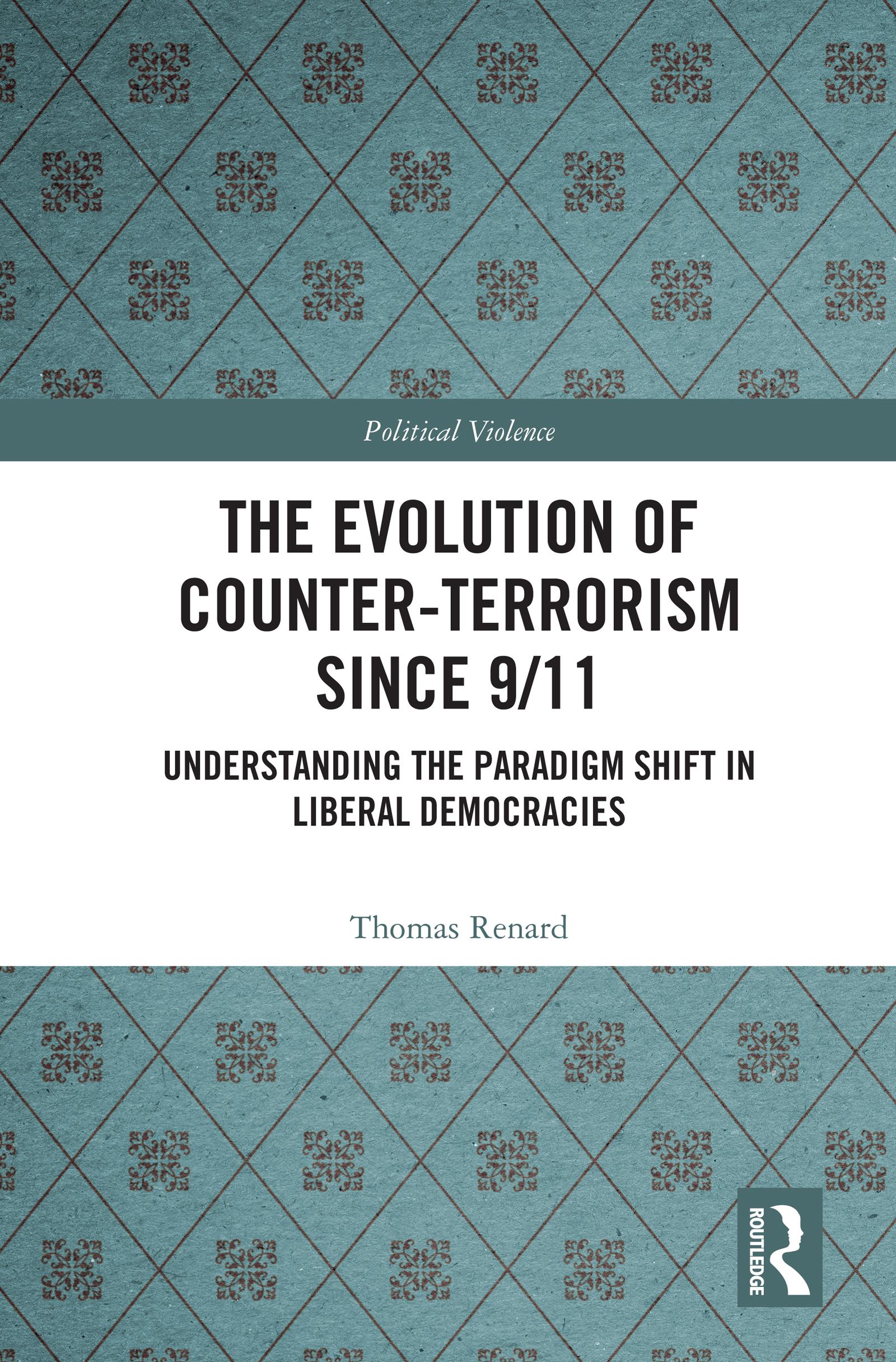
This book examines the evolution of counter-terrorism (CT) policies in liberal democracies since 2001, with a specific focus on the case of Belgium.
What is counter-terrorism (CT)? While the answer to this question may seem self-evident, it has become quite complicated to define the contours of a field that has expanded dramatically in the two decades since the 9/11 attacks. The development of "softer" policies, dealing with the prevention of radicalisation, has blurred the limits of CT.
Through the use of public policy theory and an in-depth case study on Belgium, the book identifies the key factors influencing CT policy-making, both domestically and internationally, and offers an explanation for the development of a more comprehensive CT agenda across Europe. It provides an innovative theoretical approach and is also based on extensive interviews with key counter-terrorism officials and analysis of key policy documents. The book concludes by identifying some key drivers of change and offers an embryonic theory of CT policy-making.
The book will be of much interest to students and practitioners of counter-terrorism, radicalisation, European politics and security studies.
Maksa helposti kortilla, Klarnalla, Apple Paylla tai Google Paylla. Etkö ole tyytyväinen? Sinulla on aina 14 päivän palautusoikeus. Lue lisää ehdoistamme. Jos sinulla on kysyttävää, lähetä meille sähköpostia osoitteeseen hello@memmo.org.
Memmo tekee opiskelusta helpompaa – missä päin maailmaa ikinä oletkin. Meillä yhdistät kurssikirjat ja fiksut opiskelutyökalut yhteen paikkaan: tiivistelmät, visat, podcastit ja muistikortit. Ja sitten Ted, opiskelukaverisi, joka vastaa kaikkeen, mitä ikinä mietitkin. Yli 50 000 opiskelijaa opiskelee jo täällä – rakennettu auttamaan sinua oppimaan nopeammin ja stressaamaan vähemmän.