
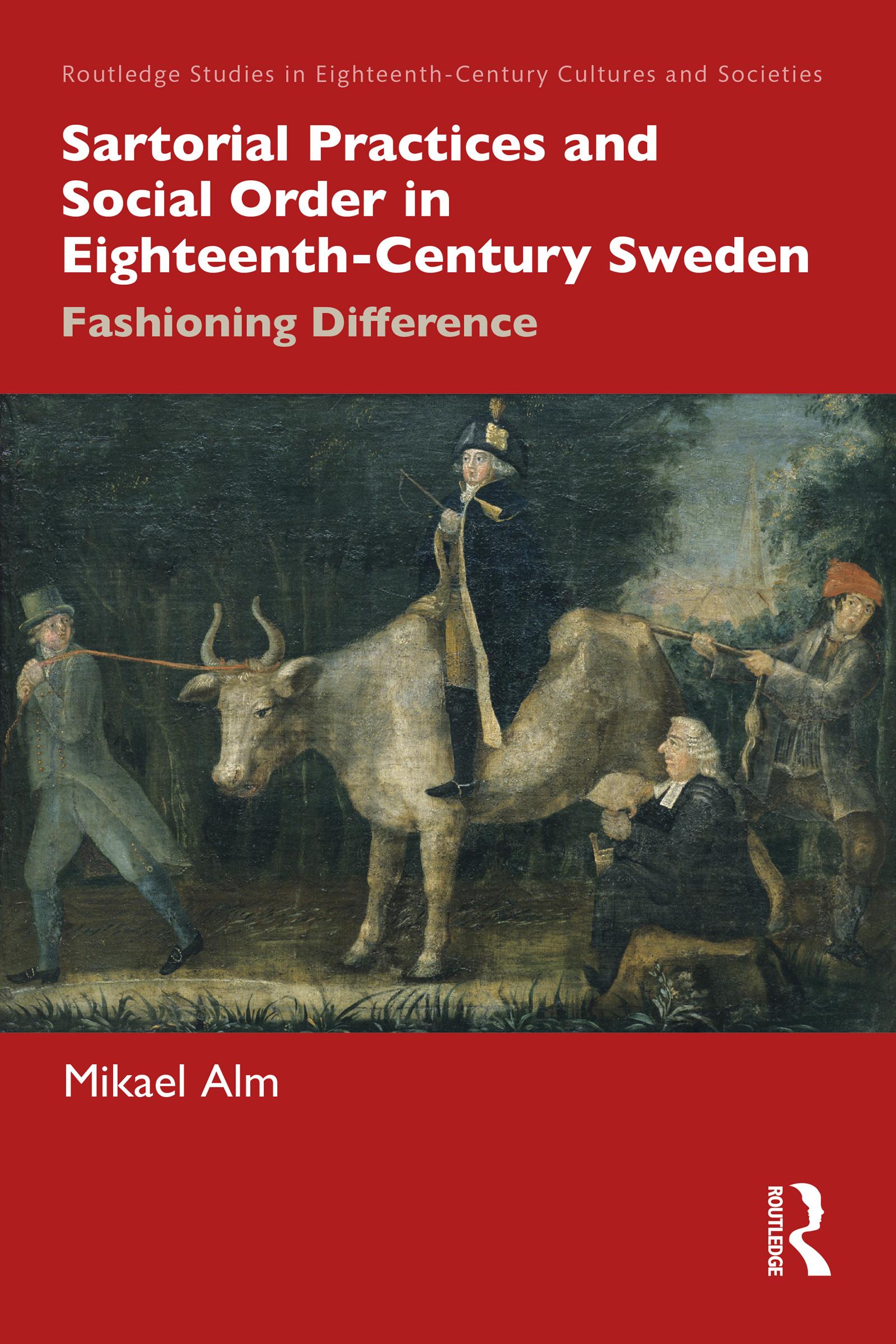
The interplay between clothes and social order in early modern societies is well known. Differences in dress and hierarchies of appearances coincided with and structured social hierarchies and notions of difference. However, clothes did not merely reproduce set social patterns. They were agents of change, actively used by individuals and groups to make claims and transgress formal boundaries. This was not least the case for the revolutionary decades of the late eighteenth century, the period in focus of this book. Unlike previous studies on sumptuary laws and other legal actions taken by governments and formal power holders, this book offers a broader and more everyday perspective on late eighteenth-century sartorial discourse. In 1773, there was a publicly announced prize competition on the advantages and disadvantages of a national dress in Sweden. Departing from the submitted replies, the study opens a window onto the sartorial world. Several fields of cultural history are brought together: social culture in terms of order, hierarchies, and notions of difference; sartorial culture with contemporary views on dress and moral aspects of sartorial practices; and visual culture in terms of sartorial means of making a difference and the emphasis on the necessity of a legible social order.
Maksa helposti kortilla, Klarnalla, Apple Paylla tai Google Paylla. Etkö ole tyytyväinen? Sinulla on aina 14 päivän palautusoikeus. Lue lisää ehdoistamme. Jos sinulla on kysyttävää, lähetä meille sähköpostia osoitteeseen hello@memmo.org.
Memmo tekee opiskelusta helpompaa – missä päin maailmaa ikinä oletkin. Meillä yhdistät kurssikirjat ja fiksut opiskelutyökalut yhteen paikkaan: tiivistelmät, visat, podcastit ja muistikortit. Ja sitten Ted, opiskelukaverisi, joka vastaa kaikkeen, mitä ikinä mietitkin. Yli 50 000 opiskelijaa opiskelee jo täällä – rakennettu auttamaan sinua oppimaan nopeammin ja stressaamaan vähemmän.