
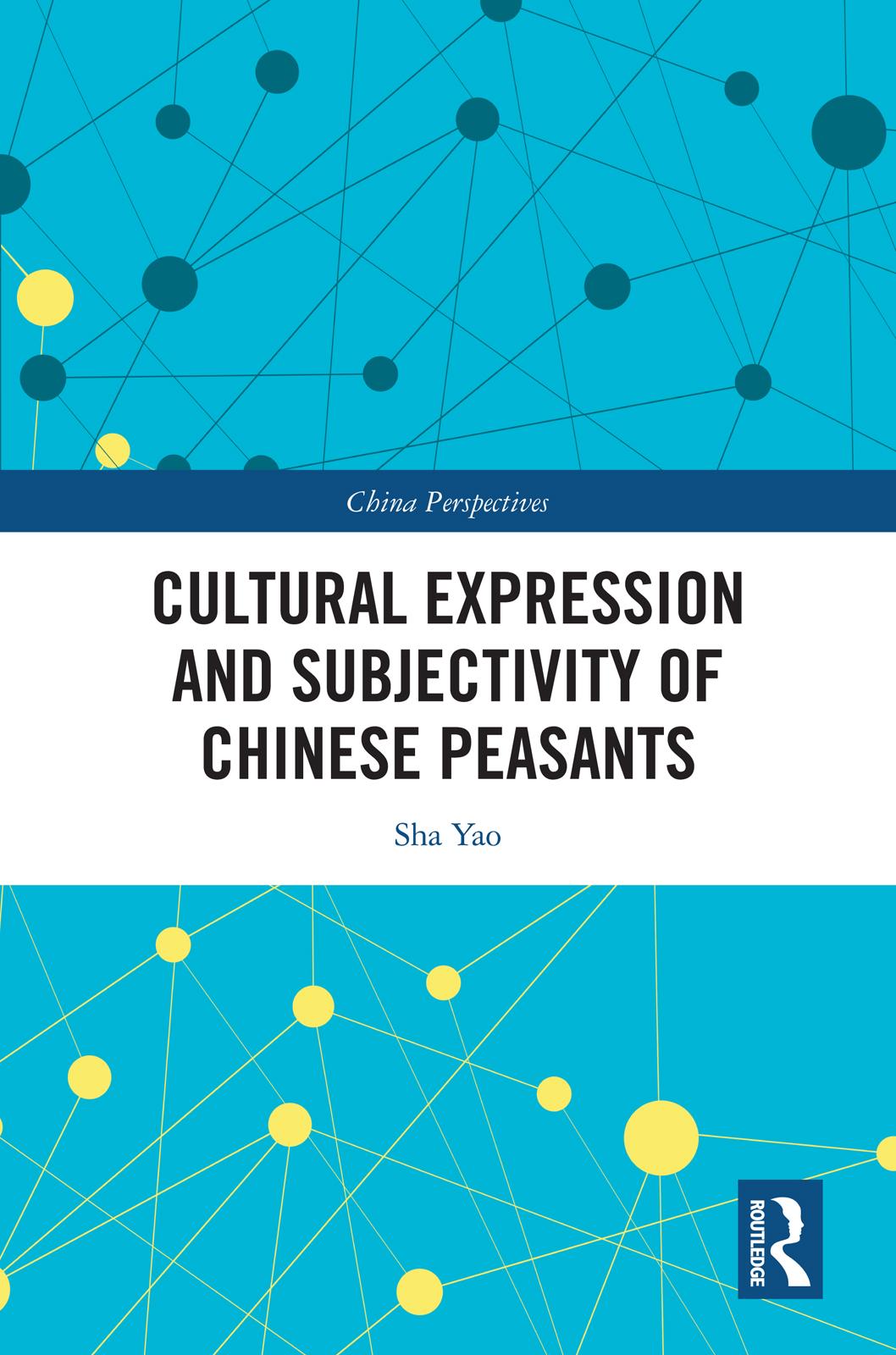
As the famous sociologist Fei Xiaotong argued, “the real life of most Chinese can only be seen in the villages.” Peasants not only comprise a significant part of the Chinese population but represent a distinctive culture and one that is expressed in its own particular way. This makes for an important area of study for scholars in communication studies.
This volume investigates how Chinese peasants express their culture and adapt to social change. The author’s research consists of participant observation and interviews of shadow puppetry artists in Guanzhong, China, illustrating how peasant artists have adapted to the historical and social changes since the founding of the People’s Republic of China. He discovers that Chinese peasants integrate urban popular culture with their own aesthetic criteria, even if the mainstream discourse of the Chinese community overlooks the subjectivity of peasants. He goes on to put forwards a creative analytical framework for the studies of the dynamics of “subject-time-space.”
Scholars and students of anthropology, sociology, and communication studies, especially rural communication studies, will find this an ideal case study.
Maksa helposti kortilla, Klarnalla, Apple Paylla tai Google Paylla. Etkö ole tyytyväinen? Sinulla on aina 14 päivän palautusoikeus. Lue lisää ehdoistamme. Jos sinulla on kysyttävää, lähetä meille sähköpostia osoitteeseen hello@memmo.org.
Memmo tekee opiskelusta helpompaa – missä päin maailmaa ikinä oletkin. Meillä yhdistät kurssikirjat ja fiksut opiskelutyökalut yhteen paikkaan: tiivistelmät, visat, podcastit ja muistikortit. Ja sitten Ted, opiskelukaverisi, joka vastaa kaikkeen, mitä ikinä mietitkin. Yli 50 000 opiskelijaa opiskelee jo täällä – rakennettu auttamaan sinua oppimaan nopeammin ja stressaamaan vähemmän.