
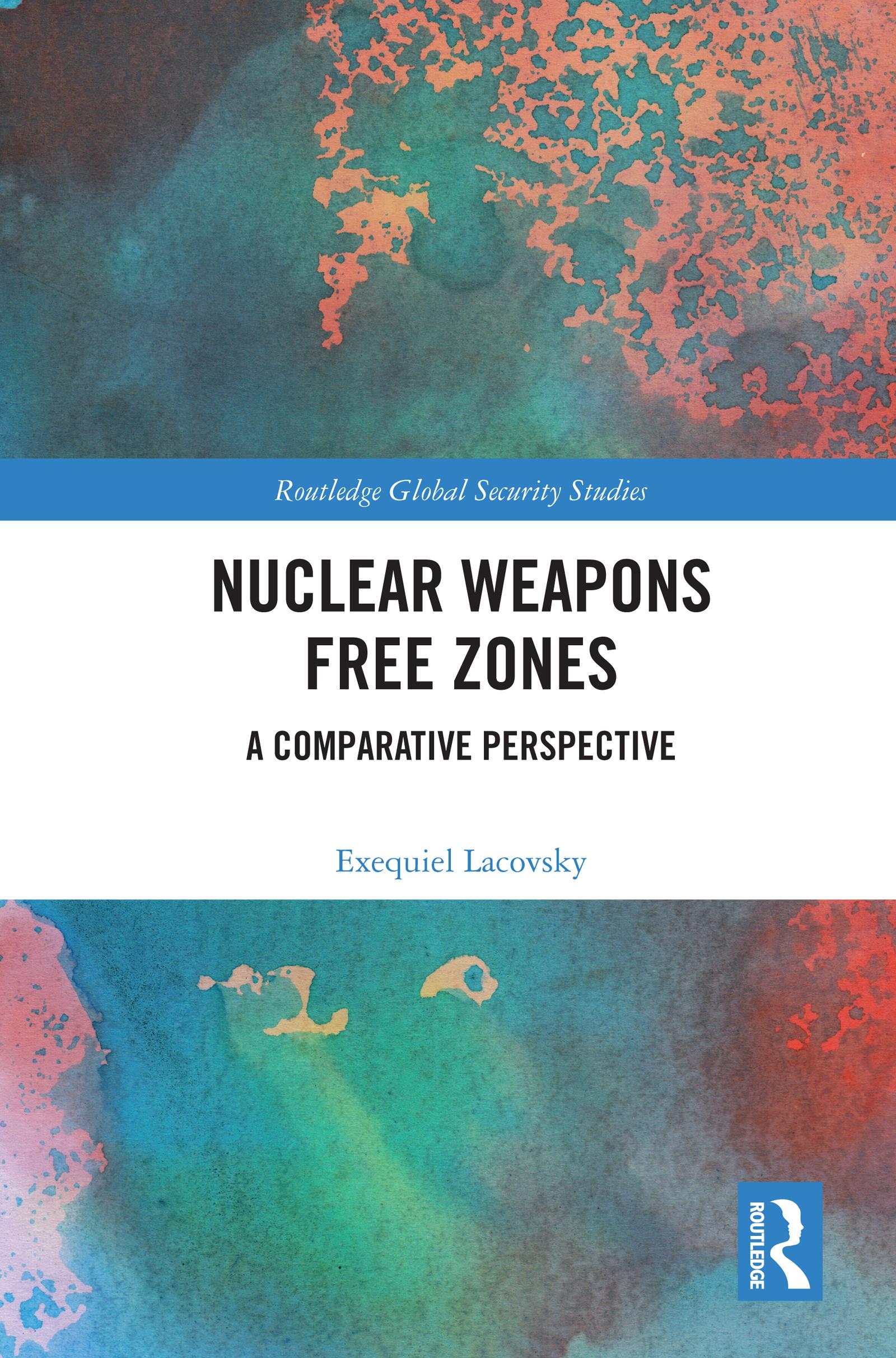
This book explores the conditions under which Nuclear Weapons Free Zones (NWFZs) can be established.
It analyzes four hypotheses that explain the factors contributing to the formation of NWFZs, building upon realist, constructivist and liberal theories from international relations. Through structured focused comparison, the book presents and compares the emergence of NWFZs in Latin America, the South Pacific, Southeast Asia, Africa, Central Asia, and the Middle East, which is a prospect for a NWFZ. The book argues that NWFZ projects depend on the following conditions: the security interest of regional states in avoiding nuclear threats, preexisting regional institutions and regional economic cooperation, leadership by a core of regional powers and shared interest in spreading non-proliferation norms. Democracy is not a necessary condition, but democratization can help overcome barriers presented by hesitant or opposed regional governments. As too many of the mentioned necessary conditions are lacking in the Middle East, a NWFZ project, thus, will be possible only after major political changes.
This book will be of much interest to students of nuclear proliferation, arms control, security studies and International Relations.
Maksa helposti kortilla, Klarnalla, Apple Paylla tai Google Paylla. Etkö ole tyytyväinen? Sinulla on aina 14 päivän palautusoikeus. Lue lisää ehdoistamme. Jos sinulla on kysyttävää, lähetä meille sähköpostia osoitteeseen hello@memmo.org.
Memmo tekee opiskelusta helpompaa – missä päin maailmaa ikinä oletkin. Meillä yhdistät kurssikirjat ja fiksut opiskelutyökalut yhteen paikkaan: tiivistelmät, visat, podcastit ja muistikortit. Ja sitten Ted, opiskelukaverisi, joka vastaa kaikkeen, mitä ikinä mietitkin. Yli 50 000 opiskelijaa opiskelee jo täällä – rakennettu auttamaan sinua oppimaan nopeammin ja stressaamaan vähemmän.