
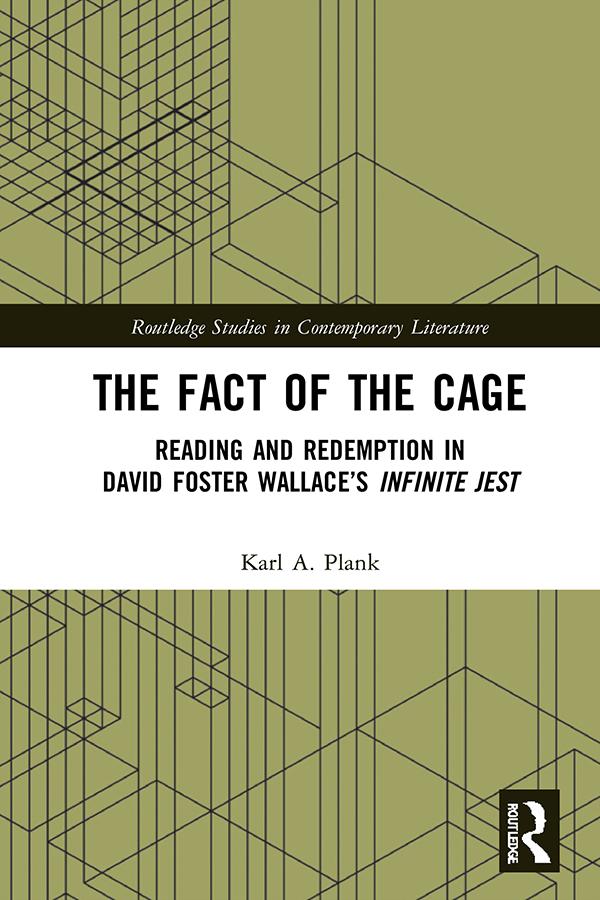
David Foster Wallace’s Infinite Jest raised expectations of what a novel might do. As he understood fiction to aim at what it means to be human, so he hoped his work might relieve the loneliness of human suffering. In that light, The Fact of the Cage shows how Wallace’s masterpiece dramatizes the condition of encagement and how it comes to be met by "Abiding" and through inter-relational acts of speaking and hearing, touching, and facing. Revealing Wallace’s theology of a "boneless Christ," The Fact of the Cage wagers that reading such a novel as Infinite Jest makes available to readers the redemption glimpsed in its pages, that reading fiction has ethical and religious significance—in short, that reading Infinite Jest makes one better. As such, Plank’s work takes steps to defend the ethics of fiction, the vital relation between religion and literature, and why one just might read at all.
Maksa helposti kortilla, Klarnalla, Apple Paylla tai Google Paylla. Etkö ole tyytyväinen? Sinulla on aina 14 päivän palautusoikeus. Lue lisää ehdoistamme. Jos sinulla on kysyttävää, lähetä meille sähköpostia osoitteeseen hello@memmo.org.
Memmo tekee opiskelusta helpompaa – missä päin maailmaa ikinä oletkin. Meillä yhdistät kurssikirjat ja fiksut opiskelutyökalut yhteen paikkaan: tiivistelmät, visat, podcastit ja muistikortit. Ja sitten Ted, opiskelukaverisi, joka vastaa kaikkeen, mitä ikinä mietitkin. Yli 50 000 opiskelijaa opiskelee jo täällä – rakennettu auttamaan sinua oppimaan nopeammin ja stressaamaan vähemmän.