
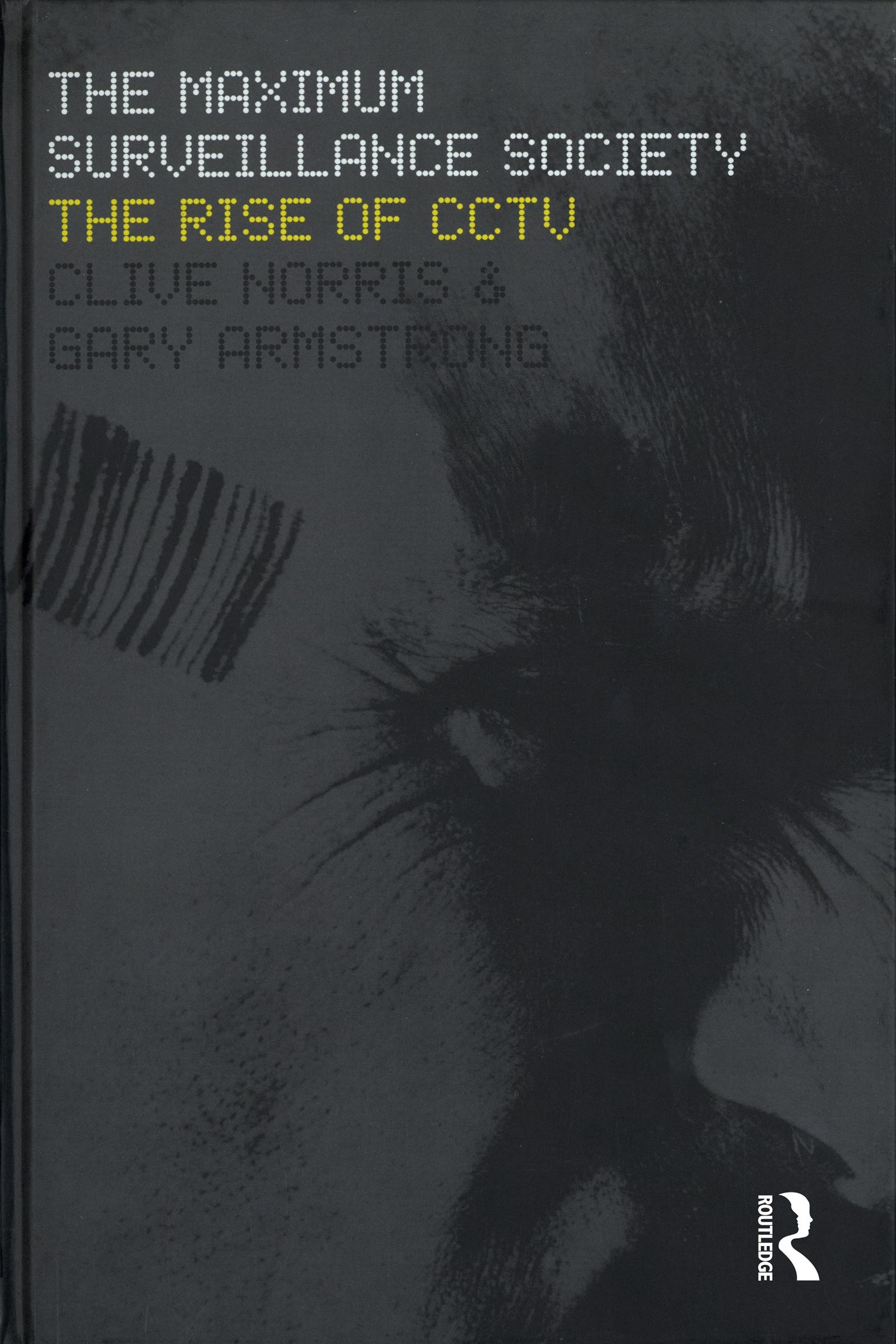
The use of Closed-Circuit Television, or CCTV, has dramatically increased over the past decade, but its presence is often so subtle as to go unnoticed. Should we unthinkingly accept that increased surveillance is in the public's best interests, or does this mean that ‘Big Brother' is finally watching us? This book asks provocative questions about the rise of the maximum surveillance society. Is crime control the principal motivation behind increased surveillance or are the reasons more complex? Does surveillance violate peoples' right of privacy? Who gets surveilled and why? What are its implications for social control? Does surveillance actually reduce crime? What will developments in technology mean for the future of surveillance? What rights do individuals under surveillance have? How is the information gathered through CCTV used by the authorities?Based on extensive fieldwork on automated surveillance in Britain over a two-year period, this book not only attempts to answer these vexing questions, but also provides a wealth of detailed information about the reasoning behind and effects of social control.
Maksa helposti kortilla, Klarnalla, Apple Paylla tai Google Paylla. Etkö ole tyytyväinen? Sinulla on aina 14 päivän palautusoikeus. Lue lisää ehdoistamme. Jos sinulla on kysyttävää, lähetä meille sähköpostia osoitteeseen hello@memmo.org.
Memmo tekee opiskelusta helpompaa – missä päin maailmaa ikinä oletkin. Meillä yhdistät kurssikirjat ja fiksut opiskelutyökalut yhteen paikkaan: tiivistelmät, visat, podcastit ja muistikortit. Ja sitten Ted, opiskelukaverisi, joka vastaa kaikkeen, mitä ikinä mietitkin. Yli 50 000 opiskelijaa opiskelee jo täällä – rakennettu auttamaan sinua oppimaan nopeammin ja stressaamaan vähemmän.
Saatat pitää myös näistä
Osta kirja0