
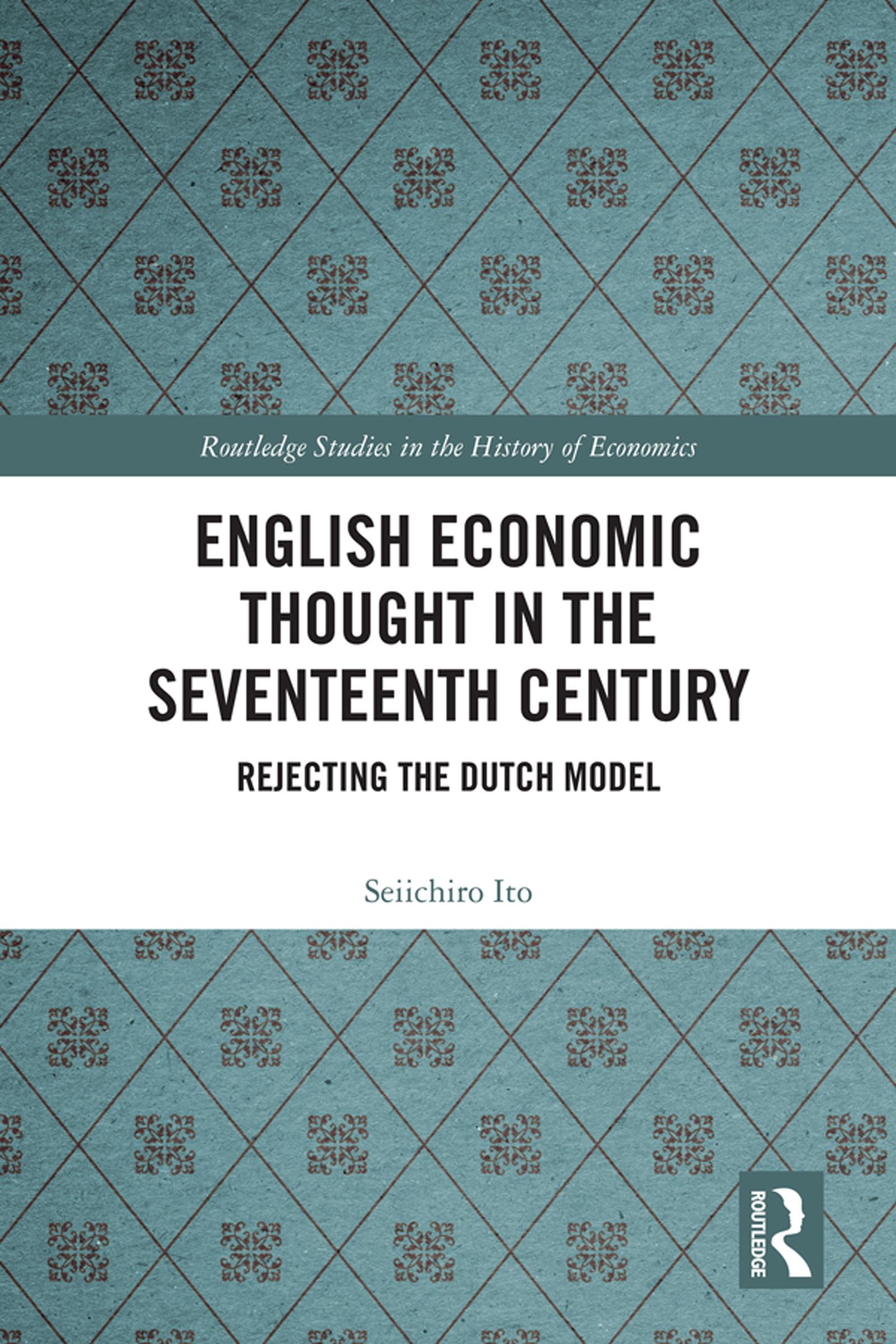
In the seventeenth century, England saw Holland as an economic power to learn from and compete with. English Economic Thought in the Seventeenth Century: Rejecting the Dutch Model analyses English economic discourse during this period, and explores the ways in which England’s economy was shaped by the example of its Dutch rival.
Drawing on an impressive range of primary and secondary sources, the chapters explore four key areas of controversy in order to illuminate the development of English economic thought at this time. These areas include: the herring industry; the setting of interest rates; banking and funds; and land registration and credit. The links between each of these debates are highlighted, and attention is also given to the broader issues of international trade, social reform and credit.
This book is of strong interest to advanced students and researchers of the history of economic thought, economic history and intellectual history.
Maksa helposti kortilla, Klarnalla, Apple Paylla tai Google Paylla. Etkö ole tyytyväinen? Sinulla on aina 14 päivän palautusoikeus. Lue lisää ehdoistamme. Jos sinulla on kysyttävää, lähetä meille sähköpostia osoitteeseen hello@memmo.org.
Memmo tekee opiskelusta helpompaa – missä päin maailmaa ikinä oletkin. Meillä yhdistät kurssikirjat ja fiksut opiskelutyökalut yhteen paikkaan: tiivistelmät, visat, podcastit ja muistikortit. Ja sitten Ted, opiskelukaverisi, joka vastaa kaikkeen, mitä ikinä mietitkin. Yli 50 000 opiskelijaa opiskelee jo täällä – rakennettu auttamaan sinua oppimaan nopeammin ja stressaamaan vähemmän.