
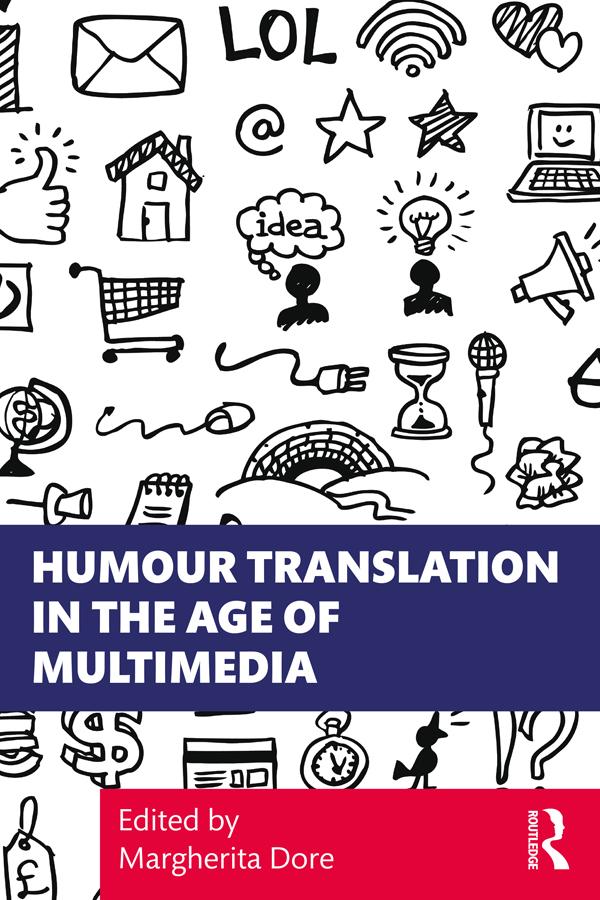
This volume seeks to investigate how humour translation has developed since the beginning of the 21st century, focusing in particular on new ways of communication. The authors, drawn from a range of countries, cultures and academic traditions, address and debate how today’s globalised communication, media and new technologies are influencing and shaping the translation of humour.
Examining both how humour translation exploits new means of communication and how the processes of humour translation may be challenged and enhanced by technologies, the chapters cover theoretical foundations and implications, and methodological practices and challenges. They include a description of current research or practice, and comments on possible future developments. The contributions interconnect around the issue of humour creation and translation in the 21st century, which can truly be labelled as the age of multimedia.
Accessible and engaging, this is essential reading for advanced students and researchers in Translation Studies and Humour Studies.
Maksa helposti kortilla, Klarnalla, Apple Paylla tai Google Paylla. Etkö ole tyytyväinen? Sinulla on aina 14 päivän palautusoikeus. Lue lisää ehdoistamme. Jos sinulla on kysyttävää, lähetä meille sähköpostia osoitteeseen hello@memmo.org.
Memmo tekee opiskelusta helpompaa – missä päin maailmaa ikinä oletkin. Meillä yhdistät kurssikirjat ja fiksut opiskelutyökalut yhteen paikkaan: tiivistelmät, visat, podcastit ja muistikortit. Ja sitten Ted, opiskelukaverisi, joka vastaa kaikkeen, mitä ikinä mietitkin. Yli 50 000 opiskelijaa opiskelee jo täällä – rakennettu auttamaan sinua oppimaan nopeammin ja stressaamaan vähemmän.