
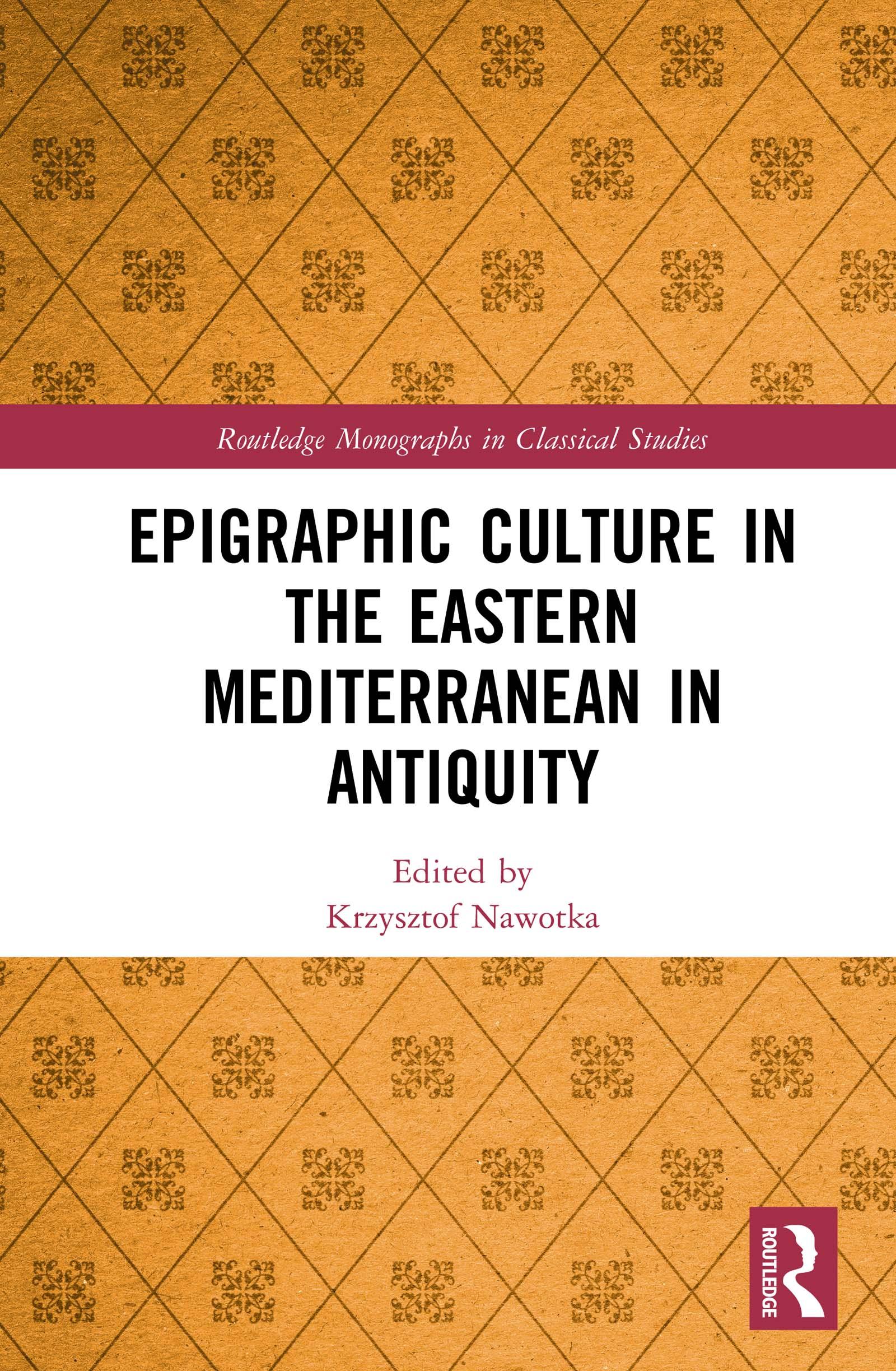
This book investigates the epigraphic habit of the Eastern Mediterranean in antiquity, from the inception of alphabetic writing to the seventh c. CE, aiming to identify whether there was one universal epigraphic culture in this area or a number of discrete epigraphic cultures.
Chapters examine epigraphic culture(s) through quantitative analysis of 32,062 inscriptions sampled from ten areas in the Eastern Mediterranean, from the Black Sea coast to Greece, western to central Asia Minor, Phoenicia to Egypt. They show that the shapes of the epigraphic curves are due to different factors occurring in different geographical areas and in various epochs, including the pre-Greek epigraphic habit, the moment of urbanization and Hellenization, and the organized Roman presence. Two epigraphic maxima are identified in the Eastern Mediterranean: in the third c. BCE and in the second c. CE. This book differs from previous studies of ancient epigraphic culture by taking into account all categories of inscriptions, not just epitaphs, and in investigating a much broader area over the broadly defined classical antiquity.
This volume is a valuable resource for anyone working on ancient epigraphy, history or the cultures of the Eastern Mediterranean.
Maksa helposti kortilla, Klarnalla, Apple Paylla tai Google Paylla. Etkö ole tyytyväinen? Sinulla on aina 14 päivän palautusoikeus. Lue lisää ehdoistamme. Jos sinulla on kysyttävää, lähetä meille sähköpostia osoitteeseen hello@memmo.org.
Memmo tekee opiskelusta helpompaa – missä päin maailmaa ikinä oletkin. Meillä yhdistät kurssikirjat ja fiksut opiskelutyökalut yhteen paikkaan: tiivistelmät, visat, podcastit ja muistikortit. Ja sitten Ted, opiskelukaverisi, joka vastaa kaikkeen, mitä ikinä mietitkin. Yli 50 000 opiskelijaa opiskelee jo täällä – rakennettu auttamaan sinua oppimaan nopeammin ja stressaamaan vähemmän.