
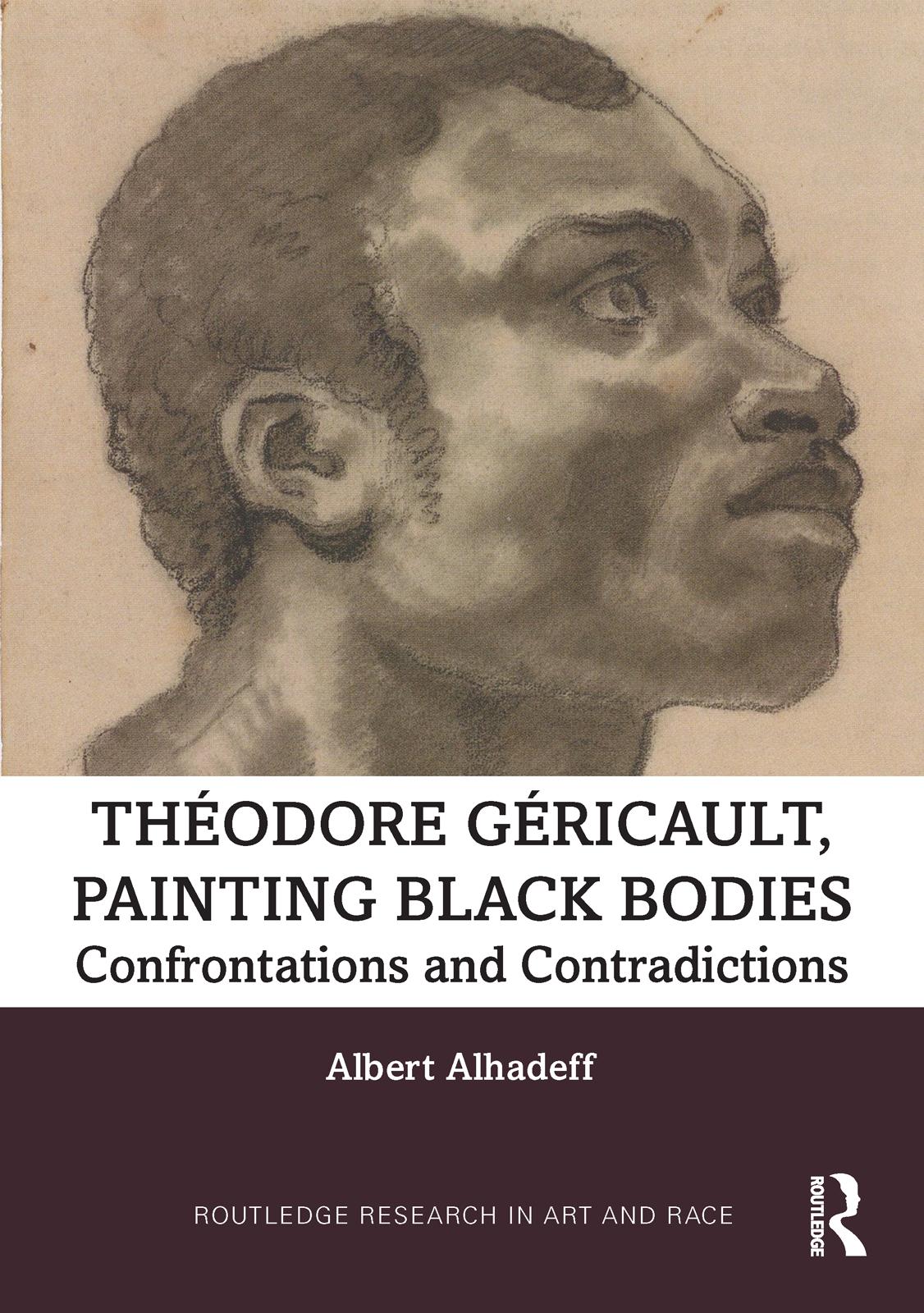
This book examines Théodore Géricault’s images of black men, women and children who suffered slavery’s trans-Atlantic passage in the late eighteenth and early nineteenth centuries, including his 1819 painting The Raft of the Medusa.
The book focuses on Géricault’s depiction of black people, his approach towards slavery, and the voices that advanced or denigrated them. By turning to documents, essays and critiques, both before and after Waterloo (1815), and, most importantly, Géricault’s own oeuvre, this study explores the fetters of slavery that Gericault challenged—alongside a growing number of abolitionists—overtly or covertly.
This book will be of interest to scholars in art history, race and ethnic studies and students of modernism.
Maksa helposti kortilla, Klarnalla, Apple Paylla tai Google Paylla. Etkö ole tyytyväinen? Sinulla on aina 14 päivän palautusoikeus. Lue lisää ehdoistamme. Jos sinulla on kysyttävää, lähetä meille sähköpostia osoitteeseen hello@memmo.org.
Memmo tekee opiskelusta helpompaa – missä päin maailmaa ikinä oletkin. Meillä yhdistät kurssikirjat ja fiksut opiskelutyökalut yhteen paikkaan: tiivistelmät, visat, podcastit ja muistikortit. Ja sitten Ted, opiskelukaverisi, joka vastaa kaikkeen, mitä ikinä mietitkin. Yli 50 000 opiskelijaa opiskelee jo täällä – rakennettu auttamaan sinua oppimaan nopeammin ja stressaamaan vähemmän.