
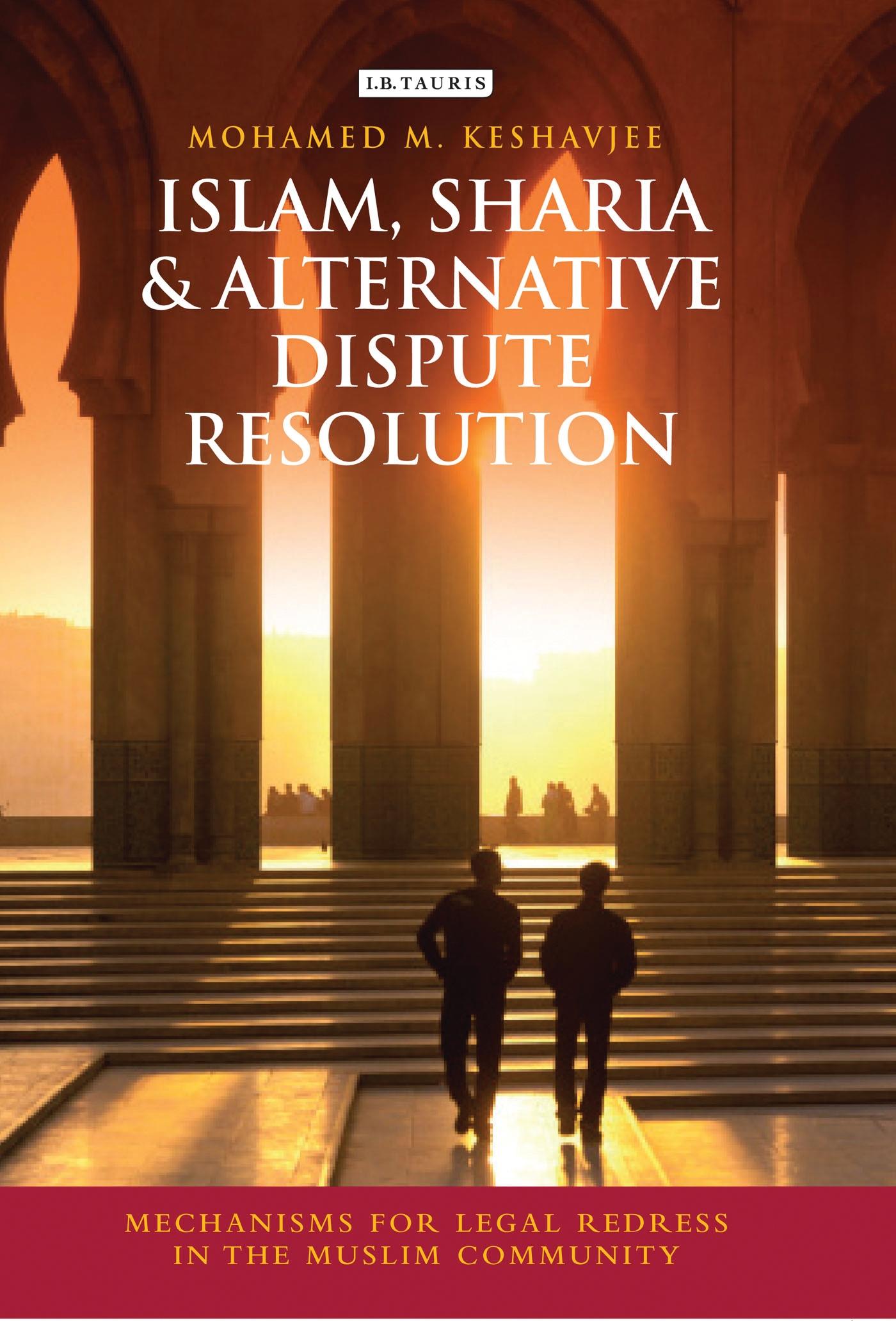
The meanings and contexts of Shari'a are the subject of both curiosity and misunderstanding by non-Muslims. Shari'a is sometimes crudely characterised by outsiders as a punitive legal system operating broadly outside, and separate from, national laws and customs. This groundbreaking book shows that Shari'a and its 'fiqh' (laws set forward by various Islamic legal schools) comprise a far more nuanced matrix of interpretations than is often assumed to be the case. Far from being monolithic or impervious to change from without, Muslim legal tradition has - since its beginnings in the early Islamic period - placed an emphasis on equity and non-adversarial conflict-resolution. Mohamed Keshavjee examines both Sunni and Shi'a applications of Islamic law, demonstrating how political, cultural and other factors have influenced the practice of fiqh and Shari'a in the West. Exploring in particular the modern development of Alternative Dispute Resolution (ADR), the author shows that this process can revitalise some of the essential principles that underlie Muslim teachings and jurispudence, delivering not only formal remedies but also perceived justice, even to non-Muslims.
Maksa helposti kortilla, Klarnalla, Apple Paylla tai Google Paylla. Etkö ole tyytyväinen? Sinulla on aina 14 päivän palautusoikeus. Lue lisää ehdoistamme. Jos sinulla on kysyttävää, lähetä meille sähköpostia osoitteeseen hello@memmo.org.
Memmo tekee opiskelusta helpompaa – missä päin maailmaa ikinä oletkin. Meillä yhdistät kurssikirjat ja fiksut opiskelutyökalut yhteen paikkaan: tiivistelmät, visat, podcastit ja muistikortit. Ja sitten Ted, opiskelukaverisi, joka vastaa kaikkeen, mitä ikinä mietitkin. Yli 50 000 opiskelijaa opiskelee jo täällä – rakennettu auttamaan sinua oppimaan nopeammin ja stressaamaan vähemmän.