
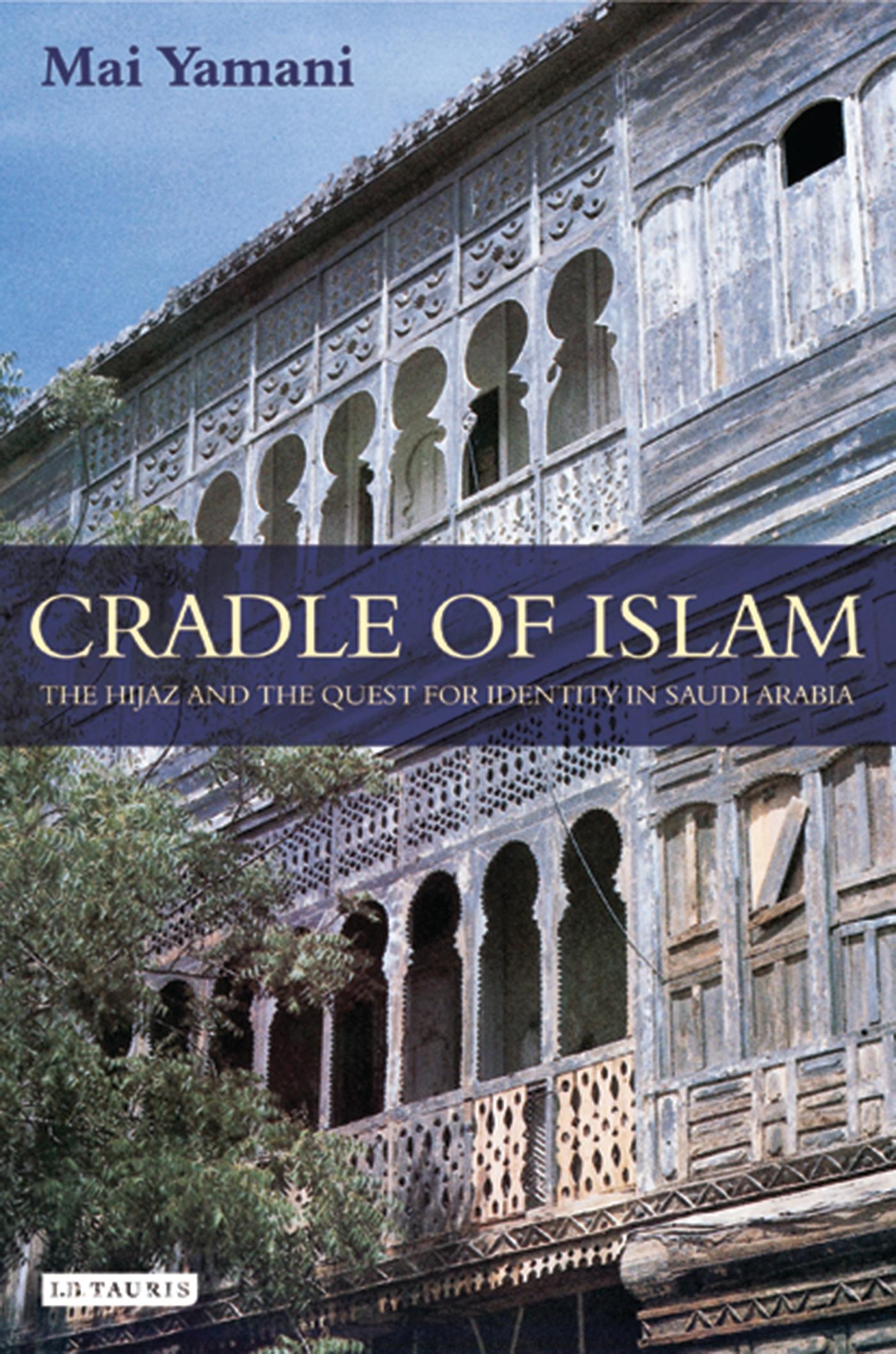
Is Saudi Arabia really a homogeneous Wahhabi dominated state? In 1932 the Al Saud family incorporated the kingdom of Hijaz, once the cultural hub of the Arabian world, in to the kingdom of Saudi Arabia. The urban, cosmopolitan Hijazis were absorbed in to a new state whose codes of behavior and rules were determined by the Najdis, an ascetic desert people, from whom the Al Saud family came. But the Saudi rulers failed to fully integrate the Hijaz, which retains a distinctive identity to this day. In "Cradle of Islam", the product of years spent in Mecca, Medina, Jeddah and Taif, Mai Yamani traces the fortunes of the distinctive and resilient culture of the Hijazis, from the golden age of Hashemite Mecca to Saudi domination to its current resurgence. The Hijazis today emphasise their regional heritage in religious ritual, food, dress and language as a response to the 'Najdification' of everyday life. The Hijazi experience shows the vitality of cultural diversity in the face of political repression in the Arab world.
Maksa helposti kortilla, Klarnalla, Apple Paylla tai Google Paylla. Etkö ole tyytyväinen? Sinulla on aina 14 päivän palautusoikeus. Lue lisää ehdoistamme. Jos sinulla on kysyttävää, lähetä meille sähköpostia osoitteeseen hello@memmo.org.
Memmo tekee opiskelusta helpompaa – missä päin maailmaa ikinä oletkin. Meillä yhdistät kurssikirjat ja fiksut opiskelutyökalut yhteen paikkaan: tiivistelmät, visat, podcastit ja muistikortit. Ja sitten Ted, opiskelukaverisi, joka vastaa kaikkeen, mitä ikinä mietitkin. Yli 50 000 opiskelijaa opiskelee jo täällä – rakennettu auttamaan sinua oppimaan nopeammin ja stressaamaan vähemmän.