
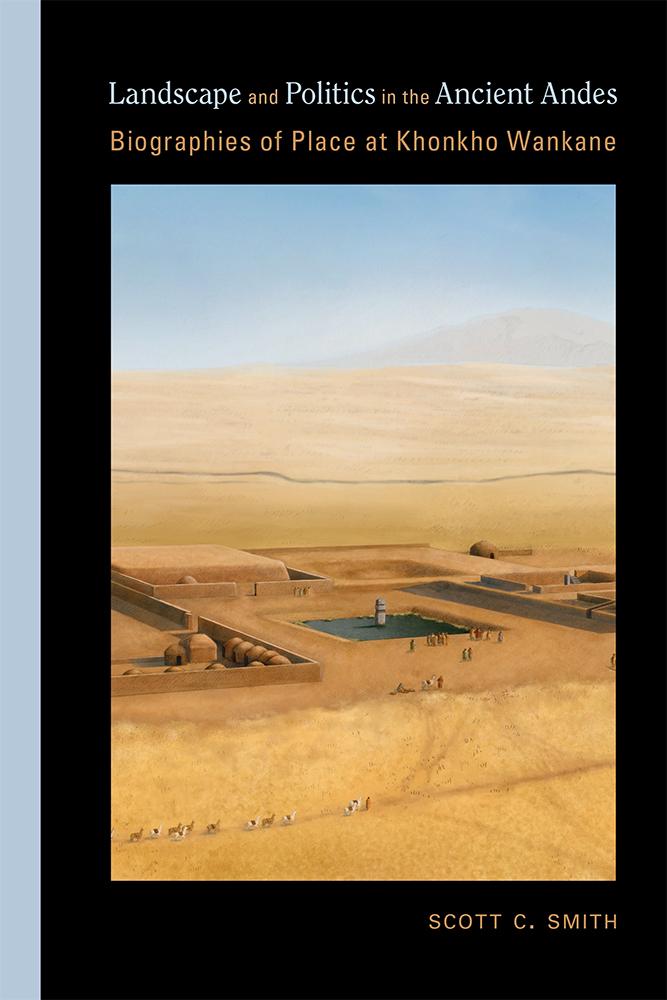
This book is a study of the ways places are created and how they attain meaning. Smith presents archaeological data from Khonkho Wankane in the southern Lake Titicaca basin of Bolivia to explore how landscapes were imagined and constructed during processes of political centralization in this region. In particular he examines landscapes of movement and the development of powerful political and religious centers during the Late Formative period (200 BC–AD 500), just before the emergence of the urban state centered at Tiwanaku (AD 500–1100).
Late Formative politico-religious centers, Smith notes, were characterized by mobile populations of agropastoralists and caravan drovers. By exploring ritual practice at Late Formative settlements, Smith provides a new way of looking at political centralization, incipient urbanism, and state formation at Tiwanaku.
Maksa helposti kortilla, Klarnalla, Apple Paylla tai Google Paylla. Etkö ole tyytyväinen? Sinulla on aina 14 päivän palautusoikeus. Lue lisää ehdoistamme. Jos sinulla on kysyttävää, lähetä meille sähköpostia osoitteeseen hello@memmo.org.
Memmo tekee opiskelusta helpompaa – missä päin maailmaa ikinä oletkin. Meillä yhdistät kurssikirjat ja fiksut opiskelutyökalut yhteen paikkaan: tiivistelmät, visat, podcastit ja muistikortit. Ja sitten Ted, opiskelukaverisi, joka vastaa kaikkeen, mitä ikinä mietitkin. Yli 50 000 opiskelijaa opiskelee jo täällä – rakennettu auttamaan sinua oppimaan nopeammin ja stressaamaan vähemmän.