
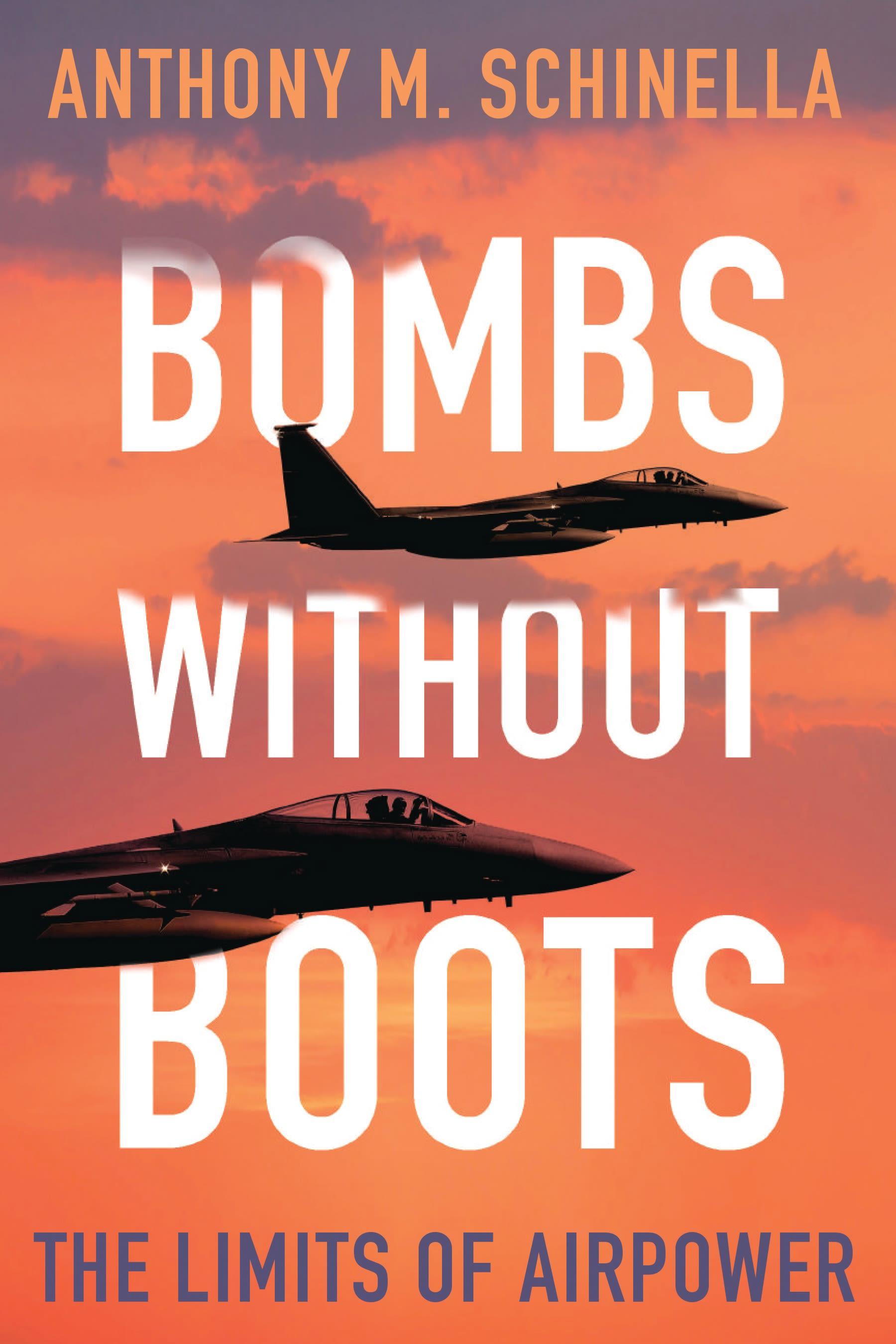
Airpower can achieve military objectives—sometimes, in some circumstances
It sounds simple: using airpower to intervene militarily in conflicts, thus minimizing the deaths of soldiers and civilians while achieving both tactical and strategic objectives. In reality, airpower alone sometimes does win battles, but the costs can be high and the long-term consequences may fall short of what decision-makers had in mind.
This book by a long-time U.S. intelligence analyst assesses the military operations and post-conflict outcomes in five cases since the mid-1990s in which the United States and/or its allies used airpower to “solve” military problems: Bosnia in 1995, Kosovo in 1999, Afghanistan in 2001, Lebanon in 2006, and Libya in 2011. In each of these cases, airpower helped achieve the immediate objective, but the long-term outcomes often diverged significantly from the original intent of policymakers. The author concludes that airpower sometimes can be effective when used to support indigenous ground forces, but decision-makers should carefully consider all the circumstances before sending planes, drones, or missiles aloft.
Maksa helposti kortilla, Klarnalla, Apple Paylla tai Google Paylla. Etkö ole tyytyväinen? Sinulla on aina 14 päivän palautusoikeus. Lue lisää ehdoistamme. Jos sinulla on kysyttävää, lähetä meille sähköpostia osoitteeseen hello@memmo.org.
Memmo tekee opiskelusta helpompaa – missä päin maailmaa ikinä oletkin. Meillä yhdistät kurssikirjat ja fiksut opiskelutyökalut yhteen paikkaan: tiivistelmät, visat, podcastit ja muistikortit. Ja sitten Ted, opiskelukaverisi, joka vastaa kaikkeen, mitä ikinä mietitkin. Yli 50 000 opiskelijaa opiskelee jo täällä – rakennettu auttamaan sinua oppimaan nopeammin ja stressaamaan vähemmän.