
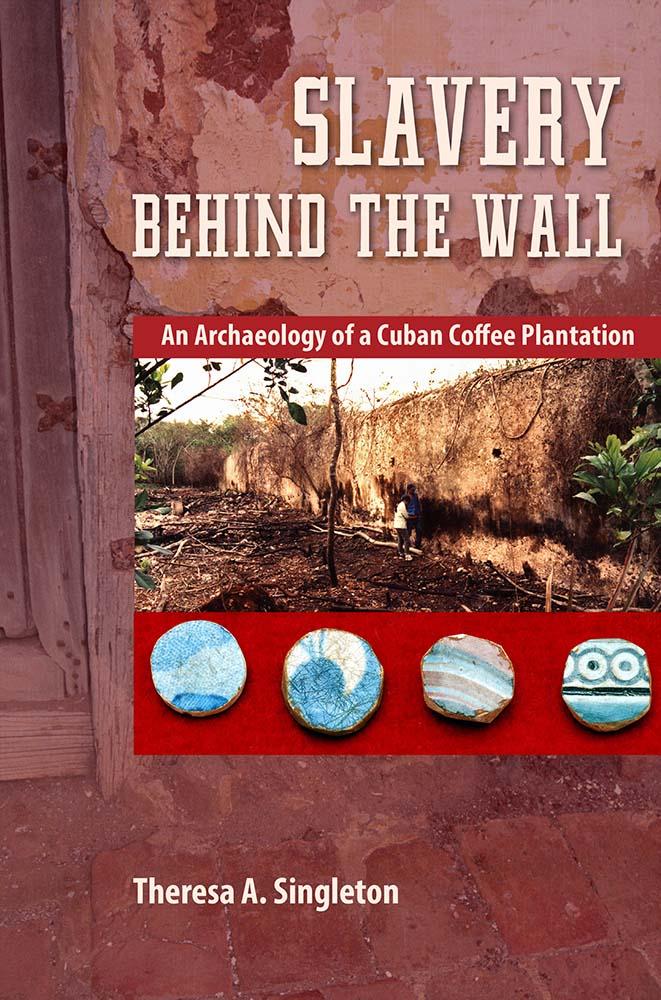
Cuba had the largest slave society of the Spanish colonial empire. At Santa Ana de Biajacas the plantation owner sequestered slaves behind a massive masonry wall. In the first archaeological investigation of a Cuban plantation by an English speaker, Theresa Singleton explores how elite Cuban planters used the built environment to impose a hierarchical social order upon slave laborers. Behind the wall, slaves reclaimed the space as their own, forming communities, building their own houses, celebrating, gambling, and even harboring slave runaways. What emerged there is not just an identity distinct from other North American and Caribbean plantations, but a unique slave culture that thrived despite a spartan lifestyle.
Singleton's study provides insight into the larger historical context of the African diaspora, global patterns of enslavement, and the development of Cuba as an integral member of the larger Atlantic World.
Maksa helposti kortilla, Klarnalla, Apple Paylla tai Google Paylla. Etkö ole tyytyväinen? Sinulla on aina 14 päivän palautusoikeus. Lue lisää ehdoistamme. Jos sinulla on kysyttävää, lähetä meille sähköpostia osoitteeseen hello@memmo.org.
Memmo tekee opiskelusta helpompaa – missä päin maailmaa ikinä oletkin. Meillä yhdistät kurssikirjat ja fiksut opiskelutyökalut yhteen paikkaan: tiivistelmät, visat, podcastit ja muistikortit. Ja sitten Ted, opiskelukaverisi, joka vastaa kaikkeen, mitä ikinä mietitkin. Yli 50 000 opiskelijaa opiskelee jo täällä – rakennettu auttamaan sinua oppimaan nopeammin ja stressaamaan vähemmän.