
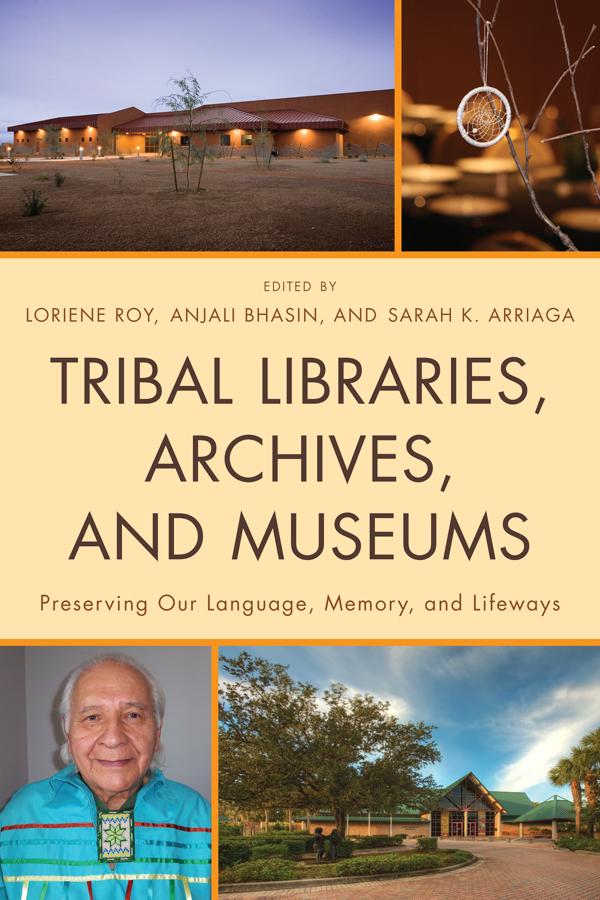
Hundreds of tribal libraries, archives, and other information centers offer the services patrons would expect from any library: circulation of materials, collection of singular items (such as oral histories), and public services (such as summer reading programs). What is unique in these settings is the commitment to tribal protocols and expressions of tribal lifeways—from their footprints on the land to their architecture and interior design, institutional names, signage, and special services, such as native language promotion.
This book offers a collection of articles devoted to tribal libraries and archives and provides an opportunity for tribal librarians to share their stories, challenges, achievements, and aspirations with the larger professional community. Part one introduces the tribal community library, providing context and case studies for libraries in California, Alaska, Oklahoma, Hawai'i, and in other countries. The role of tribal libraries and archives in native language recovery and revitalization is also addressed in this section. Part two features service functions of tribal information centers, addressing the library facility, selection, organization, instruction, and programming/outreach. Part three includes a discussion of the types of records that tribes might collect, legal issues, and snapshot descriptions of noteworthy archival collections. The final part covers strategic planning, advice on working in the unique environments of tribal communities, advocacy and marketing, continuing education plans for library staff, and time management tips that are useful for anyone working in a small library setting.
This book offers a collection of articles devoted to tribal libraries and archives and provides an opportunity for tribal librarians to share their stories, challenges, achievements, and aspirations with the larger professional community. Part one introduces the tribal community library, providing context and case studies for libraries in California, Alaska, Oklahoma, Hawai'i, and in other countries. The role of tribal libraries and archives in native language recovery and revitalization is also addressed in this section. Part two features service functions of tribal information centers, addressing the library facility, selection, organization, instruction, and programming/outreach. Part three includes a discussion of the types of records that tribes might collect, legal issues, and snapshot descriptions of noteworthy archival collections. The final part covers strategic planning, advice on working in the unique environments of tribal communities, advocacy and marketing, continuing education plans for library staff, and time management tips that are useful for anyone working in a small library setting.
Sivuja: 268
Kategoria: Kultur-, Genus- & Postkoloniala studier
e-ISBN: 9780810881952
Lähetyspaino: 1.2 kg
Toimitusaika: 1-2 päivää
Maksa helposti kortilla, Klarnalla, Apple Paylla tai Google Paylla. Etkö ole tyytyväinen? Sinulla on aina 14 päivän palautusoikeus. Lue lisää ehdoistamme. Jos sinulla on kysyttävää, lähetä meille sähköpostia osoitteeseen hello@memmo.org.
Memmo tekee opiskelusta helpompaa – missä päin maailmaa ikinä oletkin. Meillä yhdistät kurssikirjat ja fiksut opiskelutyökalut yhteen paikkaan: tiivistelmät, visat, podcastit ja muistikortit. Ja sitten Ted, opiskelukaverisi, joka vastaa kaikkeen, mitä ikinä mietitkin. Yli 50 000 opiskelijaa opiskelee jo täällä – rakennettu auttamaan sinua oppimaan nopeammin ja stressaamaan vähemmän.