
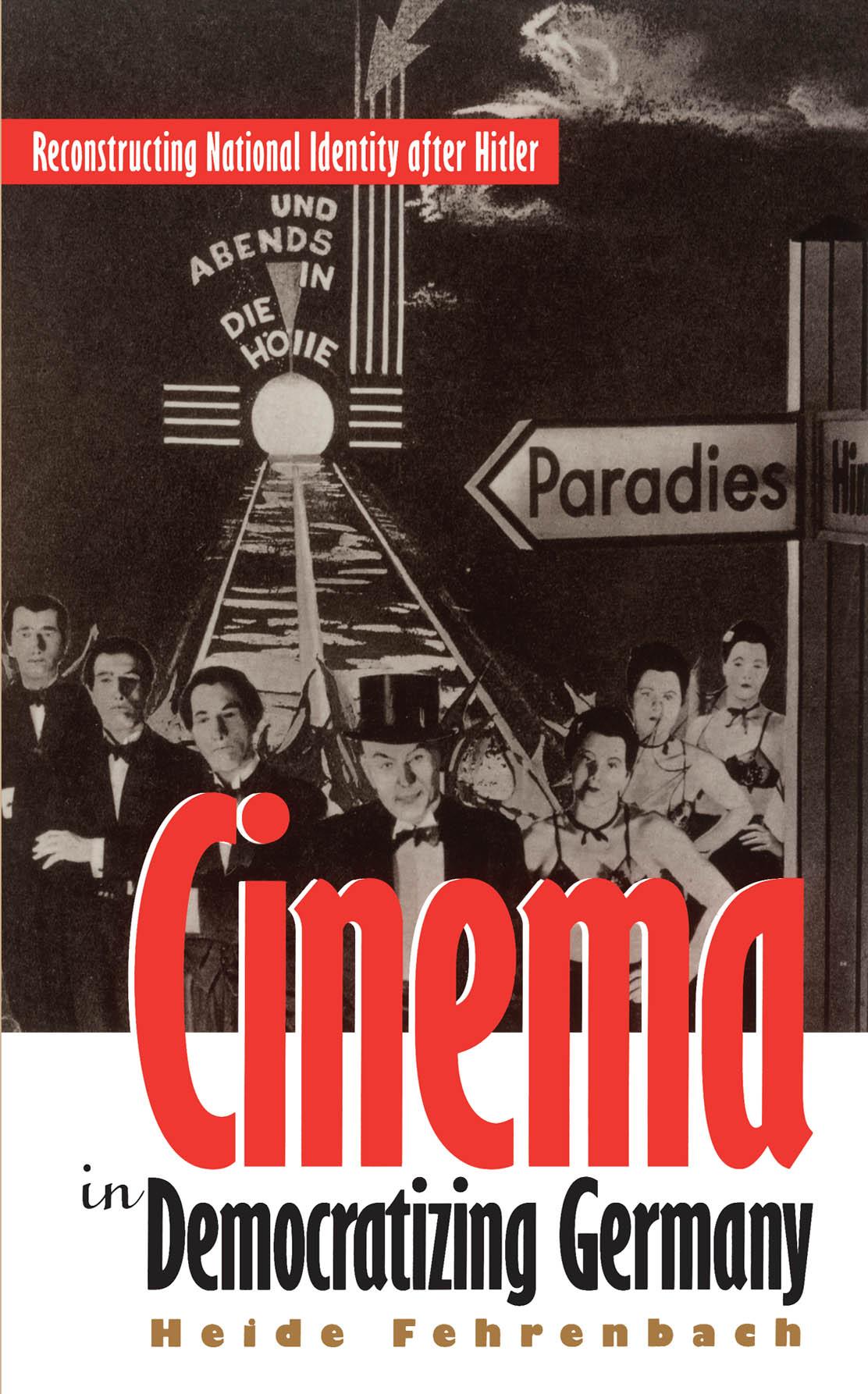
Heide Fehrenbach analyzes the important role cinema played in the reconstruction of German cultural and political identity between 1945 and 1962. Concentrating on the former West Germany, she explores the complex political uses of film — and the meanings attributed to film representation and spectatorship — during a period of abrupt transition to democracy. According to Fehrenbach, the process of national redefinition made cinema and cinematic control a focus of heated ideological debate. Moving beyond a narrow political examination of Allied-German negotiations, she investigates the broader social nexus of popular moviegoing, public demonstrations, film clubs, and municipal festivals. She also draws on work in gender and film studies to probe the ways filmmakers, students, church leaders, local politicians, and the general public articulated national identity in relation to the challenges posed by military occupation, American commercial culture, and redefined gender roles. Thus highlighting the links between national identity and cultural practice, this book provides a richer picture of what German reconstruction entailed for both women and men.
Maksa helposti kortilla, Klarnalla, Apple Paylla tai Google Paylla. Etkö ole tyytyväinen? Sinulla on aina 14 päivän palautusoikeus. Lue lisää ehdoistamme. Jos sinulla on kysyttävää, lähetä meille sähköpostia osoitteeseen hello@memmo.org.
Memmo tekee opiskelusta helpompaa – missä päin maailmaa ikinä oletkin. Meillä yhdistät kurssikirjat ja fiksut opiskelutyökalut yhteen paikkaan: tiivistelmät, visat, podcastit ja muistikortit. Ja sitten Ted, opiskelukaverisi, joka vastaa kaikkeen, mitä ikinä mietitkin. Yli 50 000 opiskelijaa opiskelee jo täällä – rakennettu auttamaan sinua oppimaan nopeammin ja stressaamaan vähemmän.
Saatat pitää myös näistä
Osta kirja0