
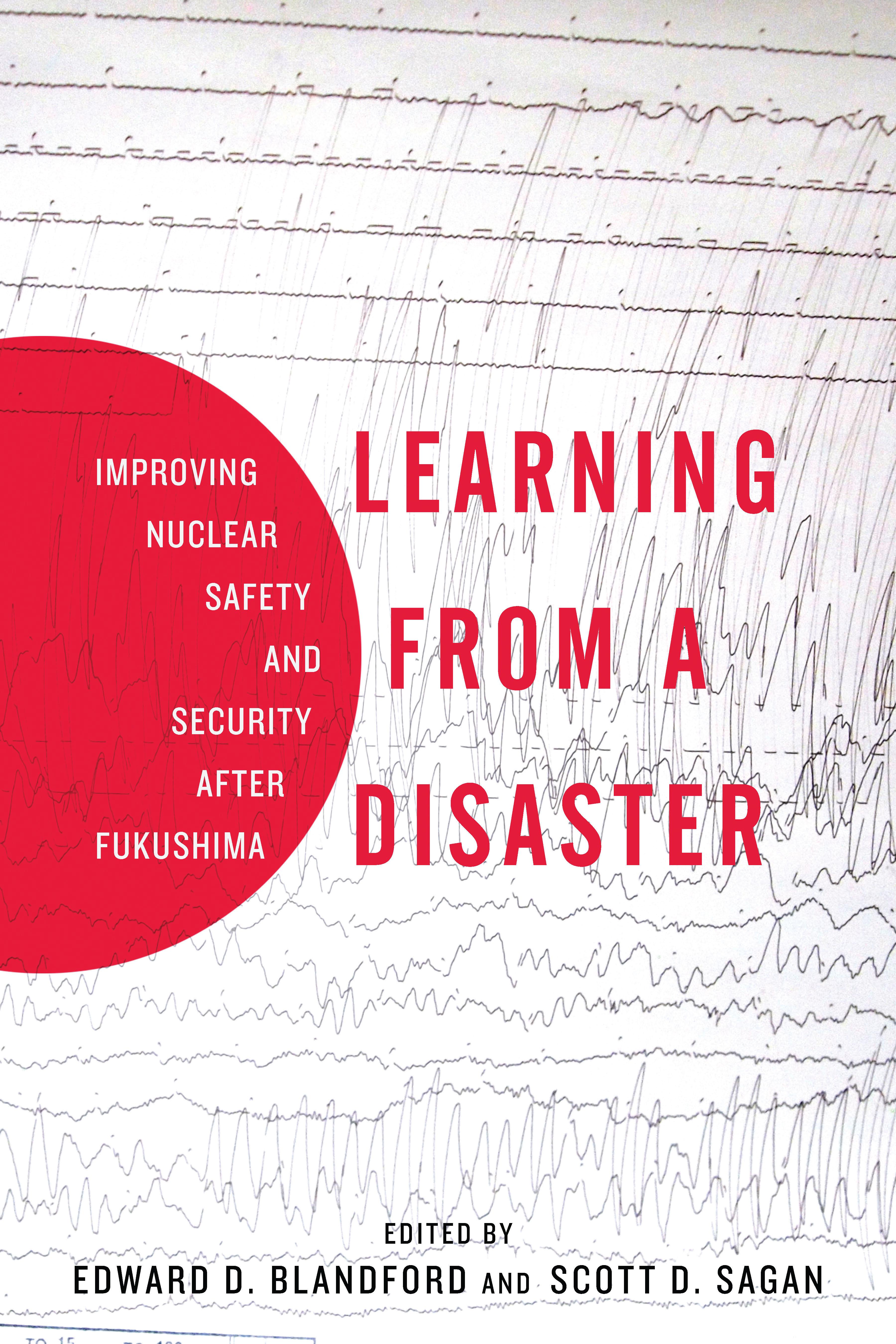
This book—the culmination of a truly collaborative international and highly interdisciplinary effort—brings together Japanese and American political scientists, nuclear engineers, historians, and physicists to examine the Fukushima accident from a new and broad perspective.
It explains the complex interactions between nuclear safety risks (the causes and consequences of accidents) and nuclear security risks (the causes and consequences of sabotage or terrorist attacks), exposing the possible vulnerabilities all countries may have if they fail to learn from this accident.
The book further analyzes the lessons of Fukushima in comparative perspective, focusing on the politics of safety and emergency preparedness. It first compares the different policies and procedures adopted by various nuclear facilities in Japan and then discusses the lessons learned—and not learned—after major nuclear accidents and incidents in other countries in the past. The book's editors conclude that learning lessons across nations has proven to be very difficult, and they propose new policies to improve global learning after nuclear accidents or attacks.
Maksa helposti kortilla, Klarnalla, Apple Paylla tai Google Paylla. Etkö ole tyytyväinen? Sinulla on aina 14 päivän palautusoikeus. Lue lisää ehdoistamme. Jos sinulla on kysyttävää, lähetä meille sähköpostia osoitteeseen hello@memmo.org.
Memmo tekee opiskelusta helpompaa – missä päin maailmaa ikinä oletkin. Meillä yhdistät kurssikirjat ja fiksut opiskelutyökalut yhteen paikkaan: tiivistelmät, visat, podcastit ja muistikortit. Ja sitten Ted, opiskelukaverisi, joka vastaa kaikkeen, mitä ikinä mietitkin. Yli 50 000 opiskelijaa opiskelee jo täällä – rakennettu auttamaan sinua oppimaan nopeammin ja stressaamaan vähemmän.