
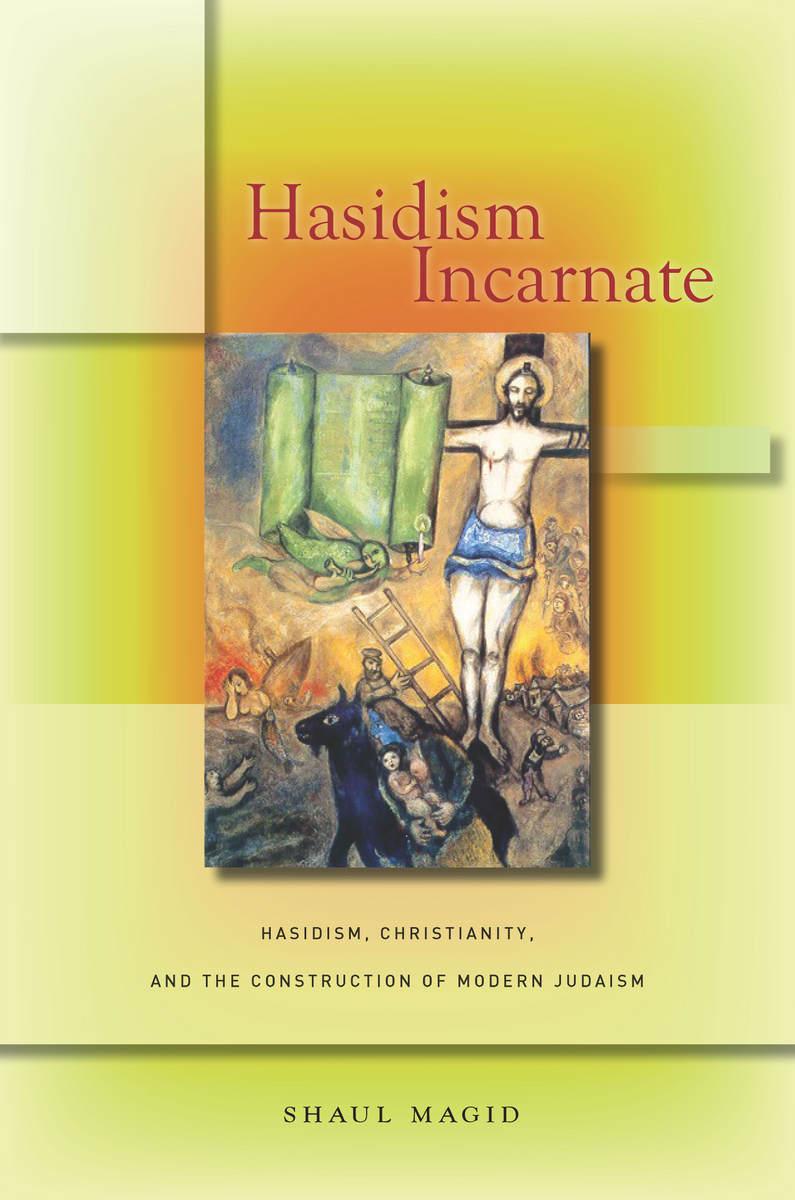
Hasidism Incarnate contends that much of modern Judaism in the West developed in reaction to Christianity and in defense of Judaism as a unique tradition. Ironically enough, this occurred even as modern Judaism increasingly dovetailed with Christianity with regard to its ethos, aesthetics, and attitude toward ritual and faith. Shaul Magid argues that the Hasidic movement in Eastern Europe constitutes an alternative "modernity," one that opens a new window on Jewish theological history. Unlike Judaism in German lands, Hasidism did not develop under a "Christian gaze" and had no need to be apologetic of its positions. Unburdened by an apologetic agenda (at least toward Christianity), it offered a particular reading of medieval Jewish Kabbalah filtered through a focus on the charismatic leader that resulted in a religious worldview that has much in common with Christianity. It is not that Hasidic masters knew about Christianity; rather, the basic tenets of Christianity remained present, albeit often in veiled form, in much kabbalistic teaching that Hasidism took up in its portrayal of the charismatic figure of the zaddik, whom it often described in supernatural terms.
Maksa helposti kortilla, Klarnalla, Apple Paylla tai Google Paylla. Etkö ole tyytyväinen? Sinulla on aina 14 päivän palautusoikeus. Lue lisää ehdoistamme. Jos sinulla on kysyttävää, lähetä meille sähköpostia osoitteeseen hello@memmo.org.
Memmo tekee opiskelusta helpompaa – missä päin maailmaa ikinä oletkin. Meillä yhdistät kurssikirjat ja fiksut opiskelutyökalut yhteen paikkaan: tiivistelmät, visat, podcastit ja muistikortit. Ja sitten Ted, opiskelukaverisi, joka vastaa kaikkeen, mitä ikinä mietitkin. Yli 50 000 opiskelijaa opiskelee jo täällä – rakennettu auttamaan sinua oppimaan nopeammin ja stressaamaan vähemmän.