
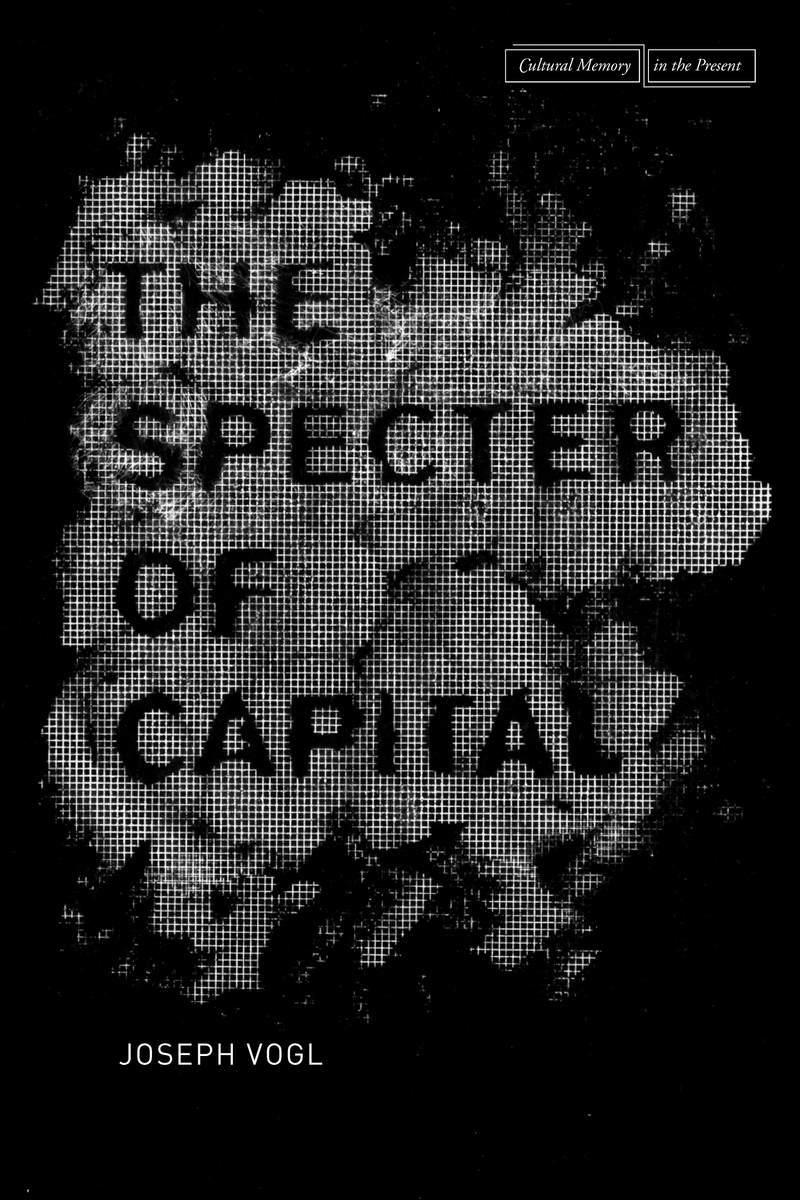
In his brilliant interdisciplinary analysis of the global financial crisis, Joseph Vogl aims to demystify finance capitalism—with its bewildering array of new instruments—by tracing the historical stages through which the financial market achieved its current autonomy. Classical and neoclassical economic theorists have played a decisive role here. Ignoring early warnings about the instability of speculative finance markets, they have persisted in their belief in the inherent equilibrium of the market, describing even major crises as mere aberrations or adjustments and rationalizing dubious financial practices that escalate risk while seeking to manage it.
"The market knows best": this is a secular version of Adam Smith's faith in the market's "invisible hand," his economic interpretation of eighteenth-century providentialist theodicy, which subsequently hardened into an "oikodicy," an unquestioning belief in the self-regulating beneficence of market forces. Vogl shows that financial theory, assisted by mathematical modeling and digital technology, itself operates as a "hidden hand," pushing economic reality into unknown territory. He challenges economic theorists to move beyond the neoclassical paradigm to discern the true contours of the current epoch of financial convulsions.
Maksa helposti kortilla, Klarnalla, Apple Paylla tai Google Paylla. Etkö ole tyytyväinen? Sinulla on aina 14 päivän palautusoikeus. Lue lisää ehdoistamme. Jos sinulla on kysyttävää, lähetä meille sähköpostia osoitteeseen hello@memmo.org.
Memmo tekee opiskelusta helpompaa – missä päin maailmaa ikinä oletkin. Meillä yhdistät kurssikirjat ja fiksut opiskelutyökalut yhteen paikkaan: tiivistelmät, visat, podcastit ja muistikortit. Ja sitten Ted, opiskelukaverisi, joka vastaa kaikkeen, mitä ikinä mietitkin. Yli 50 000 opiskelijaa opiskelee jo täällä – rakennettu auttamaan sinua oppimaan nopeammin ja stressaamaan vähemmän.